


Understanding the Problem
Deer have invaded gardeners' landscapes like never before. An estimated 30 million or more deer now roam North America, several times the population of just a few decades ago. The reason is straightforward: fewer predators, more suburban sprawl into deer habitat, and gardens full of ornamental and edible plants that are far tastier than native browse.
The problem isn't new to rural gardeners, but it's increasingly affecting suburban and even urban properties. Deer are adaptable animals, losing their fear of human presence and learning that yards and gardens are safe foraging grounds. In many regions, does are now producing twins and triplets regularly, adding to an already booming population. Meanwhile, residential development has eliminated large blocks of habitat, further concentrating deer pressure on the remaining food sources: your plants.
Knowing Your Deer
Two species cause the most trouble. In the East and Midwest, the whitetail deer is the primary culprit. In western regions, mule deer cause the bulk of garden damage. Both are browsers, meaning they nibble shrubs and ornamental plants rather than graze grass. Though often cute to spot from a distance, a hungry deer is relentless and persistent.
Deer follow seasonal feeding patterns driven by nutrition needs. In late winter and early spring, when natural food is scarce and new growth is emerging, deer are at their hungriest. Early-flowering shrubs and trees are especially vulnerable during this window. In fall, deer shift to high-calorie foods with nuts, seeds, and berries to build fat reserves for winter survival. Winter itself is the last-resort season, when deer will eat plants they'd normally ignore if snow and ice have eliminated better options.
Recognizing Damage
Deer damage has a distinctive signature. Look for plants with ragged, torn leaf edges where deer have stripped browse by pulling leaves and twigs between their lower teeth and upper gum (they lack upper incisors). You'll also find hoof prints in soft soil and, if you're unlucky, deer droppings nearby. Deer nibble the tops of young trees and shrubs, leaving a telltale browse line at about 5 to 6 feet high. Small saplings and young evergreens are particularly vulnerable because their tender growth is irresistible.
Young plants bear the brunt of damage. Transplants fresh from the nursery, fertilized and pampered, are like salad bars to deer. Newly emerged seedlings, tender new growth in spring, and soft fruit trees still establishing themselves all attract heavy browsing. Stressed plants are easier targets too. Trees planted in the wrong light conditions or with poor soil are weaker and more likely to be damaged than vigorous, well-sited specimens.
Prevention Strategy 1: Exclusion and Fencing
The most reliable way to stop deer is to keep them out entirely. Fencing works, but it must be the right kind and height.
A standard solid fence needs to be 8 to 10 feet tall to reliably stop deer, which are powerful jumpers. A fence that tall is a significant investment, and it may violate local zoning ordinances. Moreover, in northern areas where snow piles up, drifts can create a convenient launching pad for jumping. An 8-foot fence becomes a 6-foot fence after a heavy snow.
More creative fencing strategies can work at lower heights. A single 5-foot-high fence with additional strands of wire at 6 and 7 feet will deter many deer because they can't see over it to judge the landing distance. Even better, install a double fence system: one 5-foot fence with a second 3-foot fence 3 feet away from it. Deer hesitate when they can't clearly see the gap, often deciding to go around rather than risk a blind jump. Slanting a fence outward at the top also works by making it appear wider.
For small areas or a few prized plants, you can get by with barriers that seem too short. Invisible monofilament fish line strung across deer paths at 3 to 4 feet high can confuse deer enough to send them elsewhere. (Be careful with children and pets near this hazard.)
Electric fencing is an option for garden beds and orchards. Bait it with peanut butter so deer learn through experience that the area should be avoided. Most deer test the fence once and remember to stay away. Electrified fencing requires careful maintenance and proper safety warnings for neighbors and small pets.
For individual trees and shrubs, tree guards and protective caging work well until plants are large enough to withstand browsing. Plastic mesh tree guards wrapped around trunks protect bark and branches in winter when deer browse is most damaging. Fabric row covers draped over shrubs and small trees in early spring provide temporary but effective protection until wild food becomes abundant.
Prevention Strategy 2: Repellents
When fencing isn't practical or you're protecting scattered plants, repellents can help. Dozens of products are available, and homemade options abound, but success depends on application timing and consistency.
Commercial repellents work in two ways: they either smell bad or taste bad to deer. Putrescent egg-based products offend the deer's sense of smell. Soap-based products like ammonium fatty acid sprays work on taste. Predator urine repellents (coyote or bobcat urine) work on fear, though their effectiveness depends on whether those predators actually live in your area. A deer won't fear a coyote predator that doesn't exist locally.
Application matters more than the product itself. Spray repellents early in the season before damage starts, when you first notice deer activity. Continue spraying when plants show 6 inches of new growth. Be particularly vigilant in July and August when plants have little succulent new growth for deer to browse and nursing does are still feeding their young. Most products require reapplication every 3 to 4 weeks during the growing season and again after heavy rain. Apply when temperatures are above 40 degrees Fahrenheit and the weather is sunny and dry so the spray dries quickly.
Rotate repellent products. Deer adjust to whatever deterrent you use if you stick with it too long. Using the same product all season is less effective than alternating between types every month or so. Combine a smell-based repellent with a taste-based one in the same application, and occasionally add a motion-activated deterrent for extra impact.
For detailed information on specific commercial products, application techniques, and which options are approved for food crops, see Deer Repellents.
Homemade options include hot pepper spray mixed with water and a little insecticidal soap (test a small area first, since pepper sprays can damage some foliage), rotten egg solutions (2 to 3 eggs per gallon of water, allowed to sit covered for several days), and scent deterrents hung in the plants themselves: bars of deodorant soap hung at about 3 feet (each protects roughly a 3-foot radius; leave the wrapper on so it lasts), perfumed fabric softener sheets, or mesh bags of human hair from a local salon. Soap and hair work by creating an olfactory barrier, though effectiveness fades as rain washes them away and hair breaks down.
One repellent that pulls double duty is Milorganite, a granular slow-release fertilizer with a pungent odor deer dislike. Sprinkled around plantings at about 5 pounds per 100 square feet and refreshed every 2 to 4 weeks, it has protected plantings of tulips, hostas, and other deer favorites in university trials, and it feeds the garden while it works. It performs best in spring and summer; in winter, hungrier deer are less deterred.
Prevention Strategy 3: Scare Tactics and Deterrents
Scare devices work temporarily because they startle deer, but deer learn that these sounds and flashes aren't truly threatening. Still, they have a place in an integrated strategy.
Motion-activated sprayers release a burst of water when they detect movement, startling deer away. Ultrasonic devices emit high-frequency sounds. Sonic devices broadcast loud alarms. Even a radio left on overnight in the garden can deter deer, though neighbors may object. Aluminum pie pans and reflective tape hung from plants flash and rattle in the breeze.
If you have a dog, particularly one that can be outside at night, you may have an effective (and loyal) deer deterrent. A barking dog convinces deer that your garden isn't a safe foraging ground. Some gardeners use recorded dog sounds or coyote recordings with varying success.
The key: rotate these methods. Use the sprayer for a month, then switch to sonic deterrents, then try something else. Deer are intelligent and adaptable. They'll ignore any single scare tactic if it's consistently harmless. Mixing strategies keeps them uncertain long enough to protect your plants during critical growing seasons.
Prevention Strategy 4: Choosing Resistant Plants
No plant is completely deer-proof. In a severe winter with deep snow and scarce food, deer will eat almost anything. But abundant evidence shows that deer prefer certain plants and actively avoid others. Choosing resistant varieties for your landscape makes gardens less attractive as food sources.
Deer tend to avoid plants with fuzzy or fibrous foliage like ferns and ornamental grasses. They dislike plants with fuzzy gray or silver leaves because the texture is difficult to consume. Plants that taste lemony, minty, savory, or bitter are generally safe. Aromatic herbs like lavender, catmint, sage, thyme, and santolina are rarely browsed. Poisonous or toxic plants like daffodils, foxgloves, and lily-of-the-valley are naturally avoided.

- Catmints (Nepeta)
- Uploaded by Fleur569
Catmints like Nepeta are workhorse perennials that deer consistently avoid. They offer soft, finely cut foliage, a minty fragrance, and lavender-blue or pink flowers that bloom for months in full sun.
- Lavenders (Lavandula)
- Uploaded by lauriemorningglory
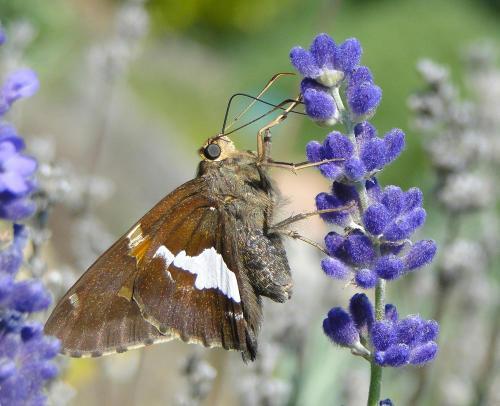
Lavender is another standby for deer-proof gardens, thriving in well-drained soil and full sun. The silvery, aromatic foliage and nectar-rich flowers also attract pollinators while repelling browsers.
- Daffodils (Narcissus)
- Uploaded by dave
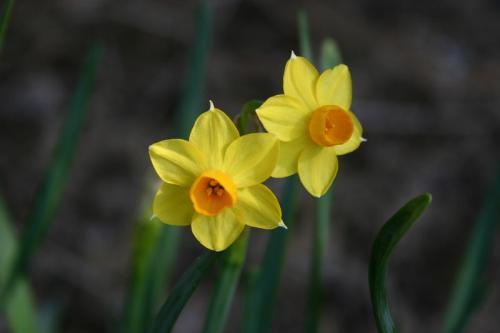
Daffodils are spring bulbs with a bitter, alkaloid compound in their tissues that deer and voles alike find unpalatable. Plant them in fall for reliable early color.
Other good choices include Russian sage (Perovskia), butterfly weed, echinacea, sedum, santolina, spruce, juniper, boxwood, wormwood, lamb's ears, borage-family plants like bugloss and lungwort, and mustard-family flowers including alyssum, candytuft, pinks, and sweet William. Some traditional evergreens are the opposite of resistant: yews, arborvitae, and hostas rank among deer's favorite foods, so site them only where they can be protected.
Regional variation matters. What's safe in the East may be heavily browsed in the West. Deer preferences change with season, local population density, and available alternatives. Contact your county extension office for a regional plant list tailored to your area and your specific species of deer.
Strategic Integration
Effective deer management combines multiple approaches rather than relying on any single method. Here's how to build a practical strategy:
Assess your situation. If your landscape is large with many scattered plantings, chemical repellents may be most cost-effective because one application covers a large area. If you have just a few prized plants or fruit trees, small barrier fences or tree guards may be the better investment. If an entire neighborhood suffers deer pressure, coordinate with neighbors to make the area unpleasant for deer. A block-wide effort to fence, repel, and replant with resistant varieties is much more effective than one household acting alone.
Plant wisely and fertilize carefully. Stressed plants are browsed more readily than vigorous specimens thriving in the right light and soil conditions. Transplants benefit from temporary protection until established. Importantly, excess fertilizer increases nitrogen in plant tissues, making foliage more tender and appetizing to deer. "Feed the soil, not the plants" through organic matter and balanced amendments rather than heavy nitrogen feeding.
Use more than one method for valuable plants. Combine a physical barrier (fence, caging, or row covers) with a repellent product and an occasional scare tactic. This redundancy keeps deer guessing and prevents them from adapting to any single method.
Switch strategies regularly. Deer quickly learn that a harmless scare tactic or unpleasant taste or smell isn't a real threat. Rotate repellent products, move scare devices around, and vary your approach seasonally. Mixing things up keeps deer from settling into your garden as a reliable food source.
Plan for seasons. Late winter and early spring demand the most vigilance. Protect valuable early-flowering shrubs and trees with tree guards or row covers. Young trees need wrapping or caging through their first few winters. In fall and winter, be aware that deer may browse plants they'd normally ignore when natural food is scarce.
Related Resources
- Deer Repellents - Repellent products and application techniques in depth
- Wildlife Pest Control - Rabbits, voles, groundhogs, and other garden wildlife
- Planting Trees and Shrubs - Getting young trees established and protected
- Winter Garden Care - Protecting plants through the harshest browsing season
- Growing Perennials - Building borders that can include deer-resistant choices
