


Match the method to the plant, keep new starts clean and evenly moist, and take extra care with toxic plants, sharp tools, and anything near natural water.
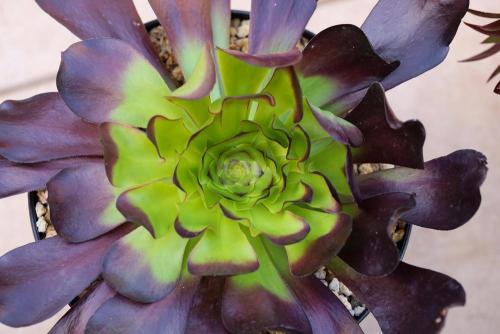
- Aeonium 'Cyclops'
- Uploaded by Baja_Costero
Making more plants is rewarding, but it is not one technique repeated for every species. A soft houseplant tip, a dormant shrub cane, a rooted offset, a hard-coated seed, and a water-garden plant each need a different start. Use healthy, correctly identified stock that you own or have permission to propagate. Do not collect plants, cuttings, divisions, or seed from the wild, and do not introduce plants into natural areas.
Should I root a cutting in water or in potting medium?
Water rooting is simple to observe and works well for some tender houseplants. Joseph's coat and many Dieffenbachia or Dracaena top cuttings can make roots in water. Change cloudy water, keep foliage out of it, and move the cutting into an airy potting mix before it becomes crowded or declines. Water-grown roots may need a gentle adjustment period after potting, so keep the mix evenly moist, not saturated, while new soil-adapted roots develop.
For many woody and tropical cuttings, begin in a clean, free-draining rooting medium instead. A soilless mix or a blend that includes coarse material holds enough moisture while allowing air around the base. Grevillea, Abutilon, Photinia, Skimmia, Chitalpa, Kerria, and cane sections of Dracaena are generally better candidates for this approach. Make a planting hole first with a clean dibber or skewer. Do not force a cutting into the mix and scrape its base.
A clear cover can slow moisture loss, but it is not a substitute for good technique. Keep it out of hot direct sun, provide bright indirect light, and ventilate it regularly. Condensation, sour-smelling mix, black tissue, or a constantly wet tray point to excess moisture and poor air exchange. Remove failing cuttings promptly and start again with clean tools and medium.
How do I take a stem or tip cutting?
Choose a vigorous, pest-free shoot with no flowers or developing fruit. Take cuttings during the cool part of the day and keep them shaded and moist until they are prepared. With a sharp, clean pruner or knife, make a cutting just below a node, the point where leaves or buds attach. Remove the lower leaves, leaving some upper foliage to support the cutting without burying leaves in the medium. Remove flower buds because they divert energy from rooting.
For a tender tip cutting such as Abutilon, use a short piece of green but sturdy growth. For Kerria, choose sturdy leafy stems that have not become woody. A Chitalpa cutting may root well when taken with a small heel of older tissue at its base. Plant the prepared base firmly but gently, then water the medium enough to settle it. It should be damp throughout, never a puddle.
Rooting hormone is optional for some plants and helpful for others. It is a pesticide product in some formulations, so use only a product labeled for the plant and propagation method, and follow every label direction for personal protection, application, storage, and disposal. Do not inhale powder, contaminate the original container, or leave products where children or pets can reach them.
What do softwood, semi-ripe, greenwood, and hardwood mean?
These terms describe maturity, not a calendar date that works everywhere. Softwood is fresh new growth that is still flexible. Greenwood or semi-ripe material has begun to firm, with a harder base and a softer tip. Hardwood is dormant, fully mature woody growth. Local weather, species, and the plant's growth cycle matter more than a particular month.
Photinia often roots from current-season growth that has firmed enough to snap when bent, rather than limp new tips or fully woody stems. Grevillea is often started from stems that bend and spring back. Skimmia can be attempted from late-spring soft growth, summer semi-ripe growth, or dormant hardwood, giving a gardener several seasonal options. Hardwood cuttings usually take longer and need moist but well-aerated storage or a protected bed through the dormant season.
Take several cuttings rather than relying on one. Label each pot with the plant name and date, and note the cutting type. That turns a failed attempt into useful information about timing and conditions.
Can I make new plants from canes, offsets, or layering?
Yes. Dracaena corn plants can be restarted from a healthy top, short cane sections, or a remaining cane stub that may resprout. Keep cane pieces oriented as they grew, place them in a lightly moist, porous medium, and wait for roots and new shoots. Never keep the base waterlogged.
Spider plant babies are offsets. Let a pup develop while attached, then root it in a small pot, or detach it once it has roots. Brighter growing months often make establishment easier, but indoor starts can be made whenever you can give steady warmth and light. If the parent wilts frequently or produces many offsets, check whether it has become rootbound and needs a larger pot.
Layering is especially useful when a branch can reach the ground. Bend a flexible Kerria or Photinia stem down while it remains attached, make a small wound on the underside where it meets the soil, anchor it, and keep that spot lightly moist. Once it has formed a healthy root system, sever it from the parent and transplant carefully. Check for naturally rooted shoots around Kerria before cutting into the parent.
How do I collect, scarify, and sow seed?
Let fruits and pods mature fully on the plant. Thanksgiving and Christmas cactus seed is inside a ripe fruit, not a green pod. Clean the seed of pulp and sow it fresh on the surface of a fine, moist medium, where it receives bright filtered light. Covering the container can preserve humidity until seedlings emerge, but uncover it gradually and avoid soggy conditions as seedlings grow.
For Pride of Barbados, wait until pods are dry and tan before collecting seed. Its hard seed coat can slow water entry. Scarification means making a tiny nick or abrasion in that coat, not cutting into the embryo. Use a file or other appropriate tool with the seed held securely on a stable surface. Keep fingers clear, wear eye protection if debris could fly, and keep sharp tools away from children. Sow a small test group untreated as well, since viable fresh seed may germinate without scarification.
Jatropha seed should be collected only with care. Its seeds and sap are poisonous. Keep all plant parts away from children and pets, wear gloves if sap exposure is possible, wash hands afterward, and never taste or use any part as food. Mature seed pods can split, so contain or monitor them rather than letting seed scatter.
Stephanotis fruits can take months to mature and may dry or brown before seed is ready. Do not treat the fruit, seeds, or any plant part as edible or pet-safe. Keep curious children and animals away, and seek current veterinary poison-control guidance if ingestion is suspected.
What special care do desert plants need?
Ocotillo is not a cactus, and it is not a standard houseplant cutting. Establishment from stems can be slow and unpredictable. Do not take material from wild plants or move mature native plants without permission. If you have legally obtained, nursery-propagated material, use local native-plant guidance for your exact desert climate and planting season. A rainy period may offer better conditions than the hottest, driest stretch, but current rainfall, soil, and local rules should guide the decision. Avoid routine amendments unless a local expert recommends one for a documented soil problem.
Can I propagate lotus for a pond or stream?
Do not collect lotus seed, tubers, or divisions from wetlands, and do not introduce lotus to a stream, spring, drainageway, or other natural waterbody. Wetlands can be protected, a plant's identity may be uncertain, and lotus can spread aggressively in suitable water. Landowner permission alone may not be enough. Check local wetland, conservation, and invasive-species requirements before any work near water.
For a home water garden, choose legally purchased, correctly named stock and grow it in a contained tub or ornamental pond where spread can be managed. Divisions are commonly used; fresh seed can also be started in water. Give lotus strong sun and adequate water depth appropriate to the selected cultivar. A dwarf form in a container is usually a safer choice than releasing any plant into a natural setting.
How do I prevent rot and acclimate rooted cuttings?
Sanitation, air, and patience are the best rot prevention. Use clean pots, clean tools, fresh medium, and healthy stock. Keep the medium slightly moist, not wet, and never allow pots to stand in water. Give covered cuttings filtered light and regular ventilation. Bottom warmth can help some warm-season cuttings, but excessive heat under a plastic cover can cook them.
Do not tug repeatedly to test for roots. Look for roots at drainage holes, a firm gentle resistance, or new growth after enough time has passed. Once rooted, increase ventilation over several days, then move the plant into slightly brighter light. Pot it up only when it has a workable root system. Harden it off before outdoor planting by increasing outdoor exposure gradually and protecting it from hard sun, wind, cold, and drying.
Are any common propagation plants unsafe around pets or children?
Yes. Dieffenbachia sap can irritate skin, eyes, and the mouth, and ingestion is hazardous. Wear gloves when cutting it, avoid touching your face, clean tools, and keep cuttings and water jars out of reach of children and pets. Dracaena is toxic to cats and dogs if eaten, so prevent access to plants and fallen leaves. If a pet may have eaten either plant, contact a veterinarian or animal poison service promptly.
Aristolochia, often called Dutchman's pipe, should not be eaten. Keep foliage, seed, and cuttings away from children and pets, and confirm the plant's identity before using species-specific propagation advice. Jatropha requires the same strict no-ingestion approach because of poisonous seeds and sap. Propagation is a good time to reconsider placement: a successful new plant needs a safe home as well as roots.
What is the simplest recipe for better results?
Identify the plant, choose the method that suits its growth stage, work cleanly, and keep conditions steady. Start more than one cutting or seed, label everything, and do not rush a weak start into harsh conditions. When the plant is toxic, protected, invasive, or unfamiliar, pause for current local or professional guidance before propagating it.
