


Know Your Weeds
The first step in any weed control strategy is understanding what you're dealing with. Weeds fall into two main categories: annual and perennial. Each type requires different management approaches.
Annual Weeds
Annual weeds complete their entire life cycle in one growing season. They germinate, grow, flower, set seed, and die all within a single year. Because they rely on seed production to spread, annual weeds create enormous numbers of seeds, sometimes in the thousands per plant. Redroot pigweed, for example, can produce over 100,000 seeds in a single season. Once you remove the top growth of an annual weed, it does not regrow, making early removal particularly effective.
Common annual weeds include lamb's quarters, purslane, galinsoga, crabgrass, pigweed, mustard, and ragweed. Most annual weeds germinate in spring or early summer when you've disturbed the soil for planting, bringing dormant seeds to the surface where light and warmth trigger germination.
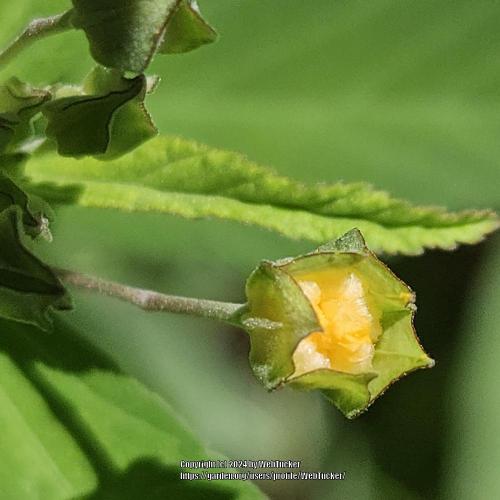
- Lambsquarters (Chenopodium album)
- Uploaded by WebTucker
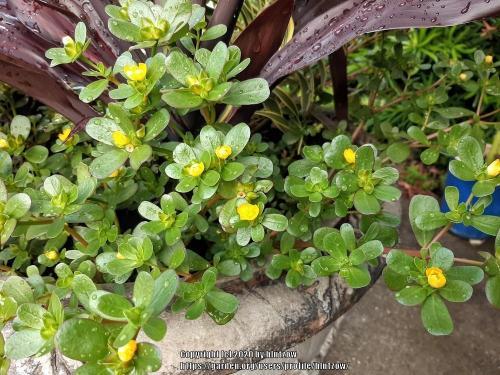
- Common Purslane (Portulaca oleracea)
- Uploaded by hlutzow
Perennial Weeds
Perennial weeds persist year after year. They set fewer seeds than annuals but spread through other means: creeping stolons (above-ground runners), rhizomes (underground stems), taproots, bulbs, and other vegetative plant parts. Because of this, simply cutting or hoeing off the top growth is rarely enough to eliminate them permanently. Perennial weeds require repeated treatment or complete root removal.
Common perennial weeds include dandelions, burdock, quack grass, bindweed, dallisgrass, Johnsongrass, yellow nutsedge, curly dock, broadleaf plantain, and Bermuda grass.
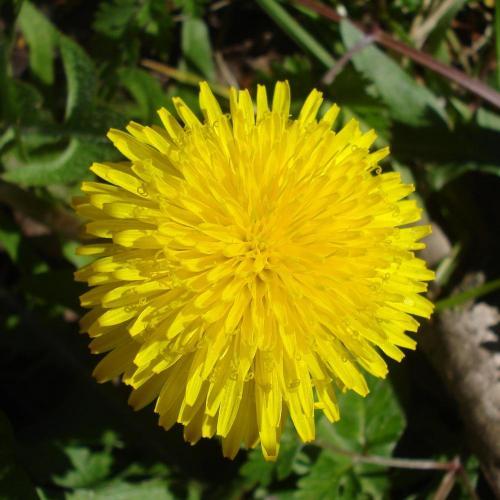
- Dandelion (Taraxacum officinale)
- Uploaded by lovemyhouse
Identifying Weeds
Before you pull or hoe, make sure you're actually looking at a weed and not one of your prized seedlings. If you're uncertain, check garden.org's Weed Library or other regional weed identification resources. Knowing your weed helps you select the most effective control method.
Prevention: Stop Weeds Before They Start
The most effective weed control happens before seeds germinate. Prevention requires less work than fighting an established weed population.
Prepare Your Garden Before Planting
Good garden preparation starts the season off right. Once you've tilled or loosened the soil, smooth the top few inches with a rake or cultivator to create a level seedbed. This is especially important for fine-seeded crops like carrots and cosmos. Keep the seed bed well watered before planting to encourage germination of desired plants and, yes, any weed seeds present.
Timing your bed preparation carefully allows you to tackle the first flush of germinated weeds before planting. A few days after you water, small weed seedlings will emerge and can be easily removed by light hoeing. This gives your desired plants a head start.
Minimize Soil Disturbance
The more you till or cultivate, the more weed seeds you bring to the soil surface where they can germinate. If possible, transition to minimal tillage or no-till gardening. Even small changes, such as reducing the depth of cultivation to just 2 inches or less rather than deep digging, can keep many dormant seeds buried below the germination zone.
Be cautious about adding manure to your garden. Fresh or partially decomposed manure, particularly from horses, can introduce large quantities of viable weed seeds. Use well-aged or certified weed-free compost instead.
Use Mulch as a Weed Barrier
Organic mulch is one of the most effective and attractive weed prevention tools available. A 2- to 3-inch layer of shredded bark, pine straw, bark chips, or wood chips around plants accomplishes multiple goals: it suppresses weed seeds by blocking light, keeps soil cool and moist, reduces watering needs, and gradually enriches the soil as it decomposes.
Organic mulches work especially well in cool-season crops like broccoli, cabbage, lettuce, and peas. For warm-season vegetables such as tomatoes, peppers, melons, and beans, wait until the soil has warmed to at least 60 degrees before applying mulch.
For detailed guidance on mulching materials, depth, and application techniques, see /learn/articles/view/195/.
Landscape Fabric and Old Carpet for Pathways
In high-traffic areas like garden paths, traditional organic mulch alone may not provide lasting control, especially against stubborn perennial weeds like blackberries and poison oak. Landscape fabric or used carpet placed under wood chips or bark mulch creates a more durable barrier.
Old carpet is free and surprisingly effective. Polyester and nylon carpets can suppress weeds for more than a decade. To prepare an area, mow or chop all existing plants to the ground. Add an inch or more of manure over the entire area to help decompose the chopped foliage. Place the carpet with the nap side down (not the back side) and overlap edges by at least 1 foot to prevent vining weeds from threading through seams. Secure the carpet with 9-inch metal stakes (such as tent stakes) every 3 feet, then cover with 4 inches of wood chips or bark mulch. You'll still need to pull weeds that sprout through the mulch, but significantly fewer will emerge.
Choose Competitive Plants and Dense Spacing
Some plants naturally compete better with weeds than others. Large, vigorous crops like tomatoes, squash, melons, potatoes, cabbage, and beans quickly shade the soil once established, smothering annual weeds beneath their canopy. Smaller plants like lettuce, carrots, onions, and radishes offer little competition and require more frequent weeding to maintain healthy yields.
Dense planting, once your crops are established, reduces bare soil exposed to weed seed germination.
Manage Irrigation Carefully
Water your desired plants directly using drip irrigation or soaker hoses, avoiding wetting bare soil between plants. This targeted watering encourages your plants' roots while minimizing moisture for weed seeds.
Cultural and Mechanical Control
Once weeds emerge, you have several proven methods for removing them without chemicals.
Hand-Pulling and Digging
Hand-pulling works best for young, tender weeds and small populations. The best time to pull is a few days after rain, when soil is moist and roots come out more easily without breaking. For perennial weeds with tap roots like dandelions or curly dock, use a long-handled weeding tool or digger to remove as much of the root as possible. Even a small piece of root left behind can resprout.
For runners and creeping rhizomes (like apple mint, goldenrod, or Johnsongrass), work slowly and deliberately. Gradually hand-pull the runner with a steady, increasing tension, shifting your grip hand over hand to remove as much of the underground stem as possible. Jerking can snap the stolons into many viable pieces that will establish elsewhere in weeks.
Hand-pulling larger weeds requires technique. Grasp as much of the stem as you can near the base, then pull slowly as you feel for maximum resistance on the roots. You'll hear and feel roots popping as you increase tension. Once one root releases, you may need to adjust tension for the next one. After a few sessions, your hands will develop intuition for the feel of root resistance.
Using Hoes and Cultivation Tools
Traditional and modern hoe designs offer alternatives to hand-pulling, particularly for large areas. The key is to use them at the right time: weed early and weed often.
Best timing: Weed a few days after rain or watering, when the soil is moist. The moisture keeps weed seedlings tender and easy to uproot. Cultivate on a sunny morning; any weed seedlings you expose will be killed by the heat of the day and won't resprout.
Shallow cultivation: Slice weeds just below the soil surface using a sharp-edged hoe. Keep your cultivation depth to less than 2 inches to avoid bringing dormant weed seeds to the surface. Scuff rather than dig.
Hoe varieties:
- Collinear hoes feature very sharp rectangular blades and angled handles, cutting small weeds with minimal soil disturbance. Excellent for detailed work around seedlings.
- Push-pull hoes (swan neck, oscillating, glide-and-groom, and winged weeders) work just below the soil surface with less effort than traditional hoes. Best in sandy soil.
- Warren hoes have triangular blades and allow close work around young seedlings. They can also create furrows for planting seeds.
- Eye or grub hoes have large, heavy blades and long handles for superior leverage, suited to heavy-duty cultivation and perennial weed removal.
- Multi-tined cultivators dig lightly through soil, uprooting weeds around desirable plants without disturbing roots.
- Wheel hoes resemble small horse-drawn plows; they require muscle power but are efficient for row crops.
Weed-Pulling Tools
Specialized weed pullers with long handles reduce bending and back strain. Look for models with sharp tines or prongs operated by a foot pedal or hand crank that grip the weed and yank it out with minimal disturbance to surrounding soil. Effective models include the Cobrahead, which features a curved head with a flat blade, and the Circlehoe, both of which help pull up plants by their roots.
Timing and Frequency
Weed early in the season: Remove annual weeds before they reach 3 inches tall. This prevents them from flowering and setting seed. Early, consistent weeding means dramatically less work later in summer.
Daily weeding: A few minutes of weeding each day is far more effective than attempting to clear an overgrown bed. Small, tender seedlings are easy to remove; mature weeds with established roots consume much more time and energy.
For perennial weeds: Late spring is the most effective time to attack perennials like dandelions. Their stored food reserves in roots are at their lowest in spring and just beginning to replenish. Even if you can't remove all roots, continual pulling, hoeing, or tilling throughout the season depletes root reserves of stored energy.
Around young plants: Work carefully around seedlings; their roots are as sensitive to damage as weeds are. Minimize disturbance to avoid exposing additional weed seeds.
The Night-Weeding Strategy
Research at the National Soil Tillage Research Lab found that weeds tilled at night showed significantly reduced germination compared to daytime cultivation. The reason: many annual weed seeds require light to break dormancy. Each daytime cultivation allows light to penetrate into the soil, stimulating germination of light-sensitive seeds. Nighttime tilling, with minimal light exposure, prevents this stimulation.
In studies, two night cultivations about 2 weeks apart reduced lamb's-quarter by 70 percent and smartweed by 80 percent, compared to daytime tilling. Ragweed and black nightshade were reduced by about half, pigweed and mustard by about 40 percent. Interestingly, the light-sensitive effect didn't work on many other species, including giant ragweed, velvetleaf, and most grasses tested.
This research suggests that minimal or no-till approaches, combined with mulch, are more effective at preventing weeds than repeated cultivation that constantly exposes new seeds to germinating light.
Pathways and Permanent Beds
Annual beds: Once flowers and vegetables are up and growing, cultivate between plants regularly. The best approach is consistent light work rather than waiting for weeds to become established.
Perennial beds: Perennial flower gardens and shrubs need less frequent weeding than annual beds because you're not working the soil as much. However, established perennial weeds like dandelions and burdocks will eventually colonize these spaces. Remove them by hand or with a digging tool, taking care to remove as much of the root system as possible.
Paths: Weeds in paths between beds or in cracks between pavement can be especially persistent. Hand-pull individual weeds from mulch paths, maintain clearly defined path edges with a lawn edger, and dig out weeds between pathway stones with a garden scraper.
Smother Tactics with Cover Crops
If you're battling overwhelming annual weed populations, cover crops can help suppress them while building soil organic matter. Buckwheat grows rapidly and smothers annual weeds effectively. Winter rye, turned under in spring, produces residue that has been shown to reduce pigweed, purslane, and lamb's-quarter seed germination by up to 75 percent.
Thermal Weed Control: Flame Weeders
For weeds in pavement cracks, along fence lines, and in other specific situations, thermal weed control using propane flame torches offers a chemical-free alternative. Flamers work by heating sap in weed cells until they burst. Grass plants, which have evolved to withstand fire, recover quickly because their growing points are protected from the flame.
For a complete guide to flamer selection, safety precautions, and operation, see /learn/articles/view/77/.
Organic Herbicide Options
While mechanical and cultural control should be your first line of defense, certain organic herbicides may help when used judiciously.
Soap-based herbicides: Safer's SuperFast and similar products made from soap are considered low-toxicity options. Weeds wither within minutes after application, though perennial weeds require repeat applications.
Corn gluten meal: Corn gluten meal, a byproduct of corn syrup production, contains about 6 percent nitrogen and acts as a pre-emergence herbicide by preventing weed roots from establishing. It stops seeds of dandelions, pigweed, crabgrass, plantain, lamb's-quarter, and curly dock from germinating when applied before seeds sprout.
Corn gluten meal is most effective when applied in spring and fall at 10 pounds per 1,000 square feet of lawn. The control effect lasts about one month. Research published in the 1990s showed that two applications reduced crabgrass in Kentucky bluegrass lawns by 50 percent or more in the first year, with improved results in subsequent years. However, note that more recent research shows variable effectiveness depending on soil conditions and weed species, so results should not be assumed. It works best in established lawns and perennial beds with transplants, applied immediately after tilling and worked into the top 2 to 3 inches of soil.
Any pre-emergence herbicide only prevents seeds from germinating; it has no effect on weeds that have already sprouted and rooted.
Herbicides and caution: Older articles in this consolidation recommended various synthetic herbicides and specific brand-name products. Modern gardeners should be cautious about chemical herbicide use, particularly around food gardens and in homes with children or pets. If you choose to use herbicides, read labels carefully and follow all safety directions. Nonselective systemic herbicides like glyphosate will kill most plants they touch, so apply them carefully to target weeds only.
Poison Ivy: A Special Case
Poison ivy deserves its own section because, unlike other weeds, it causes serious health problems and requires careful management. Poison ivy (Toxicodendron radicans) is found in woodlands, abandoned fields, and disturbed garden areas east of the Rockies. Poison oak is more prevalent in western regions, and poison sumac is found primarily in wet areas of the East and Southeast.
Identification: Poison ivy typically has three leaflets, hence the saying "leaves of three, let it be." However, leaves occasionally have five to nine leaflets, and their appearance changes as the plant ages. Young leaves are shiny and small; older leaves are dull and much larger. The leaflet margins are usually smooth or slightly lobed. Poison ivy can grow as a woody vine, a trailing ground cover, or a free-standing shrub, so scan up, down, and all around when working in areas where it might be present.
The hazard: Poison ivy's sap contains urushiol, a persistent oil that causes severe rashes, itching, and swelling. Approximately 350,000 cases of poison ivy dermatitis are reported annually, though actual cases are likely much higher. About 60 to 90 percent of people are allergic to urushiol. The oil can penetrate skin in minutes and, remarkably, can remain active in the environment for years, even on dormant plants, tools, clothing, and dead plant material.
If you're exposed: The U.S. Department of the Interior recommends washing exposed skin with soap and cool water within 30 minutes of exposure, before urushiol penetrates the outer layer of skin. Do not use hot water, as it opens pores and speeds penetration. Wash contaminated clothing separately in hot water with heavy-duty detergent. Wipe tools thoroughly with rubbing alcohol or soap and water.
Control strategies:
- Dig it out in spring or early summer when actively growing. Remove vines and dig out roots. You may need to return several times to address new shoots from missed root pieces, but the plant will eventually be exhausted.
- Smother it. If you can wait and aren't concerned about garden appearance, cut back the plant and cover the area with black plastic mulch for an entire summer to suffocate the roots.
- Cut repeatedly. Cutting poison ivy down repeatedly over the season will eventually exhaust root reserves. Remove and bag all cut material for disposal; do not compost.
- Paint herbicide directly on cut stems (safer than spraying). This method delivers the herbicide to the roots without contacting nearby plants or the environment broadly.
Always wear long pants, a long-sleeved shirt, gloves, boots, and a mask when eradicating poison ivy. Never mow established patches or burn the plant; doing so spreads urushiol oil. For detailed guidance on poison ivy control, see /learn/articles/view/4086/.
Lawn Weed Management
Lawn weeds differ from weeds in garden beds. They include both annual invaders like crabgrass and perennials like dandelions and Bermuda grass.
The preventive approach: Rather than relying on herbicides, create a healthy, dense lawn that weeds cannot colonize. Mow your grass slightly higher than standard heights (most lawns do better at 2.5 to 3 inches). A thicker turf shades the soil, preventing weed seeds from germinating. Fertilize regularly and water deeply but less frequently to encourage deep rooting and drought tolerance. In spring, use a lawn rake or scarifying rake to remove dead grass and aerate the lawn, promoting healthy new growth.
Lawn weeds are most vulnerable in late spring when perennial species are just beginning to replenish root reserves. Consistent cultural management, without chemicals, is the most sustainable approach.
A Final Word
Weeds are a natural part of every garden and landscape. The goal isn't eradication of every weed everywhere, but rather management to protect your desired plants and maintain the beauty and productivity of your garden. By starting early in the season with prevention, using the right tools, and maintaining consistent effort, you'll transform weed control from an overwhelming chore into a manageable part of regular garden maintenance. Many gardeners find a meditative quality to regular, mindful weeding, giving them time to reflect and plan while working outdoors.
