From Seed to Seed:
Plant Science for K-8 Educators
 |
 |
 |
 |
|
From Seed to Seed: |
|
|
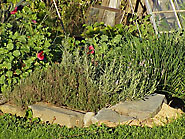
Tannins and Essential Oils. Tannins are used in the leather industry to cure hides. They bind with the proteins in animal skins, making the proteins unavailable to decay organisms. Tanning a hide creates a stable leather that is resistant to bacterial decay. Essential oils. These fragrant substances probably play a role
in luring pollinators and repelling herbivores. Some essential oils also
have antiseptic properties. They are usually fragrant because they evaporate
on contact with air. In the plant, essential oils are usually contained
in special oil glands or in the region between the cell wall and cuticle
of epidermal hairs. Students may notice that simply touching the fuzzy
leaves of a mint plant brings out their fragrance. Touching breaks the
Essential oils are used in perfumes and flavorings. Examples include peppermint, spearmint, citrus, eucalyptus, rose, juniper, lavender, and rosemary oils. Many fragrant spices owe their smell to the essential oils they contain, including cinnamon, clove, nutmeg, vanilla, pepper, and ginger. |
||||
|
Made possible by a grant from Oracle Corp. Copyright 2001, National Gardening
Association, Inc. For questions regarding this web site, contact Webmaster |
 epidermal
hairs and exposes the oils.
epidermal
hairs and exposes the oils. 

