

Edible landscaping is a design philosophy that integrates food-producing plants into your ornamental landscape. Rather than relegating vegetables and fruits to a separate garden bed, this approach uses berries, nuts, herbs, and other edibles as attractive foundation plantings, hedges, ground covers, and shade trees. The result is a beautiful yard that feeds your family while conserving energy and creating visual interest in every season.
Understanding Edible Landscape Design
Edible landscaping differs fundamentally from traditional vegetable gardening. While a vegetable garden focuses on maximum production in a dedicated space, edible landscape design emphasizes aesthetic integration. Your fruit trees, berry bushes, and edible ground covers must look as beautiful as any ornamental planting while also producing food. This means considering not just the fruit but also flowering time, foliage color, texture, and seasonal interest when selecting plants.
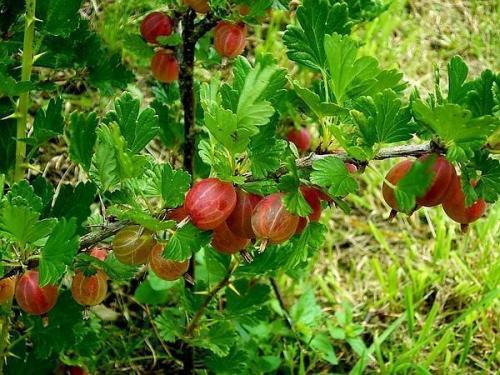
- Gooseberry (Ribes uva-crispa)
- Uploaded by SongofJoy
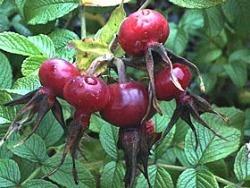
The philosophy is simple: if you're already planting shrubs around your home's foundation, why not choose blueberries instead of yews? If you need a hedge to define a garden room or block an unsightly view, consider berries instead of traditional boxwood or privet. Many edible plants rival ornamental species in visual appeal. A Rugosa rose produces beautiful fragrant flowers and edible hips, while fruiting shrubs like currants and gooseberries offer attractive foliage and bountiful berries.
Design Principles for Success
Before selecting specific plants, determine their function in your landscape. Will they serve as foundation plantings immediately around your home, act as a screen or hedge to block views or define property lines, create a formal barrier against wildlife and trespassers, or shade your yard for energy conservation? Each role calls for different characteristics.
Site Considerations:
Examine your yard's sun exposure throughout the day and seasons. South and west-facing areas receive full sun and intense heat. North-facing areas stay cool and shaded. Morning shade with afternoon sun differs from afternoon shade with morning sun. Most edible trees and shrubs need six hours of direct sun for optimal fruit production, though some herbs and leafy edibles tolerate partial shade.
Evaluate soil conditions. Are there areas with poor drainage, compacted soil, or extremes of acidity or alkalinity? Blueberries need acidic soil with pH below 5.5, while most berries and herbs prefer well-drained soil enriched with compost. Understanding your soil allows you to select plants that thrive without constant amendments.
Consider wind exposure. Cold winter winds from the north and west can damage plants and increase your home's heating costs. Strategic placement of edible trees and shrubs can act as windbreaks, reducing heating costs by 10 to 25 percent depending on your location.
Using Edible Trees for Shade and Energy Conservation
Deciduous fruit and nut trees planted on the south and southwest sides of your home provide significant energy savings. In summer, their leafy canopies shade windows and walls, reducing air conditioning costs. In winter, after leaves fall, they allow warming sunlight through. Research by Auburn University's School of Forestry and Wildlife Sciences found that homes with just 17.5 percent heavy shade coverage from trees used 11.4 percent less electricity from May to September, translating to monthly savings of 31 to 33 dollars per home.
Plant large shade trees such as apple, cherry, pear, pecan, and walnut on the west and southwest sides. Space them at a distance of two to five times their mature height from your home for maximum effectiveness. A 40-foot tree like a Swiss stone pine (which produces edible pine nuts) should be planted at least 80 feet away. If space is limited, train vines like kiwi and grape along the south side of your house to provide summer shade while saving space.
Edible Shrubs as Foundation Plantings
Foundation plantings immediately surrounding your home deserve careful selection because they're viewed frequently and must fit the space without requiring drastic pruning. Areas next to the house, especially south-facing sides, often become excessively hot, so choose plants adapted to those conditions.
Excellent foundation shrub choices include:
-
Blueberries (Vaccinium spp.) - Select highbush varieties (5 to 6 feet tall) or half-high types (1 to 4 feet tall) for compact spaces. They need acidic, well-drained soil and are hardy in Zones 3 to 9. Combine multiple varieties for cross-pollination and extend fruiting time.
-
Currants and Gooseberries (Ribes spp.) - These hardy shrubs grow to 3 to 5 feet tall and are among the most attractive foundation plants available. White, red, and black currants produce tart-sweet fruits for fresh eating or processing. Gooseberries have thorny branches and larger fruits perfect for pies and jams. Hardy in Zones 3 to 8, they're especially attractive when grouped together.
-
Hazelbert (Corylus spp.) - A hybrid between filbert and hazelnut, this 8 to 12-foot shrub produces beautiful fall foliage and edible nuts. It makes an excellent transition plant between foundation beds and landscape edges.
-
Bush Plums and Cherry-Plums (Prunus spp.) - Sometimes called Nanking cherries or sand cherries, these shrubs grow 6 to 10 feet tall with showy white flowers and 1/2-inch tart fruits. Hardy in Zones 3 to 9, they make excellent coastal plants due to salt spray tolerance.
-
Rosemary (Rosmarinus officinalis) - In Zones 9 to 11, this fragrant evergreen shrub works beautifully as a low hedge or foundation border. The aromatic leaves are essential to many culinary dishes.
-
Natal Plum (Carissa grandiflora) - In frost-free areas (Zones 9 to 11), this tropical evergreen grows to 6 to 10 feet with fragrant white flowers and edible red fruits that taste like cranberries. It's an excellent seaside plant and foundation shrub.
Creating Edible Hedges and Screens
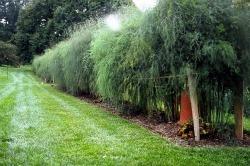
Hedges define and divide garden spaces while producing food, offering the edible gardener an opportunity to grow delicious fruits and vegetables for your family and neighbors. Growing an edible hedge softens the visual impact of blocking views or defining property lines. Decide whether you want a formal hedge that's regularly trimmed or an informal hedge allowed to grow to natural height. Consider the ultimate height needed and select shrubs accordingly. Select a few different varieties of each fruit to ensure cross-pollination and reliable fruit production.
For Low Hedges (3 to 4 feet):
Bush cherries, dwarf blueberries, and currants work well. They maintain size naturally without demanding frequent pruning.
For Medium Hedges (5 to 8 feet):
American cranberry bush (Viburnum trilobum), brambles (blackberries and raspberries), taller currants, and gooseberries fill this range. These shrubs produce abundant berries and define space effectively.
For Tall Hedges and Screens (8 to 15 feet):
Larger cultivars of American cranberry bush, pineapple guava (in Zones 8 to 10), hazelbert, and trained fruit trees work well.
For Thorny Barriers:
If you need to keep wildlife or neighborhood dogs out, choose shrubs with sharp thorns. Rugosa roses, blackberries, raspberries, and gooseberries create formidable barriers. Plant them thickly so they fill in quickly, forming an impenetrable wall.
Mixed Hedges:
Instead of planting all one shrub type, create diversity by mixing compatible edibles. A mixed hedge might include currants, gooseberries, and brambles in varying heights, providing diverse foliage, flowers, and berry colors throughout the season. Ensure selected shrubs have similar growth habits so no single plant dominates the hedge.
Espalier and Living Fences:
For ornamental impact combined with space efficiency, train fruit trees into espaliers or lattice fences. Apples, cherries, peaches, figs, pears, and citrus trees adapt well to this technique, creating decorative patterns while producing fruit. In this training method, trees are pruned and tied to create geometric patterns against walls, fences, or free-standing trellises. The result is both beautiful and productive, adding vertical interest while maximizing production in limited space. This method was famously employed at Thomas Jefferson's Monticello, where edible fences defined garden beds and provided visual structure to the landscape.
Edible Ground Covers
Edible ground covers fill underutilized spaces while maximizing growing area, especially valuable in small-space gardens and urban settings. Low-growing edibles can cascade from containers on decks, grow along walkways, fill spaces under trees and shrubs, or border flower beds.
Shade-Tolerant Ground Covers:
-
Wintergreen (Gaultheria procumbens) - Hardy in Zones 3 to 8, this native evergreen grows just 4 to 6 inches tall and produces aromatic red berries. The leaves taste like wintergreen gum. It's slow-growing but worth the wait in shaded understory locations.
-
Creeping Oregon Grape (Mahonia aquifolium) - This hardy Zone 5 evergreen reaches 1 foot tall and tolerates shade. Its sour blue berries can be used in jams, pies, and wines. Yellow spring flowers precede the fruit.
Sun-Loving Ground Covers:

-
Alpine Strawberries (Fragaria x vesca) - These charming 6-inch mounds produce tiny, intensely flavored berries all summer until frost. Unlike runners, alpine strawberries stay relatively contained when spaced 1 foot apart. Varieties like 'Alexandria' and 'Mignonette' produce red fruits, while 'Yellow Wonder' produces light-colored berries that birds typically ignore.
-
Lingonberries and Cranberries (Vaccinium spp.) - These evergreen heath-family plants have attractive foliage that turns red in fall, doubling their visual appeal. Lingonberries produce tangy berries used in Scandinavian jams and syrups, while North American cranberries, contrary to commercial hype, thrive in home gardens without flooding. Both need full sun (part sun in hot climates) and acidic, moist soil. Hardy in Zones 3 to 4, they eventually spread to create evergreen mats of edible berries. Harvest and freeze for winter use.
-
Low-Bush Blueberries (Vaccinium angustifolium) - These classic wild blueberries grow only 8 to 12 inches tall and are hardy to Zone 3, making them tough plants suited to partly sunny areas along woods edges or in the garden. Like all blueberries, they require well-drained, moist, acidic soil. They have a two-year fruiting cycle: fruiting one year, putting on vegetative growth the next. In the landscape, they may decline without occasional cutting back. However, they produce intensely flavored berries with more antioxidants than larger fruited varieties, prized for pies, jams, and sauces. The plants spread by underground runners to fill areas over time.
-
Culinary Herbs - Mint, thyme, and rosemary provide both food and foot-traffic tolerance. Creeping thyme grows between steps and along walkways, releasing fragrance when brushed. Corsican mint reaches just 1/2 inch tall with crème-de-menthe scent. For harvesting, use larger-leaved mint varieties like English mint. Curly or flat-leaved parsley creates attractive green borders while attracting swallowtail butterflies. Prostrate rosemary cascades beautifully over container edges.
-
Sweet Potato - Ornamental sweet potato vines in lime and burgundy shades make stunning ground covers that produce edible tubers by fall's end. Varieties like 'Marguerite' and 'Blackie' offer visual appeal, while traditional varieties like 'Bush Porto Rico' and 'Centennial' prioritize harvest.
Planning Your Edible Landscape
Begin your design process during quiet months by studying your property and envisioning possibilities.
Step 1: Create a Scrapbook of Ideas
Gather images from magazines and garden books showing landscapes, structures, walkways, fences, and ornaments that appeal to you. Include close-ups of plants and overall garden compositions. Note specifically what attracts you in each image. This scrapbook becomes invaluable when discussing plans with nursery staff, designers, or contractors.
Step 2: Map Your Yard
Sketch your property including the house, existing trees and shrubs, walkways, driveway, fences, sheds, and other permanent features. Indicate north using a compass. Mark areas of full sun, part sun, and shade at different seasons. Note water spigots, electrical outlets, and sight lines from key windows and sitting areas.
Step 3: Understand Your Site
Walk your property's perimeter intimately. Where is the view of your house most pleasant from the yard? Where are natural gathering spots and problem areas? Which direction do cold winter winds prevail? This knowledge shapes all subsequent decisions.
Step 4: Mock-Up Your Layout
Using stakes, string, and garden hoses, outline potential features directly in the yard. Arrange them from multiple viewpoints including from inside your house. Leave these mocks-ups in place for days or weeks, viewing them in different light and weather to ensure satisfaction.
Step 5: Transfer to Paper
Once satisfied with the mock-up layout, measure dimensions and transfer to graph paper using a consistent scale (1 inch equals 4 feet for small yards, 1 inch equals 20 feet for larger sites). Create a base map and overlay sheets showing sun patterns, wind exposure, traffic flow, and planting zones. This planning prevents costly mistakes and helps contractors or designers understand your vision.
Step 6: Include Flexible Space
Leave room for intuitive inspiration. Gardening benefits from spontaneous creativity and willingness to experiment. Some placements that seemed perfect on paper won't work in reality, and vice versa. Don't fear failure. Learning which plants thrive in which locations is the joy of landscaping.
Regional Plant Selection
Your USDA hardiness zone and climate fundamentally limit choices, but most regions offer diverse edible options.
Cold Climates (Zones 2-4):
Stick with extremely hardy selections: bush plums, brambles, American cranberry bush, half-high blueberries, currants, gooseberries, hazelbert, lowbush blueberries, and hardy apple and cherry trees. In short-season areas, prioritize shrubs and perennials that don't require annual planting.
Temperate Climates (Zones 5-7):
You have the broadest selection available. Almost all berry shrubs thrive here, including blueberries, currants, gooseberries, and brambles. Rosemary may survive mild winters. Evergreen huckleberry thrives in Zone 6 Pacific Northwest gardens. Cool-season vegetables like kale, chard, and spinach tolerate partial shade better than in warmer zones.
Warm Climates (Zones 8-11):
Focus on plants adapted to heat. Evergreen shrubs like natal plum, pineapple guava, and evergreen huckleberry remain attractive year-round. Citrus trees thrive in Zones 8 and warmer, offering both ornamental appeal and fruit. Kale and other brassicas grow better in cool season gardens; for summer production, look to heat-tolerant alternatives. Sweet potato vines flourish as ornamental ground covers.
Special Situations:
Even in challenging locations, strategic plant selection succeeds. In the Pacific Northwest, evergreen huckleberry and Oregon grape make excellent choices for south-facing foundation spots. In hot, dry climates, position tender plants where afternoon shade and wind protection from larger established trees creates favorable microclimates. Container gardening allows even apartment dwellers to grow dwarf fruit trees, berries, and vegetables in any climate zone.
Getting Started
Start small. Choose one area, such as foundation plantings around your home or a sunny hedge location, and execute that plan first. Learn how specific plants behave in your particular microclimate. Observe which plants thrive and which struggle. As you gain confidence and observe results, expand into additional areas: ground cover beds, shade trees, or hillside plantings.
Practical Starting Steps:
Begin with plants already proven in your area. Visit local gardens, botanical gardens, and orchards to see edible plants growing in conditions similar to yours. Talk to other gardeners about varieties that thrive in your region and common problems. This real-world knowledge is invaluable. Take advantage of your state's university extension service, which provides detailed growing guides for regional edibles. Many extension offices have demonstration gardens featuring edible landscaping.
When establishing new plantings, invest in quality soil preparation. Amend beds with compost and aged manure before planting. Water young plants deeply and consistently during their first growing season to establish deep root systems. Mulch around plants to conserve moisture, moderate soil temperature, and suppress weeds. Remember that newly planted shrubs and trees take several years to reach mature size and full productivity.
Don't limit yourself to bare-root or container nursery stock. Many local gardeners propagate their best varieties through divisions, cuttings, and seeds. Community gardening organizations, plant swaps, and farmers markets are excellent sources for proven regional selections.
The Rewards:
Edible landscaping is fundamentally about abundance: abundance of beauty, abundance of food, abundance of ecological benefit. Your landscape becomes an extension of your kitchen and a refuge for beneficial wildlife. It transforms the ordinary task of yard maintenance into productive, satisfying activity. The success comes not from perfection but from experimentation and willingness to learn what works in your unique landscape. Most gardeners find the visual beauty combined with edible harvests deeply rewarding, and neighbors often become inspired to create their own edible landscapes when they see fresh food growing amid ornamental beauty.
For specific cultivation details on individual edibles, see our guides on growing berries, growing trees and shrubs, and herb gardening. For broader vegetable and fruit information, consult Vegetable Gardening Basics. Learn more about the pioneers of edible landscaping in our features on Ros Creasy and The Queen of Edible Landscaping.
