


Spring-flowering bulbs are a gardener's great bargain. They come in neat little packages, bloom reliably the first year (nearly guaranteed), stay pest and disease-free compared to many plants, and often return year after year, multiplying to create expanding drifts of color. The secret to a spectacular spring show is simple: fall planting. While the bulbs sit dormant in the cold soil through winter, they're developing roots and preparing for the burst of flowers that will brighten your garden come spring.
Why Fall Planting Works
Even though air temperatures are dropping in fall, the soil remains relatively warm, providing ideal conditions for bulbs to develop roots before the ground freezes. Bulbs planted in fall benefit from months of chilling, a process essential for spring flowering. The cool, moist autumn and winter soil also reduces evaporation, keeping bulbs well-hydrated and properly established before the frost.
Spring-flowering bulbs that thrive on fall planting include tulips (Tulipa), daffodils (Narcissus), hyacinths (Hyacinthus), crocus, snowdrops (Galanthus), snowflakes (Leucojum), ornamental onions (Allium), and many smaller specialty bulbs.
When to Plant by USDA Zone
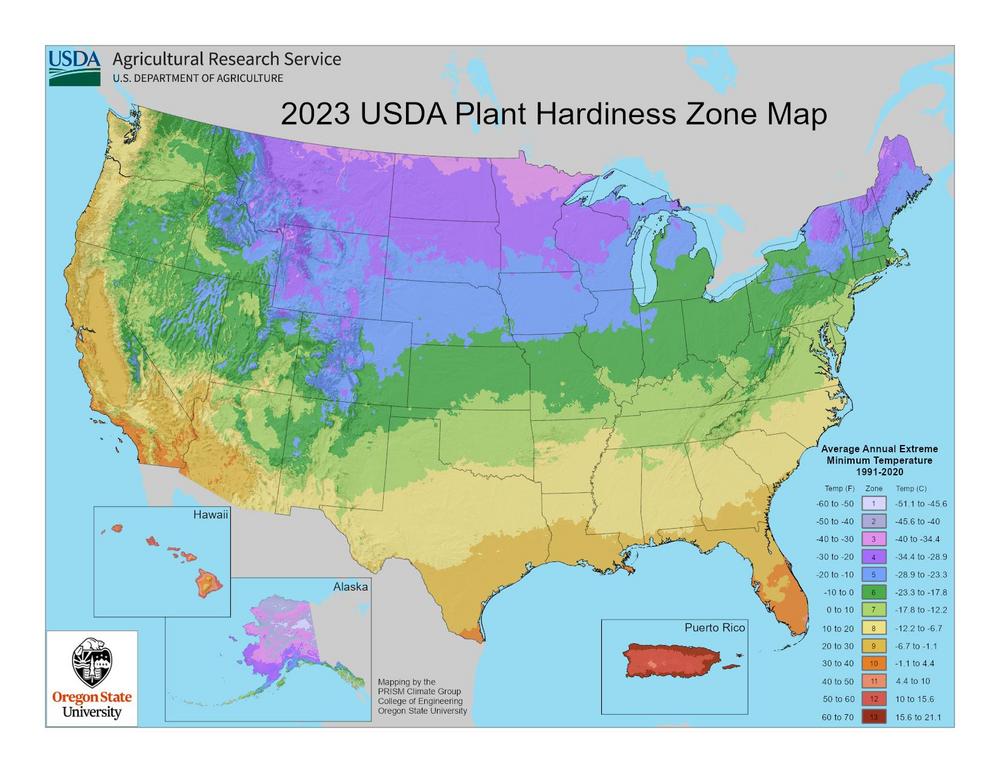
The timing of fall planting varies across the country because fall arrives at different times depending on your climate. Use your USDA Hardiness Zone to guide planting:
Zones 1 to 4 (coldest): Plant in early to mid-September. In the coldest areas, where the ground freezes early and snow cover may be sparse, plant as early as possible to give bulbs time to establish roots. Once the ground freezes (typically a month after planting), apply a 3- to 4-inch mulch layer of hay, straw, or shredded leaves. This protects tender bulbs from freeze-thaw damage and allows soil to stay warm enough for root development.
Zones 5 to 6: Plant from late September through mid-October. Cooler soil temperatures reduce the risk of premature sprouting.
Zones 7 to 8: Plant in early to mid-November. Wait for a killing frost to clear summer annuals and tropicals, creating space for bulb beds.
Zones 9 to 11 (warmest): Plant from early December through early January. In these regions, choose heat-tolerant varieties or pre-chilled bulbs. Most large-flowered tulips, hyacinths, and crocus need artificial chilling; place bulbs in a refrigerator crisper for 8 to 10 weeks (away from fruits or vegetables, which emit ethylene that can damage bulb embryos), then plant. Since the ground rarely freezes, bulbs can go in as late as early January.
Quick rule of thumb: Plant spring-flowering bulbs when soil temperature 6 inches below the surface drops below 60 degrees Fahrenheit.
Choosing and Buying Bulbs
Start shopping early in fall for the best selection. Whether you order from mail-order catalogs or buy locally, purchase from reputable sources that offer quality stock.
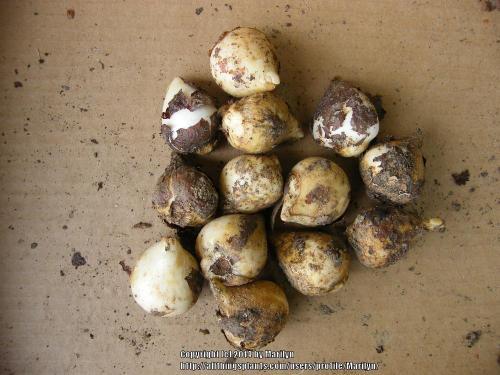
What to look for: Select firm, plump bulbs with intact papery skins (a loose tunic is fine and doesn't indicate damage). Reject any that are soft, moldy, discolored, shriveled, or brittle. Larger bulbs generally produce more flowers the first year. Double and triple bulbs (bulblets attached to the main bulb) are a bargain: the large bulb will flower immediately, and the smaller offsets will mature into flowering-size bulbs over the next year or two.
Storage: If you can't plant bulbs immediately, store them in paper or mesh bags (never plastic) in a cool, dry, well-ventilated spot. Too much heat damages bulbs; too much humidity invites fungal rot.
How Many Bulbs Do You Need?
For a striking visual effect, plant in masses rather than individual rows. Use this guide for popular bulbs:
For a 10-square-foot bed:
- Crocus, grape hyacinth (Muscari), scilla, or anemone: 200 bulbs
- Small daffodil: 140 bulbs
- Large daffodil: 75 bulbs
- Species tulip: 75 bulbs
- Large tulip: 65 bulbs
For a 25-square-foot bed: roughly 2.5 times the 10-sq-ft quantities
For a 50-square-foot bed: roughly double the 25-sq-ft quantities
Adjust based on the effect you want. For a more dramatic show, plant more bulbs closer together. For a naturalized, meadow-like effect, use wider spacing.
Preparing the Planting Site
Choose a location with at least half a day of sun, preferably full sun. Avoid areas of constant shade (like the north side of a building), where bulbs won't get enough light to manufacture food for next year's flowers. Bulbs also do beautifully planted under deciduous trees and shrubs, where they receive ample spring sun before the trees leaf out.
Soil: Bulbs need well-drained soil. Heavy clay should be amended with liberal amounts of compost, peat moss, or ground bark mixed into the top 6 inches of soil. If drainage is still poor, build a raised bed or berm.
Fertilizer: Apply a balanced, low-nitrogen bulb fertilizer (such as 9-9-6) at planting time. Distribute it over the prepared bed. This provides nutrients for the current season and years to come. Never place fertilizer directly in the planting hole, as it can burn young roots.
Planting Technique
Depth: The general rule is to plant bulbs at a depth two to three times the bulb's height. In clay soils, plant slightly shallower (about 2 times the height); in sandy soils, plant slightly deeper (closer to 3 times). This means:
- Small bulbs (crocus, snowdrops, grape hyacinth, scilla): 4 to 6 inches deep, 3 to 5 inches apart
- Medium bulbs (anemone, checkered lily, small daffodil): 4 to 6 inches deep, 4 to 6 inches apart
- Large bulbs (tulip, hyacinth, daffodil, ornamental onion): 6 to 8 inches deep, 6 inches apart
Deep planting discourages some rodent damage, but planting too deep may cause bulbs to flower before shoots fully emerge.
- Tulips (Tulipa)
- Uploaded by Marilyn
Method: Dig individual holes with a trowel or use a bulb planter. For large plantings, dig a wide hole and amend the entire area with compost. Layout the bulbs where you want them planted. Space bulbs evenly but avoid rigid rows; staggered, naturalistic spacing looks better in the garden. Plant each bulb with the pointed end up and the flat basal plate (where roots emerge) down. Cover with soil and firm gently.
For a longer flowering season: Layer two types of bulbs in the same bed. Dig to the depth of the larger bulbs, plant them, cover with soil, then place smaller bulbs on top and cover to the soil line.
Water: After planting, water thoroughly to settle the soil and jump-start root growth. In mild-winter areas, mulch immediately with 1 inch of organic material to keep soil cool and moist. In cold-winter areas, wait to mulch until the ground freezes, which prevents winter heaving that can push bulbs to the surface.
Designing with Spring Bulbs
Color and massing: When buying bulbs, choose one or two varieties in large quantities for a bold display rather than many varieties in small numbers. For example, 100 bulbs of a single tulip variety creates far more impact than 20 each of five varieties. Tulips and daffodils come in whites, pinks, yellows, oranges, purples, and reds. Plan color combinations that complement your garden's spring palette.
Spring bulbs are especially stunning when combined with other spring elements: plant them under crab apple or magnolia trees, amidst wildflowers, and alongside spring-blooming perennials like hellebores, bleeding hearts, and creeping phlox.
Little Bulbs for Delicate Impact
Small specialty bulbs create a different effect than the familiar tulips and daffodils. Hardy to zones 2 to 4, these diminutive treasures look best planted in large sweeps and naturalize beautifully:
Winter aconite (Eranthis hyemalis) is one of the earliest bulbs to flower, often blooming through snow. A bright yellow blossom sits atop a ruffled collar of foliage on 3- to 6-inch plants. Deer resistant.
Snowdrop (Galanthus nivalis) also blooms before the snow melts, bringing hope to the winter-weary gardener. Delicate white flowers marked with green dangle from 10-inch stems. Many cultivars exist, including double-flowered forms and giant snowdrops (G. elwesii) that bloom even earlier. Most hardy to zone 4.
Siberian squill (Scilla siberica) is hardy to zone 2 and one of the most shade-tolerant bulbs, perfect for woodland edges. Blooms start as hanging bells and open wide as they mature. 'Spring Beauty' has especially bright blue blooms; 'Alba' offers white flowers. Plants reach 3 to 6 inches tall.
Glory of the snow (Chionodoxa species) are hardy to zone 4 in many different colors. C. luciliae 'Violet Beauty' has pale purple blooms with white centers. C. sardensis produces bright purple-blue flowers. C. forbesii 'Pink Giant' offers faint pastel pink. Plants grow 4 to 6 inches tall and prefer full sun.
Checkered lily (Fritillaria meleagris) is delicate, with downward-facing, tulip-shaped flowers marked with a purple checkered pattern. The cultivar 'Alba' has white flowers. Hardy to zone 4 and preferring part shade and moist soil, it's a conversation piece.
These little bulbs are easier to plant than large bulbs: scatter them on bare ground and plant where they land with a sharp trowel. It's quick work for a big payoff.
Naturalizing for a Meadow Effect
Naturalized plantings create the impression of flowers growing wild. Although it takes a few years for bulbs to multiply into a full display, the effect is worth the wait.
For an open space, you'll need at least 100 bulbs to make visual impact. In smaller areas, many fewer suffice. Choose bulbs suited to your site: cold-hardy varieties for northern zones, heat-tolerant types for warm regions. Vigorous, perennial bulbs that resist animal and insect pests include anemone, crocus, grape hyacinth, daffodils, squill, and species tulips.
Lay out a hose or rope on the ground to mark your planting area with informal, curved edges. Within that boundary, spread odd numbers of bulbs in groups (three, five, or seven per group) with random spacing between groups. This creates a naturalistic effect. Plant large bulbs 8 to 12 inches apart, medium bulbs 4 to 6 inches apart, and small bulbs 3 to 5 inches apart.
Dig with a spade, place a bulb in the hole, and firm gently. Cover each bulb with twice its height of soil. Once planted, allow bulb foliage to fade completely before cutting it back. This replenishes energy in the bulb for next year's flowers. Each spring, sprinkle an inch of compost or aged manure over the area.
For lawn naturalizing, choose bulbs that bloom and fade before grass vigorously grows and needs mowing: crocus, winter aconite, snowdrops, and scilla. You'll have to tolerate an unmowed area until foliage yellows, but the spring display makes it worthwhile.
Combining Bulbs with Perennials
Extend the bloom season by mixing bulbs with perennials that flower before, during, and after the bulbs. Perennials also hide the dying bulb foliage when bulbs finish blooming. Match colors, bloom times, and heights for the best combinations:
Flowering onion (Allium 'Purple Sensation') with lavender, phlox, or geranium. The violet-purple 4- to 5-inch flowerheads atop 24- to 30-inch stems bloom in May, coordinating well with early summer perennials.
Dark purple tulip with oriental poppy, fritillaria, or daylily 'Stella de Oro'. This creates a bold spring statement.
Lilac tulip with anemone, delphinium, or Stokesia.
When planting bulbs around existing perennials, be careful not to damage root systems. Because bulbs and perennials compete for water and nutrients, keep the area well-fertilized and watered, especially in spring and fall. You may need to divide or thin perennials after a few years to leave room for bulb expansion.
Bulbs in Containers
Gardeners in warm regions can leave containerized bulbs outside year-round. In cold climates, container growing is trickier because pots experience extreme temperature swings and limited soil insulation compared to in-ground planting.
For success in containers, choose cold-hardy bulbs and insulate the pots. One method: pot up bulbs in fall, then place those pots inside larger weather-proof containers and insulate the space between with straw, Styrofoam peanuts, or bubble wrap. Alternatively, store potted bulbs in an unheated garage, basement, or in-ground trench through the harshest winter months.
Some bulbs prove reliable in container culture even in cold climates: Tulipa tarda, Altai lilies, and Asiatic lilies have survived harsh Chicago winters on a balcony. Species tulips and small-flowered varieties are generally more cold-tolerant than hybrid types.
Another option: skip the winter struggle and buy blooming potted bulbs in spring, then combine them with other spring-blooming plants in containers.
Protecting Bulbs from Pests
Bulbs have few natural enemies, but some critters love them: especially rodents.
Vole and Mouse Resistance
Research from Cornell University tested which spring-flowering bulbs mice and voles prefer. Researchers fed 30 different bulb varieties to rodents in lab conditions and found clear preferences:
Bulbs rodents eat enthusiastically: All tulips are highly favored. Crocus, hyacinth, allium, scilla, and Dutch iris are eaten readily when rodents are hungry.
Bulbs rodents avoid: Daffodil, camassia, Chionodoxa, grape hyacinth (Muscari), fritillaria, and snowdrop are resistant or avoided.
If vole damage is a concern in your area, either protect susceptible bulbs with wire cages or skip tulips and crocus in favor of resistant varieties. Another approach: line the bottom and sides of the planting bed with half-inch hardware cloth or chicken wire, then lay wire over the bed after planting. Remove the top layer in spring once shoots emerge.
Other Critter Protection
Squirrels, chipmunks, skunks, rabbits, and deer also damage bulbs. For each pest:
Squirrels and chipmunks: These dig up bulbs just after planting. After planting, lay hardware cloth, chicken wire, or other protective barrier over the soil and secure it. Remove it once growth starts. Avoid organic fertilizers like bone-, fish-, or peanut meal, which attract diggers.
Skunks: Usually dig in search of insects and worms but can damage bulbs. Use well-decomposed organic amendments rather than fresh bone or peanut meal.
Deer and rabbits: Plant daffodils, which are unpalatable to animals. To protect tulips and other browseable bulbs, grow them under protective netting supported by wooden frames or metal hoops. Alternatively, try commercial repellents, homemade pepper sprays, or dog or cat hair spread around beds.
Emerging tulips in spring: Cover planted areas with chicken wire in fall after planting. Once shoots emerge in spring, remove the wire. Emerging tulips vulnerable to nibbling can be protected with barriers or repellent sprays until plants harden off.
One additional protection method: add a handful of crushed oyster shells or sharp gravel to each planting hole. The gritty texture deters gnawing rodents.
Common Bulb Problems and Solutions
Prevention is the best medicine. Follow these steps to avoid trouble:
- Buy only firm, healthy bulbs free of soft spots, lesions, or mold.
- Plant in well-drained soil.
- Choose varieties suited to your USDA zone.
- Provide at least half a day of sun (full sun in cool climates; part afternoon shade in hot climates).
- Plant at the correct depth and time.
- Water after planting to initiate root growth.
- Fertilize at planting and again during spring growth.
If problems occur, here are common issues and solutions:
Buds, leaves, or blossoms eaten: Deer, squirrels, rabbits, or chipmunks. Plant daffodils instead; they're unpalatable. Use repellents, scare tactics (reflective tape, plastic owls), or protective netting.
Bulbs dug up: Squirrels, chipmunks, or skunks at work. Lay hardware cloth or chicken wire over the soil to prevent digging. Avoid organic fertilizers that attract diggers.
Bulbs disappear completely: Mice, voles, gophers, or chipmunks are eating them underground. Plant rodent-resistant varieties like daffodils. For susceptible bulbs, use underground chicken wire cages or add sharp gravel to planting holes.
Growth starts prematurely in warm weather: Warm spells can trigger early sprouting. If buds emerge but frost returns, blossoms may be damaged. Mulch beds after the ground freezes to moderate soil temperature swings in mild-winter areas.
Leaves appear but no flowers bloom: Possible causes include insufficient chilling (especially in warm zones), foliage removed too early the previous year (it needs to yellow completely to replenish the bulb), poor soil fertility, insufficient light, or short-lived varieties (many tulips don't rebloom well). Allow foliage to yellow completely before cutting. In warm climates, choose low-chill varieties or pre-chill bulbs before planting. Fertilize in spring and fall. Ensure at least half a day of sun. Ask suppliers about variety longevity before purchasing.
Short flower stems: Caused by insufficient chilling, unseasonably warm winters, or inadequate light. In cool climates, mulch after the ground freezes. In warm climates, plant low-chill varieties and pre-chill bulbs. Ensure adequate sunlight.
Fewer flowers each year: Overcrowding, poor fertility, or increasing shade. Dig and divide bulbs to reduce competition. Improve soil fertility by spreading an inch of compost each spring or applying low-nitrogen bulb fertilizer. Thin tree branches or surrounding plants to maintain half a day of sun during spring growth.
After Flowering
Once bulbs finish blooming, deadhead spent flowers to keep the display fresh. However, leave the foliage alone. Even though it looks messy while yellowing, it's manufacturing energy that gets stored in the bulb for next year's flowers.
Many gardeners hide fading foliage by planting spring annuals (violas, calendulas, pansies) around the bulbs. This gives the bed summer color while bulb leaves finish their work.
Once foliage has completely yellowed or turned brown, you can cut it to the ground. The dormant bulb will remain in place, ready to bloom again next spring.
Many tulips are treated as annuals because reblooming is unreliable after the first year. If you don't expect tulips to return, pull them out immediately after flowers fade.
Tender Bulbs: Summer-Flowering Species
Summer-flowering bulbs (including gladiolus, cannas, caladiums, tuberous begonias, calla lilies, and dahlias, which are technically corms, tubers, and rhizomes rather than true bulbs) are planted in spring and flower in summer. In zones 9 to 10, some can overwinter in the ground (caladiums only in zone 10 or warmer). In colder zones where the ground freezes, dig and store them indoors over winter.
After the first frost kills the tops, dig bulbs with a spading fork or shovel. Shake off loose soil. Air-dry most in a shady, protected spot with good air circulation for about a week. Cut off damaged portions. Dust with fungicide if desired (optional). Store in dry peat moss or paper bags in a cool place around 50 degrees Fahrenheit.
Specific handling:
- Dahlias: Cut stalks back to 6 inches; dry for just a few days before storing in plastic-lined boxes covered with dry peat moss.
- Begonias: Wash immediately, then store like dahlias.
- Gladiolus: Dry for 2 to 3 weeks before storing in paper bags.
Keep stored bulbs in a cool, dry location that stays above freezing. Check occasionally for rot or drying out.
Variety Recommendations

- Tulips (Tulipa)
- Uploaded by dirtdorphins
Tulips (Tulipa) come in single, double, lily-flowered, parrot, fringed, and species forms in white, pink, yellow, purple, orange, and red. Most hybrid types are treated as annuals. They bloom typically in April to May (earlier in the South). Most tulips are susceptible to rodent damage, so use protective methods or choose resistant varieties.
- Daffodils (Narcissus)
- Uploaded by Calif_Sue
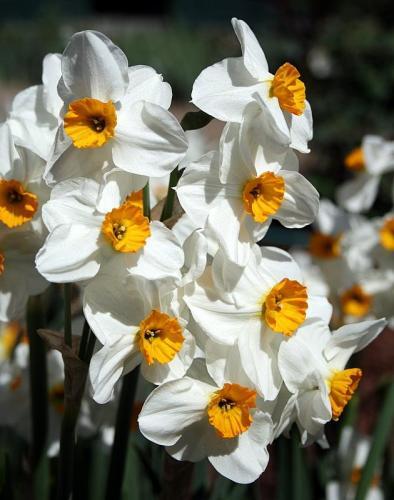
Daffodils (Narcissus) are prized for deer and rodent resistance and their perennial nature. Clumps expand over time. Classifications include trumpet, double, cyclamineus, and miniature types in yellow, orange, pink, and white. Blooming starts in late winter but most bloom in March to April. Popular cultivars include 'February Gold,' 'Jetfire,' 'Mount Hood,' 'King Alfred,' 'Barret Browning,' 'Thalia,' 'Baby Moon,' and 'Sailboat.'
- Hyacinths (Hyacinthus)
- Uploaded by Fleur569
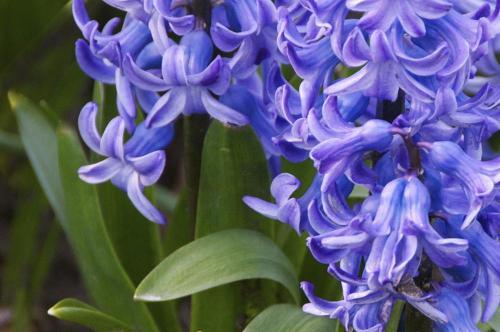
Hyacinths (Hyacinthus) are prized for fragrance, deer resistance, and perennial performance. They come in pink, blue, purple, and white and are popular for forcing indoors and growing in pots.
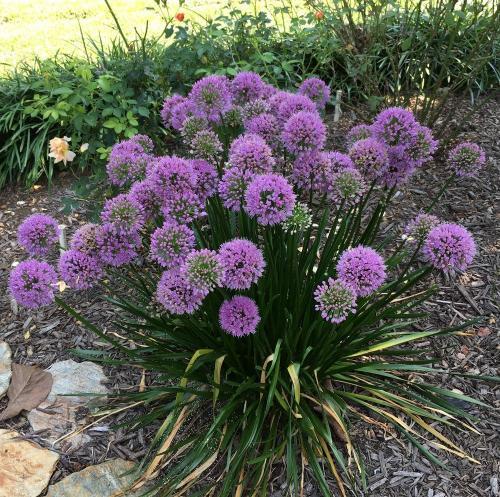
- Ornamental Onion (Allium 'Millenium')
- Uploaded by csandt
Ornamental onions (Allium) have tall stems topped with globe-shaped flower clusters in white, purple, or lavender. They're excellent in the perennial border, late-blooming (often May), and deer resistant. Popular varieties include 'Purple Sensation' (violet purple, 24 to 30 inches tall) and 'Globemaster' (vivid purple clusters on 36-inch stems).
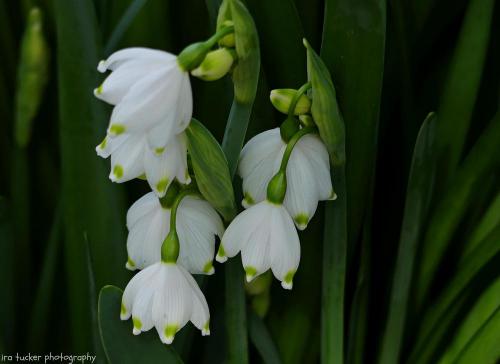
- Summer Snowflake (Leucojum aestivum)
- Uploaded by drirastucker
Small bulbs such as snowdrops (Galanthus), snowflakes (Leucojum), grape hyacinth (Muscari), scilla, crocus, checkered lily (Fritillaria meleagris), and anemone are most effective when grown in large masses as understory to trees and shrubs. Many are deer resistant and bloom early in the year (February to April). These bulbs naturalize beautifully.
For a comprehensive list of varieties with gardener comments and photos, see The Top Spring Bulbs, which highlights tried-and-true favorites across multiple categories.
Final Thoughts
Spring bulbs are the great heralds of the season. Each year as they emerge and bloom, they bring amazing ornament to the garden and lift the spirit. They often symbolize the passage from winter to spring: a renewal that few plants can match. They are among the easiest ornamental plants to grow, and even the novice gardener will delight in their near-certain success. Fall is the time to plan and plant. With the strategies and varieties outlined here, you'll ensure a spectacular spring display for years to come.
