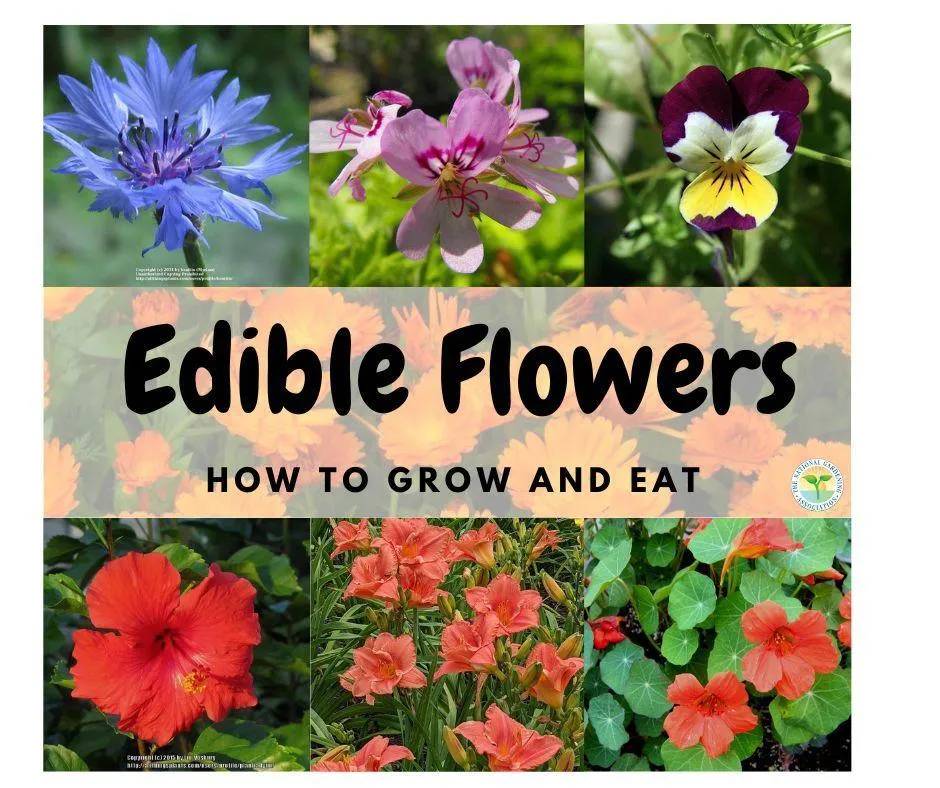


Many flowers are edible and bring lively flavors, colors, and textures to your table, but few gardeners grow them to eat. Growing your own edible flowers is easier than you might think, and it opens a world of culinary and decorative possibilities. From nasturtiums with their peppery kick to delicate violas perfect for garnishing desserts, edible flowers have been part of human cuisine since ancient times.
A Brief History of Eating Flowers
The use of flowers as food dates back centuries. Rose petals, dried daylily buds, and chrysanthemum petals appear in cooking traditions from China to Morocco to Ecuador. Many of the flowers we grow today were originally chosen for the garden based on their attributes of aroma and flavor, not their beauty. Colonial cooks used calendula as a substitute for saffron. Even in pre-Columbian Mexico, Aztecs revered marigolds for religious ceremonies, ornamentation, and medicinal purposes.
Some flowers are surprisingly nutritious. Rose hips are very high in vitamin C, marigolds and nasturtiums also contain vitamin C, and dandelion blossoms provide vitamins A and C.
Safety First: Essential Rules Before Eating Flowers
Before you start harvesting flowers from your garden, follow these critical guidelines. Safety must be your first priority.
- Be sure to positively identify a flower before eating it. Some flowers have look-alikes that aren't edible. If you're uncertain, don't eat it.
- Check for allergies and health conditions. Don't eat flowers if you have asthma, allergies, or hay fever. Flower pollen can trigger reactions in sensitive individuals.
- Eat only organically grown flowers. Only consume flowers that have been grown organically with no pesticide, herbicide, or fungicide residue. Never eat flowers from a florist, roadside, or pesticide-treated landscape.
- Harvest at the right time of day. Collect flowers in the cooler parts of the day, preferably early morning after the dew has evaporated, or later afternoon. Sugars and volatile oils (which give flavor and aroma) are highest when plants are cool.
- Choose flowers at their peak. Select flowers that are fully open and vibrant, avoiding those just beginning to open or starting to wilt.
Flowers to Avoid
Many common landscape and flowering plants are poisonous. Avoid eating the blooms of clematis, hydrangea, sweet peas, azalea, daffodils, daphne, lily-of-the-valley, foxglove, bleeding hearts, rhododendron, wisteria, oleander, lupine, hyacinth, four-o'clock, calla lily, and castor bean. This is not an exhaustive list; always research thoroughly before consuming any flower. Even edible flowers should be eaten in moderation. You can have too much of a good thing.
How to Grow Edible Flowers
Most edible flowers are easy to grow in any garden. Here's what you need to know.
Starting and Planting
Annual flowers like calendula, nasturtium, and borage are best started from seed. You can sow seeds directly in the garden after the last frost date, or start them indoors 6 to 8 weeks before your last frost and transplant seedlings outside. Space plants according to their mature size:tall varieties need 2 to 3 feet apart, shorter ones about 1 foot. Choose a location with full sun and well-drained soil.
Perennial flowers like violets, violas, bee balm, and chives are usually easier started as transplants. Plant them in spring a few weeks before your last frost date. Violets prefer part shade and moist, slightly acidic soil rich in organic matter. Most edible perennials are less fussy about fertility than vegetables.
Ongoing Care
Keep plants well watered, especially during dry spells. Most edible flowers prefer moderate fertility; too much compost or fertilizer will encourage leaf growth at the expense of flowers. Deadhead spent flowers regularly to encourage continuous blooming throughout the season.
Watch for common pests. Spider mites can infest during dry weather; keep plants well watered and spray with insecticidal soap if needed. Slugs love seedlings, especially in cool wet periods; use slug bait and cultivate frequently around plants.
Harvesting and Preparation
When and How to Harvest
Harvest flowers in the morning when oils are most concentrated and blooms look their best. Pick flowers with care and place them in a shaded basket without crushing. Most blossoms should be harvested at or near opening.
Preparing Flowers for the Table
Before using flowers, gently wash them and remove stamens and styles (the insides of the flower) before eating. Flower pollen can detract from flavor and may trigger allergies in some people.
Not all parts of all flowers are edible. While violas, violets, scarlet runner beans, honeysuckle, and clover are entirely edible, for other flowers only certain parts are safe to eat.
Petal-only flowers: For roses, calendula, tulips, chrysanthemums, yucca, and lavender, pluck and eat only the petals. Discard the rest.
Remove sepals and bases: For most flowers except violas and pansies, remove the sepals (the small green parts below the petals) before eating. Roses, dianthus, English daisies, signet marigolds, and chrysanthemums often have a bitter white portion at the base of each petal where it was attached to the flower; remove this as well.
Edible Flowers by Type
Annual Flowers
These reliable bloomers are ideal for gardeners new to edible flowers. They'll flower continuously through the growing season if deadheaded regularly.
Calendula / Pot Marigold (Calendula officinalis) : Though called "pot marigold," calendula is not botanically related to true marigolds. Native to the Mediterranean, it's been used since Tudor times as a saffron substitute in cooking and medicinally to treat wounds. The bright yellow or orange petals have a tangy, peppery taste and work beautifully in salads, teas, and dried arrangements. Calendula is more shade tolerant than true marigolds and self-seeds readily.
Marigolds (Tagetes spp.) : These North American natives were treasured by the Aztecs for religious, ornamental, and medicinal purposes. Today's varieties include tall African types (T. erecta), dwarf French types (T. patula), and the delicate Signet marigolds (T. tenuifolia). The flowers and buds are edible with a citrus-like flavor. 'Lemon Gem' is considered one of the best-tasting varieties. Plant in full sun on well-drained, fertile soil. Deadhead regularly for continuous blooms. Marigolds may self-seed in your garden the following spring.
Nasturtium (Tropaeolum majus) : These bright flowers have a watercress and peppery flavor. Both trailing and compact varieties grow well. Nasturtiums flower better in lean soil; rich soil produces lots of foliage and few blooms. They self-seed readily, so don't be surprised by volunteers next season.
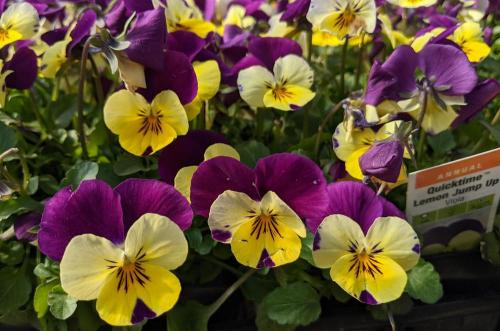
Pansy / Viola (Viola spp.) : These cool-weather bloomers are among the earliest flowers to bloom in spring in cold climates and will bloom throughout winter in milder zones (USDA zone 7 and warmer). Flowers come in violet, white, pink, yellow, or multi-colored combinations with a sweet flavor. Pansies have larger flowers; violas are more heat tolerant. See Edible Landscaping - Edible of the Month: Violets for detailed growing information and variety recommendations.
Petunia (Petunia hybrida) : A summer blooming flower in a wide range of colors with a mild flavor. Easy to grow from seed.
Garland Chrysanthemum (Chrysanthemum coronarium) : Produces mild-flavored flowers in yellow to white. A traditional ingredient in Asian cuisines.
Radish (Raphanus sativus) : The peppery-hot flowers are as edible as the roots. Enjoy them fresh in salads.
Snapdragon (Antirrhinum) : Spring and fall flowering plants in a wide range of colors. Flowers have a bland to slightly bitter flavor and make charming small bites.
Scented Geraniums (Pelargonium spp.) : Flowers in white, red, pink, or purple with flavors ranging from apple to lemon, depending on the variety.
Scarlet Runner Beans (Phaseolus coccineus) : Bright orange to scarlet flowers with a mild, raw bean flavor. You can also eat the young pods.
Squash (Cucurbita spp.) : Yellow to orange flowers with a mild squash flavor. Harvest unopened male flowers for best results (they won't produce fruit). Remove the pistils and stamens before eating.
Sunflower (Helianthus annuus) : Unopened buds taste like a mild artichoke; flower petals are bittersweet. A fun flower for children to grow.
Tuberous Begonias (Begonia x tuberhybrida) : Flowers in white, pink, yellow, red, orange, or multi-colored with a citrus flavor.
Perennial Flowers and Herbs
These plants return year after year, providing a continuous supply of edible blooms.
Bee Balm (Monarda didyma) : Features red, pink, white, or lavender flowers with a tea-like flavor that's stronger than the leaves. Attracts pollinators. See Attracting Pollinators for more information.
Borage (Borago officinalis) : Has blue, purple, or lavender flowers with a cucumber-like flavor. Often used in salads and beverages. Highly attractive to bees.
Chives (Allium schoenoprasum) : Delicate white, lavender, or purple flowers with a strong onion flavor. Easy to grow from seed or divisions. One of the most useful edible flowers for the kitchen.
Daylily (Hemerocallis) : Comes in a wide range of flower colors with a slight asparagus or summer squash-like taste. The unopened buds and dried buds have been used in Asian cooking for centuries. Daylilies are extremely easy to grow and thrive in part sun to full sun.
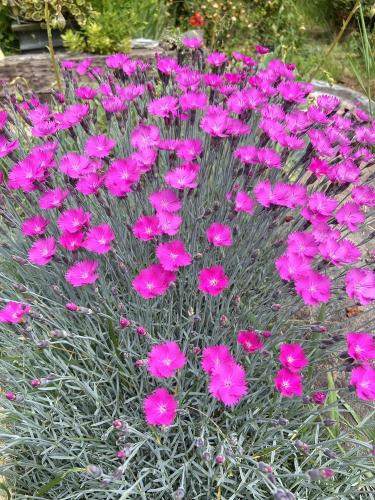
Dianthus / Pinks (Dianthus spp.) : Pink, white, and red flowers with a spicy, clove-like flavor. Fragrant and elegant in arrangements.
Dandelion (Taraxacum officinale) : Yellow, slightly bitter flowers high in vitamins. Surprising in a salad or brewed as tea.
Red Clover (Trifolium pratense) : Sweet-tasting flowers in pink or red. Traditionally dried for tea.
Hollyhock (Alcea rosea) : Comes in a wide range of colors with a bland to slightly bitter flavor. The tall spikes are striking in gardens.
Tulips (Tulipa spp.) : Come in a wide range of colors except blue with a mild, slightly sweet flavor. Spring bloomers.
Violet (Viola odorata, sweet violet; Viola spp., violas) : Sweet violets have violet, pink, or white flowers with a sweet to slightly sour flavor and a delicate fragrance. Annual violas and pansies come in many more colors. Both are entirely edible:use whole flowers or candied petals. See Edible Landscaping - Edible of the Month: Violets for detailed growing information.
Baby's Breath (Gypsophila) : White or pink flowers with a mild, slightly sweet flavor.
Tree and Shrub Flowers
These woody plants produce some of the most elegant edible flowers.
Apple (Malus spp.) : White to pink flowers with a floral to slightly sour taste. Delicate garnish for spring desserts.
Elderberry (Sambucus nigra) : White, sweet-tasting flowers. Use in syrups, teas, and cordials.
Hibiscus (Hibiscus rosa-sinensis) : Orange, red, or purplish red flowers with cranberry and citrus overtones. Slightly acidic flavor.
Linden (Tilia spp.) : White to yellow flowers with a honey-like flavor. Traditionally brewed as a soothing tea.
Lilac (Syringa spp.) : Fragrant white, pink, purple, or lilac flowers with a slightly bitter, lemony flavor. Beautiful in syrups and teas.
Honeysuckle (Lonicera spp.) : White, yellow, pink, or red honey-flavored flowers. Entirely edible.
Plum (Prunus spp.) : Pink to white flowers with a mild flavor like flower nectar.
Rose (Rosa spp.) : White, pink, yellow, red, or orange flowers with a highly perfumed, sweet to bitter flavor depending on variety. Remove the white base of petals which is often bitter. Use in syrups, jams, teas, and salads.
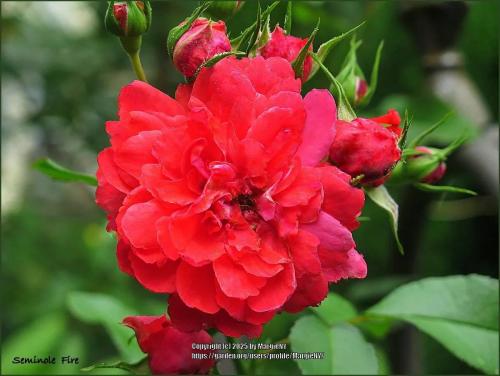
- Rose (Rosa 'Seminole Fire')
- Uploaded by MargieNY
Growing Edible Flowers in Containers
Growing edible flowers in containers is perfect for small spaces, patios, and for involving children in the gardening process. Here's a simple planter recipe to get you started.
Edible Flower Planter
You'll need:
- A large container, 14 to 16 inches in diameter
- Potting mix (not garden soil)
- Nasturtium seeds (trailing and compact varieties)
- 1 calendula plant
- 1 chive plant
- 3 viola plants
Purchase organically grown plants to ensure they're safe to eat, or start seeds indoors in early spring.
Instructions:
- Fill the container about half full with lightly moistened potting mix.
- Set the plants in the container with the taller chives and calendula in the back and the violas in the front. Sow compact nasturtiums in the middle and trailing nasturtiums around the front and sides.
- Keep the planter moist, not wet, in full sun.
- Snip flowers with small scissors, gently rinse them, and let them dry on paper towels. Use them fresh in salads, as garnish, or to decorate cakes and cupcakes.
Children especially enjoy growing and harvesting their own edible flowers from containers.
Storage and Preservation
Fresh storage: Store clean, dry flowers in a hard container lined with paper towels in the refrigerator to prevent crushing. They'll keep for several days.
Drying: Spread flowers on a screen to dry in a well-ventilated, shady location. Once completely dry, store them in glass jars. Dried flowers work beautifully in teas, arrangements, and baking.
Candying: Create crystallized flowers by brushing them with egg white and sprinkling with superfine sugar. Let dry completely on parchment paper. Store in an airtight container.
Related Reading
For more information on growing edible plants and incorporating them into your landscape, see:
- Edible Landscape Design
- Container Gardening Basics
- Cooking With Garden Produce
- Herb Gardening Basics