


Understanding Ornamental Grasses
Ornamental grasses are far more than lawn grasses. They encompass dozens of species with striking diversity in texture, size, color, and flower form. Their foliage ranges from fine and delicate to broad and architectural, in shades of green, blue, gold, red, pink, and purple. Many produce feathery plumes or airy flower heads that often remain ornamental well into winter. Plants grow from 1 foot to 9 feet tall depending on variety, making them suitable for everything from ground covers to tall screens and specimen plantings.
Cool-Season and Warm-Season Grasses
Ornamental grasses are divided into two primary groups based on their peak growing periods. Cool-season grasses, such as feather reed grass (Calamagrostis x acutiflora 'Karl Foerster'), grow most vigorously in spring and fall when temperatures are moderate. They leaf out and bloom in cooler months and may go dormant or decline during hot summers, especially in humid regions. Warm-season grasses, including Miscanthus and most muhly grasses (Muhlenbergia), begin growth in late spring, peak in mid and late summer, and produce their most colorful foliage and flowers in fall. Understanding this distinction helps gardeners select varieties suited to their climate and position grasses appropriately in the landscape.
Clumping and Running Forms
Ornamental grasses also fall into two habits: clumping and spreading. Clump-forming grasses grow in tidy mounds and spread slowly, maintaining defined boundaries. These are the safest choice for mixed borders and most garden situations. Spreading grasses spread by creeping underground roots, and many can become weedy nuisances or invasive pests in a flower border. Running types such as ribbon grass (Phalaris arundinacea 'Picta'), blue lyme grass (Leymus arenarius), and giant reed (Arundo donax) can overtake adjacent plantings if left unchecked. If you wish to grow a spreading grass, confine it in a large pot sunk into the soil, or plant it in a designated area where rhizomes cannot escape into garden beds.
Modern breeding has reduced the invasive potential of many popular ornamental grasses. The sterile cultivar 'Karl Foerster' has proven reliable for nearly 40 years without becoming an invasive pest. However, gardeners should remain aware that Miscanthus species and some other self-seeding ornamental grasses can become problematic, especially in warmer zones. Where invasiveness is a concern, choose sterile or low-seed cultivars.
Choosing Ornamental Grasses
Selecting by Region and Hardiness
Most ornamental grasses will grow across a wide range of North American climates, but the best results come from matching varieties to your growing region.
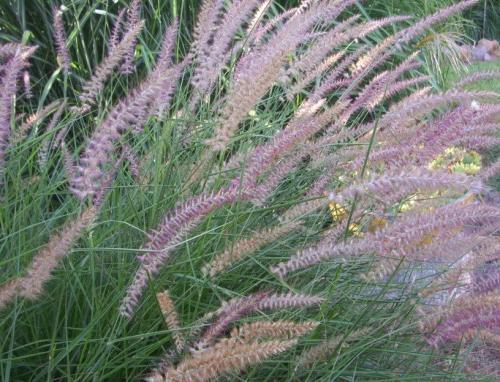
Cool-season grasses excel in northern and higher-elevation gardens. 'Karl Foerster' feather reed grass is hardy through USDA Zones 4 to 9 and is particularly valued as a cool-season variety that creates strong vertical accents. At only 18 inches wide and up to 5 feet tall, it provides dramatic architectural form while remaining upright even in wind and heavy rain. The feathery flowers emerge light pink in June and mature to a narrow, golden tan that lasts through fall. It is a natural hybrid that has proven reliable and trouble-free across decades of cultivation.
Warm-season grasses and Miscanthus species perform best in Zones 5 and warmer, though hardiness varies. 'Morning Light' Miscanthus, with its fine-textured foliage featuring narrow cream-white variegated edges, is hardy in the ground through Zone 5 and often survives winters in Zone 7 when grown in containers. Such grasses establish deep root systems that make them drought-tolerant once established, yet they may require supplemental watering during extended dry spells.
For Southwestern gardens, Muhlenbergia species offer exceptional adaptability. These perennial bunch grasses are hardy to Zone 7, tolerate both drought and occasional flooding, and have never become invasive. Pink muhly (Muhlenbergia capillaris 'Regal Mist') grows 3 feet tall and wide, producing a 1-foot-tall pink cotton candy-like flower head in October that holds color for up to two months. Deer grass (Muhlenbergia rigens) reaches 4 feet tall and wide with silver swordlike flower spikes in fall and foliage that stays blue-green down to 20 degrees Fahrenheit, providing striking winter interest. Muhlenbergia lindheimeri 'Autumn Glow' combines features of both, with golden flower stalks beginning in October.
Selecting by Size, Color, and Seasonal Interest
Choose grass sizes strategically. Large grasses such as Miscanthus (often exceeding 6 feet tall) work as specimen plants or screening elements, much as specimen shrubs do. Tall, narrow selections like 'Karl Foerster' organize space effectively, creating outdoor rooms or focal points on rooftop gardens and patios. Dwarf varieties and shallow-rooted grasses like Hakone grass (Hakonechloa macra), reaching only 18 inches, suit container growing and foreground plantings.
Foliage color extends garden appeal year-round. Japanese blood grass (Imperata cylindrica 'Red Baron') offers crimson foliage from spring through fall. Golden-variegated Hakone grass (Hakonechloa macra 'Aureola') brightens shaded spots with chartreuse tones. Blue oat grass (Helictotrichon sempervirens) provides cool blue tones mid-season. Many Miscanthus selections feature colors ranging from burgundy tones to variegated forms with cream or white striping, adding additional palette options.
Flower heads and seed heads provide extended interest. Most ornamental grasses produce blooms in midsummer, but dried seed heads often remain ornamental well into winter, attracting birds and adding textural interest when other garden elements have faded. 'Karl Foerster' flowers are particularly valued by floral designers for both fresh and dried arrangements, maintaining their golden tan color for months.
Planting and Establishment
Site Selection and Soil Preparation
Most ornamental grasses prefer full sun to light shade and well-drained soil. In northern regions, full sun is ideal for maximum vigor and flower production. In hot southern climates, some afternoon shade may improve summer performance, particularly for cool-season types. While grasses tolerate a wide range of soil types, they prefer a pH between 5 and 7. Most will thrive in poor to moderate soils; very rich soils may promote excessive, weak growth.
Before planting, prepare the garden bed by loosening soil to a depth of 12 to 15 inches with a garden fork or tiller, then mix in a 2- to 4-inch layer of compost. This improves drainage in heavy clay soils and adds water-holding capacity in sandy soils. For grasses that will remain in place for many years, this initial investment pays dividends in plant vigor.
Planting Instructions
Plant ornamental grasses in spring in northern zones, and in fall in southern and western regions to give them time to establish roots before extreme temperatures arrive. Space plants 1 to 3 feet apart depending on variety and your desired mature size. Dig a hole twice the diameter of the root ball, carefully remove the plant from its container, and position it so the top of the root ball is level with the soil surface. Fill in around the root ball, firm the soil gently, and water thoroughly.
Give grasses extra attention during their first season. Though ornamental grasses develop deep, far-ranging root systems that make them drought-tolerant once established, water them regularly throughout any dry spells during their first year. This helps them develop robust root systems that will sustain them through future droughts.
Spring Cutback and Maintenance
Ornamental grasses require little maintenance, but spring cutback is essential. In late winter or early spring, cut each clump down to 3 to 6 inches above ground using sharp scissors or pruners. This removes the accumulated dead foliage, stimulates fresh growth, and rejuvenates the plant for the coming season. Most grasses resprout vigorously from the crown as weather warms. In mild-winter climates, foliage may remain semi-evergreen; if so, you may cut back in fall, though many gardeners prefer to leave ornamental grasses standing through winter for their visual appeal and to shelter overwintering beneficial insects.
Apply a thin layer of compost each spring, followed by a 2-inch layer of mulch to retain moisture and suppress weeds. Grasses are remarkably pest and disease-free when grown in appropriate sites, though foliar rust may appear in particularly wet summers and situations with poor air circulation.
Dividing Grasses
Most ornamental grasses eventually require division to maintain vigor and appropriate size. Plan to divide large grasses every three to four years, or whenever the center begins to thin or they outgrow their space. Because clump-forming grasses grow outward from their edges, divisions taken from the perimeter are best for replanting.
Spring is the ideal time to divide, using sharp spades or garden forks to separate sections. A small division, 4 to 8 inches in size, will often grow into a mature, beautiful specimen within a single season.
Growing Ornamental Grasses in Containers
Container gardening offers unique opportunities for ornamental grasses. The dwarfing effect of containers makes it possible to grow large grasses like Miscanthus at manageable sizes, and containers allow gardeners to enjoy tender, non-hardy grasses that would perish if planted in the ground in cold regions.
Selecting Containers
Smaller grasses such as Japanese blood grass and Hakone grass, which have shallow, modest-sized root systems, thrive in shallow containers 5 to 6 inches wide and deep but require frequent watering. Most larger grasses have deep-reaching roots and perform better in containers one to two times as deep as they are wide. A half whiskey barrel, for example, will limit a specimen of 'Morning Light' miscanthus to about 3 feet tall and wide, whereas the same plant grown in the ground might exceed 6 feet in height and spread. For grasses to remain in containers over many years, choose durable concrete pots that will withstand the pressure from expanding root systems.
Containers offer another advantage: they control spreading grasses that might otherwise become weedy nuisances. Blue lyme grass and ribbon grasses, notorious spreaders in garden beds, are perfectly manageable in large urns or containers where their straplike foliage can be enjoyed without concern for boundary creep.
Soil and Drainage
The potting mix must be porous enough for good drainage yet heavy enough with organic matter to retain moisture. A good all-purpose mix consists of two parts of a light, peat-based soilless potting mix plus one part screened, washed sand. The mixture provides the balance grasses need: adequate drainage to prevent waterlogged roots combined with sufficient organic matter to hold moisture between waterings.
Water container grasses frequently, checking soil moisture regularly, especially during hot weather. Never allow soil to dry completely, as even drought-tolerant grasses suffer aesthetic decline when stressed. Watering frequency varies with grass type, container size, soil mix, weather, and seasonal growth demands, so observation is key.
Overwintering Container Grasses
Winter hardiness of container-grown grasses differs from in-ground plants. Containers offer minimal protection from low temperatures, leaving grasses more vulnerable to frost. A general formula for overwintering success is to maintain one or two zones of reserve hardiness. For example, 'Morning Light' miscanthus is cold hardy in the ground through Zone 5, but in an unprotected container, it will usually survive only to Zone 7. 'Purpurascens' miscanthus, normally hardy to Zone 4 in the ground, typically survives Zone 6 container winters.
Seek sheltered spots for containers, such as courtyards or against the south wall of the house, where they receive extra protection in winter. Since large grasses remain attractive even in dormancy, leaving them in place through winter provides visual interest without requiring the labor of moving heavy pots.
Container Combinations
Though many grasses look best grown individually in pots, exciting combinations emerge when grasses are interplanted with other flowering or foliage plants. Because most grasses have an upright, fountainlike form, add a tumbling, spreading, or cascading plant at the base such as moss verbena, bronze-leafed sweet potato vine, or spreading silver-leafed sage to create an elegant scene. The fine texture of ornamental grasses softens bold architectural surfaces and complements both contemporary and traditional gardens.
Container Planting Strategy
Start with a small division taken in spring from an existing clump in your garden or a friend's garden. Plant it in a container appropriate to the grass's mature size. A 4- to 8-inch division of 'Morning Light' miscanthus, for instance, will grow into a beautiful, fountain-shaped mass of fine-textured foliage within a single season. Growing grasses in containers may reduce flowering, but this is often desirable; some grasses produce coarse flowers that detract from the elegance of their foliage.
Container grasses can be repositioned throughout the season as plants come in and out of peak performance. In early summer, a clump of blue oat grass adds cool tones; in fall, the autumn foliage colors of many grasses become the highlight of the season. Container grasses are particularly beautiful when positioned to be naturally backlit or sidelit by the sun, especially in fall, creating the luminous effects for which ornamental grasses are prized.
Tropical and Tender Grasses
Container gardening opens possibilities for ornamental grasses not hardy in your region. Experiment with beautiful tropical and subtropical selections during the warm season. Three distinct purple-leafed fountain grass varieties make dramatic summer specimens. 'Rubrum' purple fountain grass (Pennisetum setaceum 'Rubrum'), 'Eaton Canyon' dwarf purple fountain grass, and 'Burgundy Giant' fountain grass are stunning in containers from mid-summer through early autumn, though none reliably survives winter below 40 degrees Fahrenheit. These grasses can be held in semi-dormancy in a basement or garage during winter. Do not allow soil to dry completely, and they will survive the season.
Lemongrass (Cymbopogon citratus), a subtropical native of India and Sri Lanka, is hardy only through Zone 9. Its crushed leaves offer strong lemon fragrance, making it valuable in culinary gardens. Purchase new starts each spring or overwinter potted plants in a greenhouse or sunporch.
Arizona native bamboo muhly (Muhlenbergia dumosa), called bamboo muhly for its bamboolike stems and fine-textured foliage, is not winter hardy beyond Zone 8 in the ground but thrives in containers, luxuriating in summer sun and adding unique textural interest. Imaginative container gardeners can recreate striking combinations with desert plants like cactus and agave anywhere in the country.
The contemporary craze for bold-textured tropicals such as cannas and bananas suggests exciting combinations with fine-textured grasses in containers. Even on a small scale, container grasses are enlivened by interplanting with broad-leafed plants, such as golden-variegated Hakone grass mixed with bronze-leafed sweet potato vine.
Cold-Hardy Clumping Bamboos as Grass Relatives
Bamboos are closely related to ornamental grasses and have become popular landscape plants for creating garden rooms, blocking unsightly views, or lending an Asian aesthetic. Most bamboos are categorized as either running or clumping types. Running bamboos spread through underground rhizomes and are generally hardier than clumping types, but because they can become invasive, many gardeners avoid them. Clumping bamboos are well-behaved alternatives, though the selection of cold-hardy varieties for northern gardeners remains limited.
Two evergreen clumping bamboo forms have proven reliable for northern cultivation. Green Panda bamboo (Fargesia rufa Green Panda) produces deep green leaves and green culms (stalks) with orange-red sheaths. It grows 6 to 8 feet tall and 8 feet in diameter at maturity and is hardy to Zone 5. Its well-behaved habit makes it ideal for perennial gardens or containers.
Asian Wonder bamboo (Fargesia scabrida Asian Wonder) grows larger, reaching up to 16 feet tall. It features colorful steel-blue new culms with bright orange sheaths. Asian Wonder is also hardy to Zone 5.
Both bamboos thrive in full sun but tolerate some shade. They grow best in well-drained soils with high organic matter content, making them suitable companions to ornamental grasses in mixed plantings.
Cautions on Invasive Varieties
Not all ornamental grasses behave as desired in garden settings. Some species and cultivars spread aggressively and can become invasive pests. Giant reed (Arundo donax) grows nearly 14 feet tall in the ground with stout rhizomes capable of covering several feet in a single summer. Ribbon grasses (Phalaris arundinacea 'Picta', 'Feesey', and 'Tricolor') are strong runners that readily escape garden boundaries. Blue lyme grass (Leymus arenarius) spreads relentlessly in garden beds, though it is spectacular in containers where roots are confined.
Modern awareness of invasiveness has led to increased breeding and selection of sterile or low-seed ornamental grass cultivars. When selecting an ornamental grass, verify that it is classified as clump-forming or described as slow-spreading or sterile. If you have your heart set on a potentially invasive variety, confine it by sinking a large pot into the soil and planting within it. The pot will contain the roots and prevent unwanted spread. Alternatively, choose to grow such grasses exclusively in containers above ground.
Connecting Grasses to the Larger Garden
Ornamental grasses are natural companions to other garden elements and planting styles. Grasses provide natural textural contrast to flowering perennials. Look at any wild meadow and you will find grasses growing naturally alongside wildflowers and native plants. Their fine, straplike foliage provides striking contrast for larger flowers, while their movement adds vitality to plantings as they sway in the gentlest breeze.
For comprehensive guidance on planting and caring for flowering perennials in mixed beds, see Growing Perennials. For design principles that incorporate grasses into borders and perennial gardens, consult Landscape Design and Perennial Garden Design. For container soil mixes and watering fundamentals beyond grass-specific needs, refer to Container Gardening Basics.
Ornamental grasses are easy-care, low-maintenance plants that reward gardeners with multi-season interest, striking foliage and flowers, and remarkable freedom from pests and disease. Whether grown as specimens, in mixed borders, in containers, or as tall screens, they add grace, motion, and light to gardens with minimal effort once established.
