

Carob is a large Mediterranean food tree that takes about six years to reach its first crop and will not survive a freezing winter in open ground. A seedling raised somewhere too cold has two obstacles ahead of it, and only one of them is the weather.
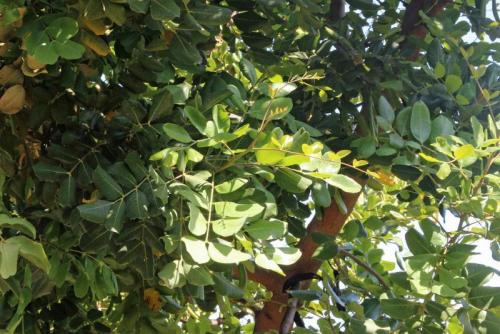
- Carob (Ceratonia siliqua)
- Uploaded by RuuddeBlock
How many years pass before a carob tree starts bearing fruit?
Carob (Ceratonia siliqua) trees typically begin to flower and produce fruit somewhere around six years from seed. Once the pods form, they stay on the tree for roughly eleven months as they mature and darken for harvest. The tree reaches a mature height of thirty to forty feet. This is a significant commitment in time and space, but carob is worth growing if you live where it survives outdoors: the pods are an edible food crop, rich in sugars and used as a chocolate substitute or animal feed.
Here's where seed-grown trees get complicated: carob is dioecious, meaning most trees are either male or female. A male tree flowers but produces no fruit; a female tree needs pollen from a male to set fruit. If you grow a single seedling of unknown sex, you may spend six years or more only to learn it does not produce, or produces without a second tree nearby to pollinate it. Grafted selections that are hermaphrodite or self-fertile do exist and are commercially available, and they are worth seeking out if you are planning a container tree or have limited space. A grafted tree also fruits somewhat sooner than one grown from seed.
I've started carob seeds but I live where winters are too cold. Can I grow them indoors or in a container?
Carob cannot survive outdoors in climates colder than zone 9 or 10. If you are in a region with winter freezes, the answer to outdoor cultivation is no. The seedlings you have started will not survive winter outside. That does not mean you cannot grow carob at all.
A carob tree can be grown in a large container and moved indoors during winter, or kept in a greenhouse or conservatory in climates where it cannot overwinter in the ground. This requires a container at least twenty-five gallons for a young tree, larger as it grows, and well-draining soil. In the growing season, the tree tolerates moderate drought and does not demand frequent water. In winter, it needs a cool location indoors where it receives good light and is kept quite dry, as overwatering cold dormant carob invites root rot. This is manageable but demanding: you are asking to shift a progressively larger and heavier tree in and out of doors twice yearly.
The second complication is the same one that faces anyone growing carob from seed: your seedlings are of unknown sex. If one is male and it remains your only tree, it will flower after five to eight years and produce nothing. The honest answer is to plan either on raising multiple seedlings and accepting that some may be males you discard after they flower, or on seeking a grafted hermaphrodite or self-fertile selection, which costs more but eliminates the sex gamble entirely.
