


Today’s hives are made of wood or plastic. They come in various sizes and contain either 8 or 10 frames in each hive box. The modern standard hive in America was invented by L. L. Langstroth in 1851. It is a movable frame hive that allows a beekeeper to inspect the bees and harvest honey easily.
The modern hive consists of the following parts.
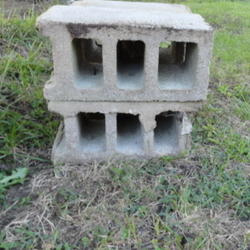
Hive stands raise your hive off the ground and allow for better air circulation. They eliminate a lot of bending over the hive.
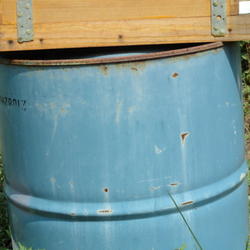
Hive stands can be made of any sturdy material that will hold up several hundred pounds of hive bodies and honey combined. The most common materials are wood, cinder blocks, and barrels.
If you use a hive stand, it should raise the hive off the ground 2 to 3 feet. How high you need your stand will depend on what makes for the most comfortable experience when working the hive and lifting heavy supers for you.
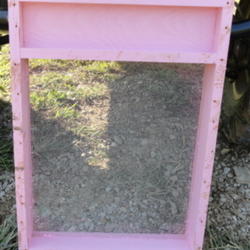 First is the bottom board. These come in two styles; solid and screened. Both styles have their fans in the beekeeping world. The main advantage of screened boards over solid boards is mite control. Mites drop through the screened bottom and can’t get back in the hive. Screened bottom boards also provide extra ventilation.
  Hive bodies come in 3 sizes; shallow, medium and deep. Medium and deep sizes are most commonly used for the brood nest area. The first hive body is set on the bottom board and secured with either nails or clips. The second hive body is just set on top of the first one.
The frames are inserted in the hive body. They are wooden or plastic frames that have foundation comb inserted. The foundation comb is made of beeswax and helps speed up the honey bee's work when making comb.
A note of caution here; hive parts vary from manufacturer to manufacturer so when you find a good source be sure to get all your parts from that manufacturer. This will allow you to interchange hive bodies and frames without any problems with ill - fitting parts
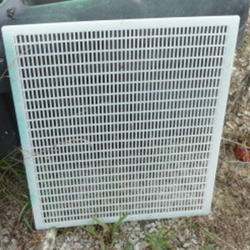
If you want the cleanest honey possible, no bee parts or odd taste from brood comb etc, use a queen excluder.
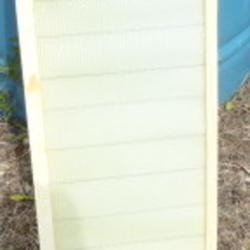 This is just an inexpensive screened frame that fits over the top of the second hive body. It keeps the queen and drones out but let’s the workers go through to store the extra honey in the honey supers. Queens will lay eggs in all the combs if you don’t confine her to the bottom hive bodies.
Honey supers go on next. Like the brood nest boxes they come in three sizes, shallow, medium and deep. Most commonly used is the medium size. They look identical to the brood nest boxes and are interchangeable when ordered from the same supplier. Shallow supers are most commonly used for comb honey. The frames in the honey super are the same as what is in the brood nests.

| Thread Title | Last Reply | Replies |
|---|---|---|
| Wonderful article by flaflwrgrl | Oct 25, 2011 4:57 PM | 8 |




 Printer friendly version