

What Are Annuals?
An annual is a plant that completes its entire life cycle, from germination through flowering and seed production, in a single growing season. What makes annuals so appealing to gardeners is their remarkable productivity. Once they start flowering, many keep it up non-stop for the rest of the season, delivering months of continuous color with relatively little effort.
When gardeners talk about "annuals," they're often referring to a mix of true annuals and tender perennials. True annuals, like cosmos and nasturtiums, are plants that naturally live only one season. But some familiar "annuals," such as snapdragons, petunias, and impatiens, are actually tender perennials: plants that would live for multiple years in mild climates but aren't winter-hardy in most regions. For practical garden purposes, both true annuals and tender perennials are treated the same way: planted anew each spring and enjoyed until frost.
The true annuals divide into two groups based on their frost tolerance. Hardy annuals, such as larkspur and bachelor buttons, can tolerate light frost and can go in the ground as soon as spring soil can be worked. Tender annuals, like nasturtiums and cosmos, need to wait until after the last spring frost date has passed before planting outdoors.
Why Grow Annuals
Annuals offer several advantages that make them invaluable to any gardener:
- Instant gratification: They flower quickly and bloom prolifically all season long without requiring years of establishment like perennials.
- Affordability: Whether you buy seedlings or grow from seed, annuals are among the least expensive plants available.
- Design flexibility: Because you replant anew each spring, you can experiment with fresh color schemes, new varieties, and different combinations each year.
- Versatility: There's an annual for virtually every garden situation, from scorching sun to dense shade, wet soil to dry, tall borders to ground-hugging edgings.
- Cut flowers: Annuals produce flowers abundantly and continuously, making them ideal for cutting gardens and fresh arrangements.

- Sweet Alyssum (Lobularia maritima)
- Uploaded by Zencat
Choosing Annuals for Your Garden
Sun and Shade
The most important decision is matching the annual to the light conditions in your garden. Most annuals thrive in full sun (6 or more hours of direct sunlight daily), and you'll see the widest selection of choices for sunny locations.
Sun-loving annuals include the classic favorites: snapdragons, salvias, zinnias, marigolds, calendula, cosmos, gazania, and geraniums. When designing a sunny garden, you can combine trailing varieties like ivy geraniums and bacopa at the edges with upright plants like red salvia and nemesia in the center of beds or containers for a dynamic layered effect.
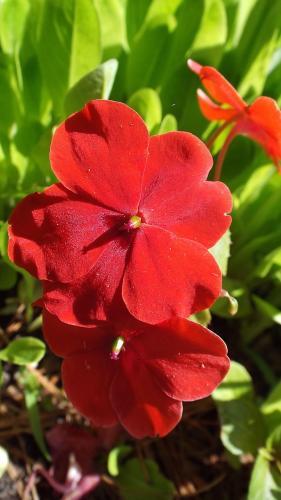
If your garden is shaded, don't despair. Your selection is smaller but still quite good. Shade-loving annuals include impatiens and begonias, which are the most commonly grown shade annuals. Both adapt beautifully to hanging baskets, containers, and shaded garden beds, and many varieties offer colorful foliage along with their flowers. Impatiens come in mounded forms perfect for small beds, trailing varieties that cascade from window boxes, and taller New Guinea impatiens with variegated leaves. Wax begonias grow 6 to 12 inches tall with white, pink, or red flowers and green or bronze leaves. Other shade options include browallia, coleus (grown primarily for foliage), and caladiums.
Both impatiens and begonias prefer consistent moisture and don't require frequent deadheading. They perform best when protected from the hottest afternoon sun, particularly in warmer regions.
Low-Maintenance Annuals
If you're looking for annuals that ask little of you beyond planting and occasional watering, several varieties are nearly self-sufficient.
For sun: Angelonia produces flowers in pink, white, purple, or lavender on self-branching spikes that essentially self-deadhead as flowers naturally shrivel when spent. Scaevola (blue fan flower) is another self-deadheading trailing annual in cool periwinkle blue or butter yellow that softens container edges. Euphorbia 'Diamond Frost' creates an ethereal cloud of tiny white flowers that works equally well in sun or part shade, linking contrasting colors and textures together.
For shade: Coleus (Solenostemon) offers season-long color from foliage rather than flowers, with leaves ranging from large (Kong series) to small, in combinations of variegated, spotted, swirled, or solid colors in greens, reds, purples, and pinks. Originally shade plants, many newer coleus varieties thrive in full sun as well. Browallia starts modestly in spring but fills in as the season warms, producing abundant 1-inch tubular flowers in pure white or soft blue that close and drop off without deadheading required. Caladiums provide colorful, heart-shaped leaves with pink, white, and red variegations (or chartreuse with white and red spots) in 12 to 24-inch plants that need only adequate moisture and protection from harsh winds.
Heirloom Annuals
Heirloom annual flowers are open-pollinated varieties that have been grown for at least 50 years. Unlike modern hybrid varieties, you can save seeds from heirloom annuals and grow the same flowers next year. More importantly, heirlooms have co-evolved with native pollinator species over generations, making them excellent sources of nectar and pollen for bees, butterflies, and other beneficial insects.
Heirloom annuals often possess traits modern hybridized varieties have lost in pursuit of compact, uniform plants. Many heirloom varieties have intense fragrance that can fill a garden or even a room. Sweet peas, nicotiana, heliotrope, stocks, four o'clocks, and verbena are heirloom classics prized for their fragrance. Modern versions of these flowers might be more compact or disease-resistant, but rarely match the intensity of scent.
Popular heirloom annuals include:
- Sweet Peas: Fragrant heirloom varieties like 'Old Spice Mix', 'Cupani', and 'Painted Lady' offer intense perfume and diverse flower colors. These vining plants love cool spring and fall weather.
- Nicotiana sylvestris: The heirloom flowering tobacco grows tall with long-throated, jasmine-scented white flowers beloved by pollinators and hummingbirds.
- Verbena bonariensis: This tall heirloom grows 4 feet high with purple flowers that attract pollinators generously.
- Nigella damascena (Love in a Mist): A whimsical annual with airy foliage and uniquely shaped flowers in blue, purple, pink, and white. Makes excellent dried flowers.
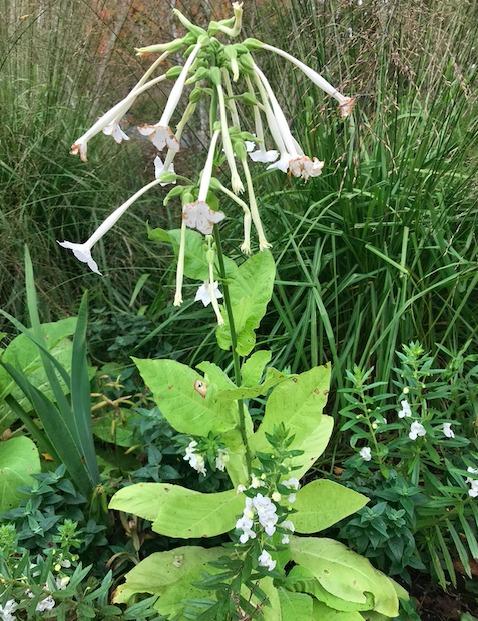
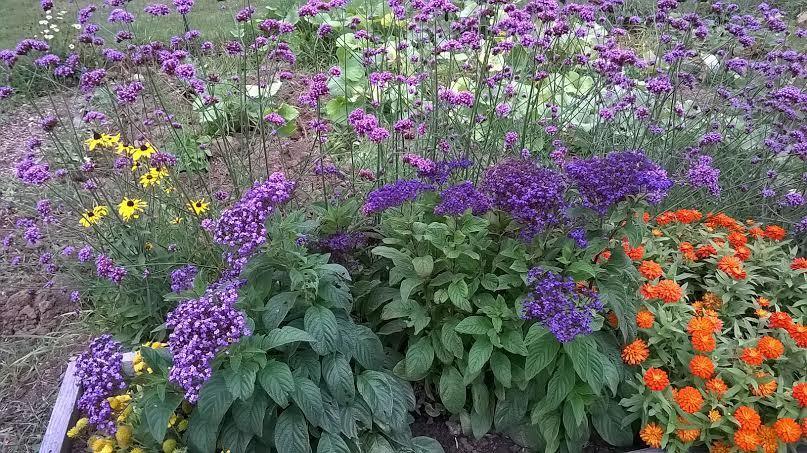
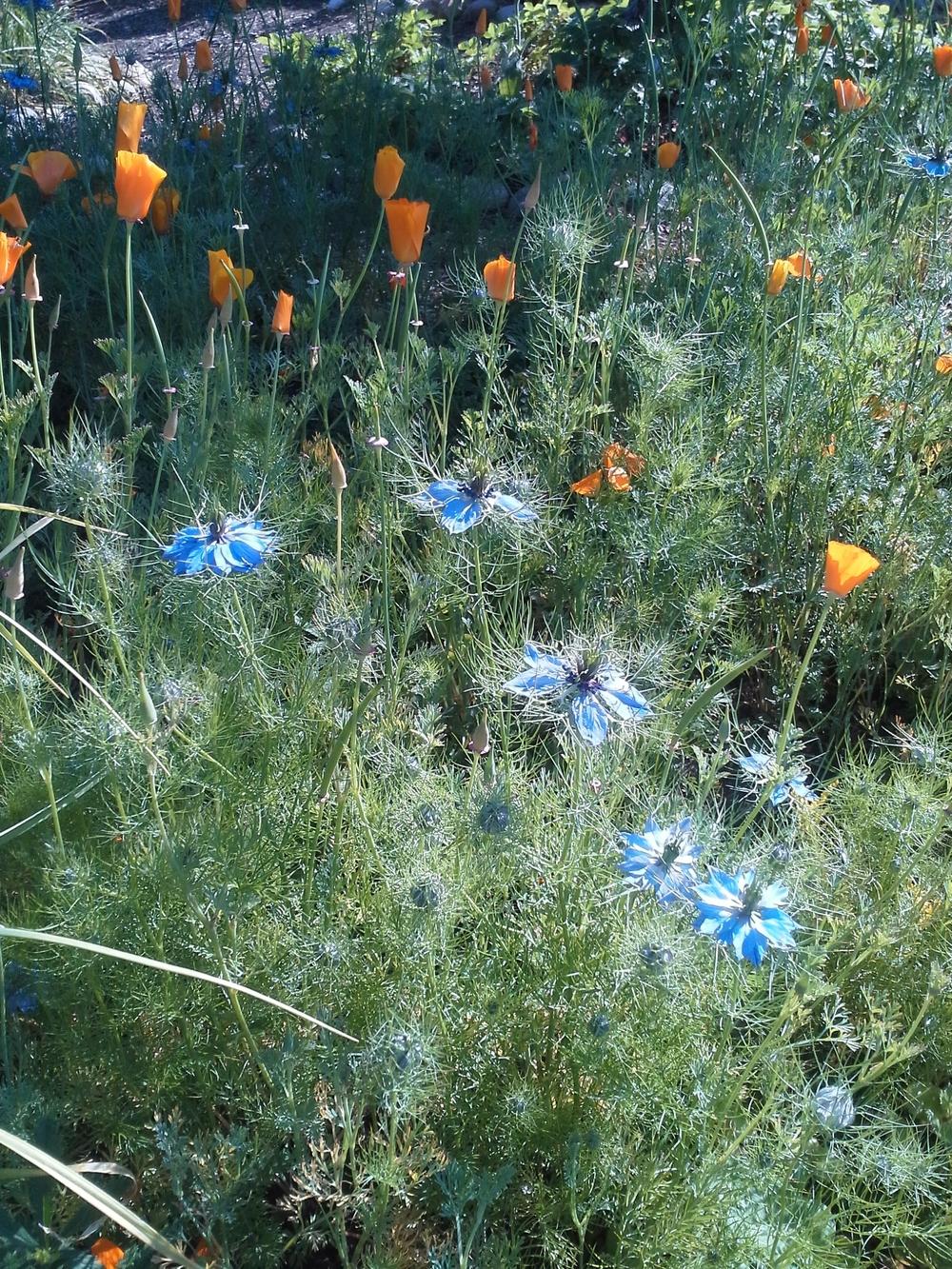
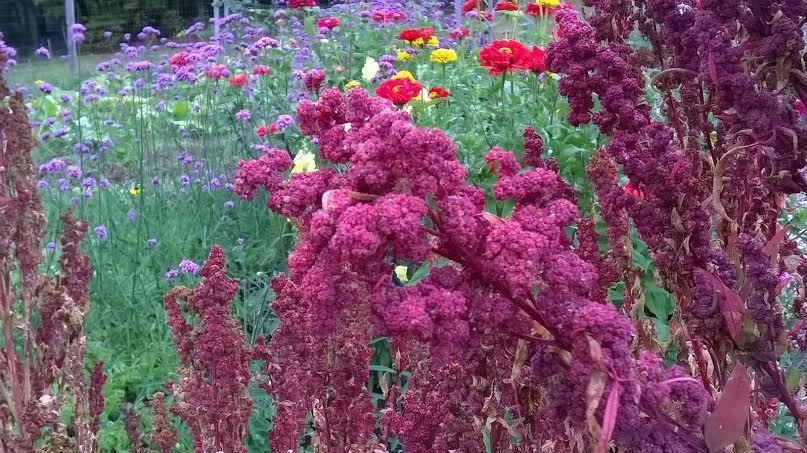
- Amaranth: Heirloom varieties include 'Love Lies Bleeding' (4 feet tall with cascading burgundy flowers) and numerous cultivars with varied flower head colors. These produce edible seeds.
Growing at least some heirloom annuals supports pollinator populations and adds genetic diversity to your garden, as cross-pollination between plants creates new color variations year to year.
Designing with Annuals
Mass Planting for Impact
When you want annuals to make a bold statement visible from a distance, mass planting is your strategy. Choose varieties with large flowers and bold, saturated colors. Purples, hot pinks, reds, oranges, and yellows draw the most attention, while pastels and whites are best appreciated up close.
Plant masses of a single color or in broad swaths rather than mixing colors, which diminishes the bold effect. Space plants closer than label recommendations suggest, typically 8 inches apart instead of 12 inches, to create a lush, continuous display. Choose a location with good visibility from walkways, roads, and your house.
Don't limit yourself to flowering annuals. Foliage annuals such as coleus and alternanthera provide colorful leaves that brighten shady spots where bold flowers won't bloom.
Succession Planting
In regions with hot summers or mild winters, succession planting extends your annual display throughout the year by replacing tired cool-season plants with heat-lovers, then switching again for fall.
Cool-season annuals prefer temperatures below 80°F and excel in spring and fall. Snapdragons produce stately flower spikes in a multitude of colors on plants 1 to 2 feet tall (or trailing varieties for containers). Petunias come in low-spreading or upright forms in nearly every color but true blue. Dianthus (pinks and carnations) are 10 to 20-inch plants with jewel-colored flowers in cherry, salmon, rose, lilac, and white. Violas and pansies are the classic early spring and late fall annuals, with both "faced" varieties and solid colors available. Garden mums round out the cool season with fall color and range from compact to tall forms.
Heat-loving annuals include verbena, nicotiana, pentas, zinnia, and marigolds that thrive when summer temperatures soar. In regions like Zones 7 to 8, gardeners can replant a fall crop of cool-season annuals in mid-August to extend the flowering season into winter. Research on fall plantings shows that selecting robust 4-inch transplants and spacing them 8 inches apart delivers better color through frost.
To execute succession planting effectively:
- Remove spring-planted cool-season flowers by early summer before they yellow and stop flowering.
- Plant summer annuals in their place, being careful not to disturb any remaining spring bulb or perennial roots.
- By late summer, remove tired heat-loving annuals to give fall plantings time to establish before frost.
Cutting Gardens
Annual flowers are excellent for cutting because they bloom continuously and prolifically throughout the season. Several annuals make particularly good cut flowers, including cleome, cosmos, celosia, scabiosa, sunflower, snapdragon, stock, sweet pea, zinnias, and China aster. For guidance on growing a cutting garden and maximizing vase life, see our article on growing a cutting garden.
Planting Annuals
Starting from Seed Outdoors
Direct seeding annuals in the garden is the simplest approach for quick-growing varieties and those that resent transplanting, such as poppies, zinnias, sunflowers, cosmos, nasturtiums, and morning glories.
To prepare a seedbed:
- Clear any plant debris and old mulch from the previous season.
- Loosen soil with a garden fork to a depth of 6 inches or more.
- Mix in 1 to 2 inches of compost or other organic material and a complete granular fertilizer following package directions.
- Rake the bed smooth and water thoroughly the day before planting.
- Scatter small seeds lightly over the area or place larger seeds individually at the depth recommended on the seed packet.
- Cover with soil to the proper depth, firm gently, and keep moist but not soggy until seedlings emerge.
- When seedlings are a couple of inches tall, thin to the recommended spacing by snipping out surplus plants at soil level with scissors (rather than pulling, which disturbs nearby roots).
Starting from Transplants
Buying nursery-grown seedlings is faster and requires less space than indoor seed starting. Choose robust plants with unopened flower buds, bright green foliage, and no signs of insects or disease.

- New Guinea Impatiens (Impatiens hawkeri)
- Uploaded by ILPARW
Hardening off: If your seedlings were grown indoors or in a greenhouse, they need 7 to 10 days of gradual acclimation to outdoor conditions. Place potted plants in a sheltered spot away from strong wind and direct sun initially. Each day or two, move them to a more exposed location. Bring them inside if frost threatens. (Seedlings acclimated at the nursery can go directly into the garden.)
Preparing the planting bed: Use the same preparation as for direct seeding, incorporating organic material and fertilizer into well-loosened soil.
Planting: Water transplants a few hours before planting. Determine spacing by reading plant labels (plants should barely touch when mature). Scoop a hole slightly larger than the pot. Tip the pot and gently tap or squeeze to remove the plant without pulling on the stem. Gently untangle any circling roots. Set the plant at the same depth as it grew in its pot, spread the roots, and firm soil gently around them. Water immediately with a gentle spray to settle the soil.
Mulching and care: After plants resume active growth, apply a 2 to 3-inch layer of organic mulch such as bark or pine needles to conserve moisture and suppress weeds. If possible, plant on a cloudy day or in early evening to minimize wilting.
Indoor Seed Starting
Starting annuals indoors 4 to 6 weeks before the last spring frost date gives you earlier blooms and a wider selection of varieties. Fill pots or flats with pasteurized, lightly moistened seed-starting mix. Sow seeds at the depth recommended on the packet. Cover containers with plastic to maintain humidity, but remove the cover as soon as germination begins. Provide bottom heat from heat mats if available, which speeds germination. Grow seedlings under grow lights (LED or fluorescent) or in a sunny window. Water from below when needed.
Once outdoor temperatures begin to warm in spring, harden off seedlings by gradually exposing them to outdoor conditions over 7 to 10 days before planting.
For more detailed guidance on seed-starting techniques and timing, see Seed Starting.
Season-Long Care
Watering
Although some annuals are drought-tolerant, most perform best with consistent moisture. The soil should be allowed to dry out slightly between waterings but should never become completely dry. To minimize disease, water the soil rather than the foliage when possible. Container-grown annuals need more frequent watering than garden beds and must have drainage holes. Container annuals may need daily watering in hot weather.
Fertilizing
Provide a complete fertilizer at planting time, working it into the soil. Since annuals are expected to flower heavily over a short period, apply a complete fertilizer (such as 10-10-10) once monthly throughout the growing season. Follow label directions for application rates. Container annuals may need fertilizer more frequently than garden-grown plants.
Deadheading
The most important maintenance chore is deadheading (removing spent flowers before they can set seed). Once flowers mature and set seeds, the plant believes its work is done and flowering slows dramatically. Removing faded flowers signals the plant to keep producing new blooms. Deadhead regularly throughout the season by pinching or snipping spent flowers.
Some annuals benefit from pinching the growing tip when young to encourage branching and bushier, more compact growth. Ask nursery staff whether the varieties you've selected naturally branch or benefit from pinching.
Pest and Disease Management
Inspect your annuals daily. Catching pest and disease problems at the first sign of damage makes control much easier. Early intervention often allows you to solve problems with simple, non-toxic methods like hand-picking beetles or spraying aphids with water. Once pests or diseases are well-established, stronger controls become necessary.
Extending the Season
Cool-Season Strategies
In regions with hot summers, cool-season annuals like pansies and snapdragons may decline by early summer. Rather than pulling them out and replanting, use succession planting to refresh the bed with heat-loving annuals, then plant cool-season annuals again in late summer for fall and winter color.
In Zones 7 to 8, planting annuals in mid-August creates a fall crop that flowers through the first frost. Research shows that mid-August planting is optimal for fall color in these regions, with 4-inch transplants spaced 8 inches apart delivering the most vivid display.
For comprehensive fall garden preparation, see Fall Garden Care.
End of Season
As frost approaches and annuals decline, rather than pulling plants entirely, cut them off at soil level. Leave the roots in place to decompose and add organic matter to the soil. This feeds your soil and saves you labor. Then begin planning next year's color combinations and evaluating which annuals performed best in your conditions.
Container Growing
Annual flowers are perfect for containers, hanging baskets, and window boxes. Combine trailing varieties with upright plants for a dynamic look. For example, pair red salvia with trailing white snapdragon, white nicotiana with cascading pink diascia, or nemesia with trailing white bacopa. For detailed information on container culture, see Container Gardening Basics.
Choosing Varieties
With hundreds of annual varieties available, selecting which to grow can feel overwhelming. For guidance on evaluating and choosing plant varieties suited to your conditions, see Choosing Plant Varieties.
Specific Annual Guides
For detailed growing information on individual annuals, explore our how-to-grow guides:
