


Few dining pleasures compare to the taste of a freshly harvested vegetable still cool from the soil, except perhaps the thrill of knowing you grew it yourself. When you garden, recipes spring naturally from what's ready to pick. The ingredients, rather than a written plan, inspire the cooking. Once you've gathered the harvest, the herb patch becomes your spice rack, and a simple meal transforms into a work of art.
This guide collects recipes and techniques for cooking with garden produce, organized by crop and cooking method. Whether you're working with a surplus of tomatoes, planning what to do with winter squash, or discovering new uses for herbs, you'll find proven recipes that celebrate fresh, homegrown flavors.
Working With Fresh Herbs
Fresh herbs are among the most satisfying plants to grow because they enhance recipes with vibrant color, texture, and aroma. Unlike dried herbs, which can be bitter and intense, fresh herbs are subtle and complex. A small gathering of dill, sprigs of rosemary, or a rosette of basil can transform a simple salad or bowl of pasta into something special.
Most culinary herbs thrive with light-handed care. Many actually lose their essential oils when pampered with constant feeding and water. Mediterranean herbs like thyme, oregano, and marjoram prefer well-drained soil that stays on the dry side. You don't need an in-ground garden; herbs do remarkably well in containers on a deck or in window boxes. Plant basil, summer savory, and dill for summer annuals; keep perennials like chives, rosemary, and sage for year-round harvests. Frequent harvesting encourages new growth, so pinch the tops before flowers appear to keep plants bushy and productive.
In the kitchen, treat basil and other leafy herbs like a fresh bouquet. Harvest in the morning and place them in a jar of water on the counter. For herbs you'll use later, wrap parsley, dill, and cilantro in a moist paper towel and refrigerate them. Basil should be wrapped in plastic to prevent the leaves from turning black. For drying, trim leaves from woody-stemmed herbs like rosemary and thyme, bundle the stems together, and hang them upside down in a warm, dry place.
Creamy Pesto Pasta
If you grow basil, you must make pesto, and if you make pesto, you must pour it over pasta. This simple recipe celebrates both the herb and the tomato.
Ingredients (Serves 4)
- 1 pound fresh basil leaves
- 2 cups garlic, minced
- 1 cup olive oil
- 1 cup Parmesan cheese, grated
- 2 tablespoons lemon juice
- 2 pounds fresh, ripe tomatoes, chopped
- 1 pound pasta
Blend the basil, garlic, olive oil, cheese, and lemon juice until smooth. Toss with hot pasta and fresh tomatoes. Serve immediately.
Making Homemade Stock
Homemade stock is invaluable in a creative kitchen. Keep these traditional versions on hand as bases for soups and sauces. Both recipes keep up to three months frozen, and you control the salt content. Store-bought broths, while quick, are often high in sodium.
Stock offers nutritional benefits beyond convenience. Chicken stock contains cysteine, an amino acid that's a close relative of compounds used to treat respiratory and virus infections. There's also evidence that chicken stock relieves symptoms of rheumatoid arthritis. With a good stock in the freezer, you're ready to build almost any soup or sauce.
Chicken Stock
Preparation time: 2 to 2.5 hours | Makes: 4 to 5 cups
Ingredients
- 1 tablespoon canola or safflower oil
- 1 medium carrot, thickly sliced
- 1 stalk celery, thickly sliced
- 1 large onion, coarsely chopped
- 6 cups water
- 1 small chicken (about 3 pounds), cut into 4 pieces, skin and excess fat removed
- 1/4 cup coarsely chopped parsley, including stalks
- 1 bay leaf
- 6 black peppercorns
- 2 whole cloves
- Freshly ground white pepper to taste
Heat oil in a heavy-bottomed 6 or 8-quart saucepan over medium heat. Add carrot, celery, and onion. Reduce heat to medium-low, cover, and cook, stirring often, until the onion is golden, about 10 minutes.
Add water, chicken, parsley, bay leaf, peppercorns, and cloves. Bring to a boil over high heat. Reduce heat and simmer, partially covered, until chicken is tender and broth has developed good flavor, 1.5 to 2 hours.
Remove from heat and cool slightly. Remove chicken and strain the stock through a cheesecloth-lined sieve. The cooked chicken meat can be used for sandwiches or added to soup. Discard solids. Skim off surface fat with a spoon and paper towels; season with white pepper. If not using immediately, cool to room temperature, then chill, covered, for about 3 hours or overnight. The remaining fat will solidify on the surface and can be spooned off.
To concentrate flavor, boil stock rapidly, uncovered, for 5 minutes over high heat. Store, covered, in the refrigerator for up to three days or in the freezer for up to three months.
Nutritional Analysis (per cup): 13 calories, 0.5 g protein, 1.2 g fat, 1 mg sodium, 0.3 g carbohydrate, 0.2 mg iron, 0.8 mg cholesterol
Vegetable Stock
Preparation time: 2 to 2.5 hours | Makes: 4 to 5 cups
Ingredients
- 1 tablespoon canola or safflower oil
- 2 medium carrots, thinly sliced
- 2 stalks celery, thinly sliced
- 1 large onion, coarsely chopped
- 1 cup cubed turnip or butternut squash
- 6 cups water
- 1 cup coarsely chopped mushroom stems (optional)
- 1/4 cup coarsely chopped parsley, including stalks
- 1 bay leaf
- 6 black peppercorns
- 2 whole cloves
- 1 tablespoon yeast extract or miso
- About 1/2 teaspoon freshly ground white pepper
Follow the instructions for Chicken Stock, adding the turnip or squash with the onion and omitting the chicken. When the broth has developed good flavor, 1.5 to 2 hours, add yeast extract or miso and stir until it dissolves. Store, covered, in the refrigerator for up to five days or in the freezer for up to six months.
Nutritional Analysis (per cup): 9 calories, 0.03 g protein, 1 g fat, 93 mg sodium, 0.07 g carbohydrate, 0 mg iron, 0 mg cholesterol
Root Vegetables
Root vegetables offer a wide range of flavors and textures. Carrots, parsnips, turnips, potatoes, and onions form the foundation of countless dishes. Celery root is an intense, pungent version of familiar celery stalks. Alliums like onions, garlic, shallots, and leeks are not only high in sugar but also in allyl sulfide, the compound that delivers their characteristic bite. The fierce sting of horseradish, the nutty overtones of Jerusalem artichokes, and the peppery flair of radishes round out a gardener's underground vegetable palette.
Most root vegetables can be grown throughout the United States and stored for weeks or months. Few pleasures compare to the taste of a freshly dug potato with the scent of earth still on it, or a pulled carrot still cool from the soil.
Roasted Roots Platter
This recipe showcases nine underground vegetables roasted with herbs and olive oil. The result is even better than the sum of its parts.
Ingredients (Serves 6 to 8)
- 6 large carrots, about 1.5 pounds total
- 6 medium parsnips, about 1.5 pounds total
- 6 large leeks
- 6 green onions
- 12 small young turnips, about 1 pound total
- 12 small new potatoes, about 1 pound total
- 8 shallots
- 6 red onions, about 2.5 pounds total
- 20 cloves garlic, about 2 heads
- 3/4 cup olive oil
- 1 teaspoon salt
- 1 to 2 tablespoons freshly ground black pepper
- 8 thyme sprigs, 6 inches long
- 8 rosemary sprigs, 6 inches long
- 8 winter savory sprigs, 6 inches long
Preheat the oven to 350 degrees F. Peel carrots and parsnips. Cut carrots into 2-inch lengths. Cut parsnips in half crosswise, separating the tapering root end from the thick upper portion; cut the upper portion in half lengthwise. Cut off all but 1/2 inch of the green part from the leeks (save the greens for soup or broth). Cut the remaining white portion of each leek into 2 pieces. Cut off and discard all but 2 inches of the green part of the green onions. Remove leaves from the turnips, leaving a 1/2-inch stub. Trim the potatoes but do not peel. Peel the shallots, but do not cut off the root ends. Peel the red onions, leaving root ends intact; quarter them lengthwise. Peel the garlic cloves and leave them whole.
Put the olive oil, salt, pepper, and herbs in a large bowl or shallow baking dish. Add the vegetables and toss until well coated with oil and seasonings. With a slotted spoon or tongs, arrange vegetables in a single layer on 2 rimmed baking sheets or in a large, shallow roasting pan. The vegetables will caramelize better on baking sheets. Reserve the oil mixture.
Roast vegetables for 30 minutes. Turn them and baste with some of the reserved oil mixture, then add the green onions. Continue roasting, turning once or twice and basting with more oil if desired, until all vegetables are easily pierced with a fork, 30 to 45 minutes longer.
Remove roots from the oven and arrange on a platter. Serve hot or at room temperature.
Potatoes With Mint and Garlic
The combination of mint and garlic, along with a little olive oil, creates a wonderful unexpected accompaniment to boiled potatoes. This dish can be served at room temperature or chilled.
Ingredients (Serves 6 to 8)
- 3 pounds new potatoes or small yellow fingerlings
- 1.5 teaspoons salt
- 1/2 cup olive oil
- 2.5 tablespoons wine vinegar
- 1 tablespoon water
- 2 teaspoons Dijon mustard
- 2 tablespoons mayonnaise
- 2 cups mint leaves
- 4 to 6 cloves garlic, peeled
Boil the potatoes in salted water until just tender, approximately 20 minutes. While potatoes are boiling, process olive oil, wine vinegar, water, Dijon mustard, mayonnaise, mint leaves, and garlic cloves together in a blender. Process on and off until the mint and garlic are finely chopped.
Drain cooked potatoes and place in a large bowl. Immediately pour the dressing over the potatoes and mix well. Allow to sit for one hour or more before serving.
Additional Root Vegetable Recipes
Parsnips can be roasted alongside other root vegetables or prepared in a parsnip-rhubarb soup that's particularly good. Try the combination of tart rhubarb tempering sweet parsnips. Rosemary Roasted Potatoes are another excellent variation; simply toss potatoes with olive oil, fresh rosemary, salt, and pepper, then roast until golden and tender.
Leeks and their relatives can be prepared in several ways. Leek, celeriac, and potato soup makes an elegant dish, especially when made with tender leeks harvested in late fall. Carrot-Ginger Soup is another winner; use sweet carrot varieties and let the fresh ginger provide warmth and aroma.
Soups and Simple Preparations
A good soup becomes a complete meal with just bread and a salad. Harvest soups draw from the garden at its peak, while other preparations showcase single ingredients at their best.
Vegetable and Bean Harvest Soup
This hearty soup combines dried beans with fresh fall vegetables. It improves with time and stores well, making it ideal for feeding a crowd or having lunch ready for several days.
Preparation time (not including soaking): 1.5 hours | Serves 6 to 8
Ingredients
- 1 cup dried beans, soaked 6 to 24 hours in cold water, then strained and rinsed
- 8 cups water
- 1/2 cup dry vermouth or white wine
- 2 cups chopped leeks (3 to 4 leeks plus tops; see note)
- 2 cups diced turnip (2 small or 1 medium)
- 1.5 cups diced daikon or radish
- 2 tablespoons salt
- 1 tablespoon freshly ground pepper
In a large soup pot, combine the soaked beans, water, vermouth or wine, leeks, turnip, daikon, salt, and pepper. (To clean leeks, cut down the middle so they open like a fan; wash well under cold running water and use your fingers to remove all dirt.) Bring to a boil, then reduce heat to low and cook for 50 minutes.
Add:
- 2 cups finely chopped cabbage (green or Chinese)
- 1 cup diced tart apple
- 1 cup fresh or frozen whole cranberries
- 1/2 cup balsamic vinegar
Cook another 10 minutes and adjust seasoning. The soup may be served immediately or held for later use. The addition of apples and cranberries gives this soup a decidedly fall look and flavor.
Kale-Sausage Soup
Using tender lacinato (dinosaur) kale harvested in fall when leaves are most tender, this soup is warming and satisfying.
For a basic version, sauté diced onion and garlic in a large pot, add diced kale, vegetable or chicken stock, and white beans. Season with salt and pepper. For a heartier version, brown Italian sausage before adding the onions and proceed as above. Serve with crusty bread.
Gazpacho
This cold Spanish tomato soup is perfect for hot summer days and showcases peak-season tomatoes.
Ingredients (Serves 6 to 8)
- 2 cloves garlic
- 2 slices white bread
- 1 cucumber, sliced
- 1/2 green pepper, chopped
- 1/2 cup water
- 1/4 cup olive oil
- 2 pounds ripe tomatoes
- Salt and pepper to taste
- Chopped parsley or croutons for garnish
Blend all ingredients except garnish until smooth. Chill thoroughly before serving. Top with additional chopped vegetables or croutons.
Tomatoes and Nightshades
Tomatoes hold a special place in the kitchen garden and on the dinner table. A surplus of tomatoes calls for creative solutions, from savory main dishes to bread and quiches.
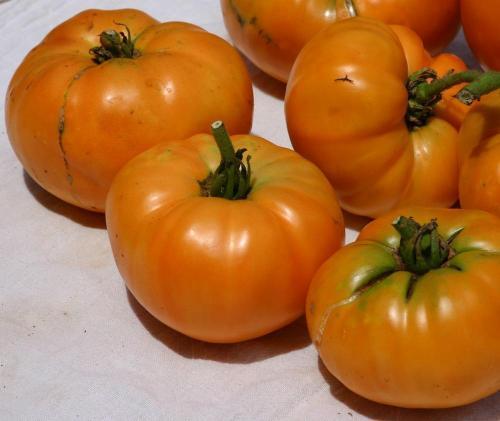
Stuffed Tomatoes
This simple dish transforms whole tomatoes into individual servings.
Ingredients (Serves 6)
- 6 firm, red tomatoes, 3 to 4 inches in diameter
- 1/2 pound sausage meat, lean chopped beef, or ground turkey
- 1 medium onion, finely chopped
- 1 clove garlic, minced
- 1/2 cup bread crumbs
- 1/4 cup Parmesan cheese
- 1 tablespoon olive oil
- Salt and pepper to taste
Cut the tops off the tomatoes and scoop out the centers, reserving the pulp. Brown the meat in a skillet, then add onion and garlic, cooking until softened. Stir in bread crumbs, cheese, reserved pulp, and seasonings. Stuff the mixture into the tomato shells, drizzle with olive oil, and bake at 350 degrees F for 30 minutes until tomatoes are tender but still hold their shape.
Sensational Tomato Quiche
Ingredients (Serves 6 to 8)
- 1 unbaked pie shell
- 1/2 cup chopped onion
- 1/2 cup chopped green pepper
- 1 clove garlic, minced
- 2 tablespoons olive oil
- 2 pounds firm, red, ripe tomatoes, chopped
- 1/2 cup Parmesan cheese
- 2 eggs, beaten
- 1/2 cup heavy cream
- Salt and pepper to taste
Preheat oven to 375 degrees F. Sauté the onion, pepper, and garlic in olive oil until softened. Add tomatoes and cook until most of the liquid has evaporated. Combine eggs and cream; stir in cheese, tomato mixture, salt, and pepper. Pour into pie shell and bake until a knife inserted in the center comes out clean, about 35 to 40 minutes.
Additional Tomato Dishes
Tomato Bread can be made by adding tomato juice, basil, oregano, and ketchup to a bread dough recipe for a flavorful loaf. Scalloped Tomatoes baked with bread crumbs and cheese make an excellent side dish. Spanish Rice Casserole combines rice with stewed tomatoes, onions, and peppers for an easy one-dish meal. Gazpacho, detailed above, provides a cold option for abundant tomato harvests.
Squash and Pumpkins
Squash and pumpkins were introduced to English colonists as new world plants and have been central to American cooking ever since. These versatile vegetables appear in soups, pies, casseroles, and breads.

- Winter Squash (Cucurbita pepo 'Honey Bear')
- Uploaded by pod
Best-Ever Pumpkin Pie
This recipe demonstrates that there is great flexibility in creating a good pumpkin pie. The egg, milk, and pumpkin ratio determines how custardy the pie will be. Don't be afraid to be flexible with the sweetening; adjust the sugar to your preference. If you grow your own pie pumpkins, a fine-grained heirloom like 'Winter Luxury' delivers a smoother filling than a carving pumpkin.

- Pumpkin (Cucurbita pepo 'Winter Luxury')
- Uploaded by dave
Ingredients
- Pie dough for one 9-inch crust
- 2 cups pumpkin puree, well drained (from a 3-pound to 5-pound pie pumpkin)
- 1.5 cups milk (or one 12-ounce can evaporated milk)
- 2 eggs
- 1/2 cup brown sugar (or molasses, or a combination)
- 1 teaspoon cinnamon
- 1 teaspoon ginger
- 1/4 teaspoon freshly grated nutmeg or 1/2 teaspoon ground nutmeg
- 1/2 teaspoon salt
- Rum, bourbon, or vanilla to taste
Preheat oven to 425 degrees F. Line a pie tin with crust. With a mixer or wooden spoon, mix pumpkin, milk, eggs, sugar or molasses, spices, salt, and flavoring. Pour into the pie shell and bake for 15 minutes at 425 degrees F; then reduce heat to 350 degrees F and bake 45 minutes longer or until center jiggles slightly when the pan is shaken. Makes 6 to 8 servings.
Pie Dough for One Crust
- 1/2 cup all-purpose flour
- 1/2 cup whole-wheat pastry flour
- 1/2 cup chilled vegetable shortening, cut into cubes
- Ice water
Toss the flours together in a broad bowl. Cut in shortening with a pastry blender, two knives, or food processor until the mixture looks like coarse meal. Add ice water, 1 tablespoon at a time, tossing the flour and shortening mixture after each addition until a ball of dough begins to form. Chill and roll out to fit a 9-inch pie pan.
Nutritional Analysis (per 6-ounce serving): 250 calories, 12 grams fat, 32 grams carbohydrates, 5 grams protein, 180 mg sodium, 60 mg cholesterol.
Zucchini Bread
Ingredients (Makes 2 loaves)
- 2 eggs, lightly beaten
- 1/4 cup sour cream
- 1.25 cups sugar
- 1 cup vegetable oil
- 2 cups grated zucchini
- 2.5 teaspoons vanilla
- 2.25 cups flour
- 1 teaspoon baking powder
- 1 teaspoon baking soda
- 1 teaspoon salt
- 3 teaspoons cinnamon
- 1 cup walnuts or pecans, chopped
Mix the first six ingredients together. Sift dry ingredients together in another bowl. Combine with zucchini mixture and mix well. Add nuts. Pour into two greased loaf pans and bake at 350 degrees F for 1 hour. Turn out onto wire racks to cool.
Winter Squash Soup
Ingredients (Serves 8 to 10)
- 2 pounds winter squash (butternut or similar)
- 1 cup water
- 1 teaspoon salt
- 1 cup chopped onion
- 1 clove garlic, minced
- 2 tablespoons butter
- 2 cups milk
- 2 cups light cream
- 1/2 cup medium-dry sherry
- Salt and pepper to taste
- Toasted sliced almonds for garnish
Peel, seed, and dice squash. Combine with water and salt in a saucepan. Bring to a boil and simmer, covered, until squash is very tender. Meanwhile, sauté onion and garlic in butter until tender. Puree squash and onions with milk and cream in a blender. Add sherry, salt, and pepper to taste. Heat to serving temperature. Serve garnished with toasted almonds. The soup can be made less rich by varying the proportions of cream and milk to suit your preference.
Additional Squash and Pumpkin Recipes
Summer Squash Medley combines sautéed onion and garlic with zucchini, eggplant, and peppers, then tops with cheese and herbs for a complete side dish. Squash and Apple Casserole layers winter squash with apples, brown sugar, and spices for a sweet-savory side. Baked Stuffed Zucchini hollows out summer squash halves and fills them with a seasoned meat and breadcrumb mixture. Pumpkin Ice Cream Pie uses a vanilla ice cream crust filled with whipped pumpkin mixture spiced with cinnamon and ginger. Roasted Pumpkin Seeds can be saved from any pumpkin; soak in salted water overnight, drain, and roast at 300 degrees F for 25 minutes until golden.
Herbs, Greens, and Elegant Preparations
Fresh herb and greens-based dishes range from simple salads to sophisticated appetizers.
Baba Ganoush
This easy-to-make Middle Eastern recipe combines eggplant, tahini, parsley, nuts, and lemon juice to create a cool, refreshing dip or side dish.
Ingredients (Serves 4 to 6)
- 2 large eggplants, roasted
- 1/4 cup tahini (sesame paste)
- 3 tablespoons lemon juice
- 2 cloves garlic, minced
- 1/4 cup fresh parsley, chopped
- 1/4 cup chopped walnuts or pine nuts
- Salt and pepper to taste
- Olive oil for drizzling
Roast eggplants until very soft. Peel away the skin and mash the flesh. Combine with tahini, lemon juice, and garlic. Fold in parsley and nuts. Season with salt and pepper. Serve drizzled with olive oil.
Grilled Cheese With Caramelized Onions and Fig Confit
A fresh fig is a treat from the garden. This recipe elevates a simple sandwich into something elegant.
Caramelize thinly sliced onions slowly in butter over medium-low heat for 30 to 40 minutes until golden and very soft. Spread fig jam or fresh figs on bread, layer with caramelized onions, add sliced brie, and grill until the cheese melts and bread is golden brown.
Brie Glazed With Kiwi Fruit
The soft, delicate taste of baked brie is complemented by sweet-tart kiwis and savory spices.
Place a wheel of soft brie on a baking sheet. Top with sliced fresh kiwi fruit, sprinkle with a pinch of ground ginger and cinnamon, and bake at 350 degrees F for 10 to 15 minutes until the cheese is soft and beginning to melt. Serve with crackers or bread.
Green Pea Crostini
Crostini means "little toasts" in Italian. These thin slices of toasted bread become an elegant appetizer when topped with fresh peas.
Toss shelled fresh peas with minced garlic, fresh herbs (mint or parsley), a squeeze of lemon, and a drizzle of olive oil. Spoon onto toasted bread slices and serve immediately.
Practically Perfect Picnic Salad
Grapes can be eaten in more ways than in fruit salad or pie. This simple summer salad combines the sweetness of grapes with fresh greens and a light dressing.
Toss together mixed salad greens, halved grapes, toasted nuts, and fresh herbs. Dress lightly with vinaigrette just before serving.
Fruits and Desserts
Garden-grown fruits transition easily into delightful desserts.
Rhubarb Strudel
One of the best ways to serve rhubarb is in this strudel, made with chopped fresh rhubarb folded into a buttery dough.
Ingredients (Serves 8)
- 2 cups chopped rhubarb
- 1 cup sugar
- 1 teaspoon vanilla
- 1 package phyllo dough sheets
- 1/2 cup butter, melted
- 1/2 cup breadcrumbs
- Powdered sugar for dusting
Mix rhubarb, sugar, and vanilla. Lay out phyllo sheets and brush each with melted butter. Sprinkle breadcrumbs between layers. Add rhubarb mixture to one end and roll tightly. Place seam-side down on a baking sheet, brush with butter, and bake at 350 degrees F for 35 to 40 minutes until golden. Cool slightly and dust with powdered sugar before serving.
German Apple Pancake
Try various heirloom apple varieties when cooking this pancake. This dessert or brunch dish puffs dramatically when it comes out of the oven.
Ingredients (Serves 4 to 6)
- 1/2 cup flour
- 1/2 cup milk
- 4 eggs
- 1/4 teaspoon salt
- 3 tablespoons butter
- 3 cups sliced apples (peeled if desired)
- 2 tablespoons sugar
- 1/2 teaspoon cinnamon
Blend flour, milk, eggs, and salt until smooth. Melt butter in a 12-inch cast-iron skillet over medium-high heat. Toss apples with sugar and cinnamon; scatter them in the butter. Pour the batter over the apples and bake at 425 degrees F for 20 to 25 minutes until puffed and golden. Serve warm.
Persimmon Ginger Pudding
This dessert is similar to a plum pudding and is traditionally served with whipped cream.
Ingredients (Serves 8)
- 1 cup persimmon puree (very ripe persimmons)
- 1/2 cup melted butter
- 1 cup sugar
- 2 eggs, beaten
- 1.5 cups flour
- 1 teaspoon baking powder
- 1/2 teaspoon baking soda
- 1/2 teaspoon salt
- 1 teaspoon ground ginger
- 1/2 teaspoon cinnamon
- 1/4 teaspoon nutmeg
Mix persimmon puree, butter, sugar, and eggs. In a separate bowl, combine flour, baking powder, baking soda, salt, and spices. Fold wet and dry ingredients together just until combined. Pour into a greased 9-by-13-inch baking pan and bake at 350 degrees F for 30 to 35 minutes until a toothpick inserted in the center comes out clean. Serve warm with whipped cream.
Chocolate Violet Cake
Everyone loves chocolate cake. This version calls for violet sugar as a main ingredient, giving it a delicate flavor and aroma touched with the sweetness of these edible flowers.
Ingredients (Serves 12)
- 2 cups violet sugar or regular sugar infused with violet petals
- 3/4 cup butter, softened
- 3 eggs
- 1/2 cup cocoa powder
- 2 cups flour
- 2 teaspoons baking powder
- 1/2 teaspoon salt
- 3/4 cup milk
- 1 teaspoon vanilla
Cream butter and violet sugar until light and fluffy. Beat in eggs one at a time. In a separate bowl, sift cocoa, flour, baking powder, and salt. Alternate adding flour mixture and milk, beginning and ending with flour. Stir in vanilla. Pour into a greased 9-by-13-inch baking pan and bake at 350 degrees F for 35 to 40 minutes until a toothpick inserted in the center comes out clean.
Pawpaw Cookies With Black Walnuts
Pawpaws are excellent in baked goods. Their rich, creamy texture and tropical flavor blend well in cakes, breads, and cookies.
Substitute pawpaw puree for bananas in your favorite cookie or cake recipe. The ratio is typically one part pawpaw for one part banana. Black walnuts add a distinctive nutty flavor.
Building Flavor From Harvest Scraps
Don't waste the trimmings and stems from your cooking. Vegetable tops and scraps make exceptional stocks and broths. Save carrot peels, celery leaves, onion skins, and herb stems in a freezer bag. When the bag is full, add them to a pot of water with a bay leaf and peppercorns, simmer for an hour, and strain. You'll have a flavorful broth perfect for soups and sauces. Overripe tomatoes become gazpacho or sauce. Herb stems bundled and frozen can be steeped in cream to infuse butter or sauces. The gardener's kitchen wastes little.
Related Reading
For information on growing peppers and preparing them fresh off the vine, see Growing Peppers. For more on storing your harvest and preserving produce for later use, those techniques are covered in other garden.org guides. And if you're interested in the culinary uses of dandelion greens and other wild edibles, see Dandelions: Public Enemy or Miracle Cure?.
