

Choosing the right varieties for your garden is one of the most rewarding decisions you'll make as a gardener. With thousands of options available, this guide walks you through the key factors that matter: your growing conditions, plant type, variety characteristics, and proven performance records. Learn to read catalogs like a pro, decode variety descriptions, and understand what award programs really tell you about a plant's potential.
Know Your Growing Conditions
Before you choose a single variety, you need to know your garden. The best variety in the world will struggle if it doesn't match your site.
Sun Exposure
One of the most common causes of plants struggling in the garden is incorrect light. It's important to know how sunlight changes over the spring and summer. As trees leaf out and the sun's angle shifts, what was full sun in spring may become part shade by midsummer.
The standard definitions are:
- Full sun: 6 or more hours of direct sunlight per day
- Part sun: 4 to 6 hours
- Part shade: 1.5 to 4 hours
- Full shade: less than 1.5 hours
Walk your garden at different times of year and observe which areas stay sunny and which fall into shade. Different varieties of the same crop often have different light requirements. Shade-tolerant lettuce varieties will perform well under trees where sun-loving basil will fail.
Hardiness Zone and Season Length
Your USDA Hardiness Zone (based on the 2023 map) determines which perennials and shrubs will survive your winter. Check your zone at the USDA Plant Hardiness Zone Map, then select varieties rated for your zone or colder.
Your growing season length matters just as much. Count the days from your last spring frost to your first fall frost, or look up your local frost dates. If you have a short season (fewer than 120 days), choose early-maturing vegetable varieties. Gardeners with longer seasons can experiment with varieties requiring 150 to 180 days to maturity.
Hybrid, Open-Pollinated, and Heirloom Varieties
Perhaps the most common question from gardeners is whether to plant hybrid or open-pollinated (OP) vegetables, and what role heirloom varieties play. The answer: both types have real merits, and both deserve space in your garden.
Understanding the Difference
Open-pollinated (OP) varieties reproduce themselves naturally through cross-pollination between plants or self-pollination within flowers. Beans, lettuce, peas, and tomatoes are largely self-pollinating and don't require isolation to maintain their genetics. Corn, brassicas, carrots, and squash are cross-pollinating and will cross with other varieties if planted nearby, but home gardeners rarely save seed from these crops.
The key advantage: if you save seed from an OP plant and grow it the next year, it will come true to type. The plants in the next generation will resemble the parent plants.
Hybrid (F1) varieties result from intentional crosses between two different parent plants. Commercial breeders carefully control this cross to create plants with specific traits. Hybrid seeds are more expensive to produce, and seed companies have exclusive rights to them, which is why hybrid seeds cost more than OP seeds.
The critical fact for home gardeners: seeds saved from a hybrid plant will not produce plants like the parent. The offspring will revert to the grandparents' characteristics and may look quite different. If you want to save seed from year to year, stick with OP varieties.
Hybrid Vigor and Performance
Hybrids often show "hybrid vigor," meaning they're more vigorous, uniform, and productive than OP varieties. They typically germinate faster and more uniformly, emerge more strongly from cool soil, and tolerate stress better. This is especially valuable in short-season regions where early vigor can mean the difference between success and failure.
However, not all crops benefit equally. Broccoli and sweet corn show marked hybrid advantages. For squash, melons, cucumbers, and tomatoes, the difference between hybrid and OP vigor is often less dramatic.
Heirloom and Veteran Varieties
Heirloom varieties are typically OP varieties dating to before World War II. They carry history, often with documented origins and family stories. Many gardeners love them for their superior flavor and uniqueness, especially in tomatoes.
Heirloom varieties aren't inherently disease-resistant or high-yielding compared to modern cultivars. If an heirloom tomato produces only six to eight ripe fruits per season, that's a real trade-off some gardeners make willingly in exchange for exceptional flavor. Others prefer higher yields and disease resistance.
Saving Seed From Your Garden
If seed-saving interests you, OP and heirloom varieties are your only choice. Self-pollinating crops like beans, lettuce, peas, and tomatoes are easiest for home gardeners to save seed from; they require no isolation from other varieties. For cross-pollinating crops, you'll need to isolate plants or limit yourself to one variety per crop.
Reading Between the Catalog Lines
Whether you're browsing printed seed catalogs or website listings, here's how to decode what you're reading.
Understanding Variety Descriptions
Seed companies include both mandatory and helpful information on seed packets and in catalog descriptions:
Days to maturity tells you how many days from seed sowing (or from transplant, noted with a "t") until harvest. This is an average, not a guarantee. It depends on soil fertility, moisture, temperature, and sunlight. A cool spring will slow maturity; a hot summer will speed it up. Compare this number to your frost-free growing season.
Plant size and spread help you space plants correctly and plan your garden layout.
Flower or fruit size tells you what to expect. Be aware that catalog photos can be misleading; tiny flowers sometimes look huge in photos, and colors vary by printing process and paper type. Blues and purples are especially difficult to reproduce accurately in print.
Key descriptive words often hide meaning. "Mild-tasting" might mean bland. A "vigorous" grower may take over the garden. Vegetables praised for "beauty" may not be tasty. "Late-maturing" could be risky in short-season areas. "Pungent" may mean the smell is offensive. Look for companies that are frank about both strengths and drawbacks.
Disease Resistance Codes
Modern varieties often carry letters indicating disease resistance: PM (powdery mildew), EB (early blight), LB (late blight), VC (Verticillium and Fusarium wilt), and many others. These codes tell you the variety resists specific diseases common in that crop. If disease has been a problem in your garden, look for resistance codes that match.
However, understand that single-gene resistance can eventually be overcome by new strains of the pathogen. Modern OP varieties often have impressive disease resistance comparable to hybrids. A modern open-pollinated cucumber or tomato may resist diseases just as well as a hybrid version.
Organic and Untreated Seed
Some seed companies sell only organic seed; others offer organic options for certain crops. "Organic" means the seeds were grown without synthetic fertilizers, herbicides, or pesticides, though there's no legal definition. Organic seed is simply not available for all varieties. If you limit yourself to organic, your choices narrow but that can help you decide quickly.
Some seeds, especially cool-season crops like cucumbers, melons, and sweet corn, are treated with fungicides to help them germinate in cool, wet soil. This can spell the difference between success and failure for commercial growers. Many home gardeners prefer untreated seed. Unless a catalog states the seed is untreated, assume it has been treated. Contact the company if you're unsure.
Seed Quality and Germination
Under U.S. law, seed packets must include the seed type, variety name, company name, and address. For hybrid seed, the packet must say so. If germination rates fall below the federal standard for that variety, the packet must show the germination percentage and test date.
Higher germination rates and high purity (percentage of seeds matching the variety description exactly) cost more to produce, and companies pass these costs to consumers. This is one reason hybrid seed costs more than OP seed.

- Corn (Zea mays subsp. mays)
- Uploaded by TBGDN
Choose by Type: Hybrid, Open-Pollinated, or Heirloom?
As every gardener knows, plant performance depends on many variables: seed vitality, soil fertility, seasonal weather, local climate, and your own growing skill. Still, we can draw useful parallels between hybrid and OP varieties across important qualities.
Yield and Productivity
Hybrid vigor often translates to higher yield per plant. For gardeners with limited space, this matters. Some hybrid vegetables reliably produce double the yield of OP versions.
For gardeners with plenty of growing space, maximum yield per plant may matter less than other qualities like taste or uniqueness.
Disease Resistance
Disease resistance is easier to breed into F1 hybrids than into OP varieties, where many genes may control resistance. However, microorganisms are clever; they eventually find ways around single-gene resistance.
Many modern OP varieties also have impressive disease resistance. When choosing, look at the resistance codes on the label and match them to diseases that have been problems in your garden, regardless of whether you pick a hybrid or OP.
Cost
Hybrid seeds cost more than OP seeds due to the costs of creating hybrids, maintaining breeding lines, and exclusivity rights. The price premium typically ranges from a few cents to a dollar or more per packet. Whether that premium is worth it depends on your priorities and your results.
Taste
The heirloom-vegetable movement celebrates flavor, and many heirloom vegetables do taste exceptional. However, the real distinction is not hybrid vs. OP but rather whether the variety was bred for home gardens or for commercial farms and food processors. Almost any home-garden vegetable, whether hybrid or OP, will taste better than produce shipped from across the country.
Beyond that, flavor preference is personal. A tomato that sends one gardener into rapture may leave another unimpressed.
Selecting for Nutrition
Modern plant breeders increasingly focus on nutrition, developing vegetable varieties with enhanced vitamin and mineral content. For home gardeners, this offers real opportunities.
Carrots and Carotene
Breeders have steadily increased carotene levels in carrots. A typical carrot from the 1980s contained 80 to 100 parts per million (ppm) of carotene. Modern high-carotene varieties contain 150 to 270 ppm or higher. Some specialty varieties reach 500 ppm.
This matters because Americans rely on carrots for much of their dietary vitamin A. With a high-carotene variety, you need only half a carrot to meet your daily dietary requirement, compared to 1 to 2 pounds from a standard variety. Modern orange, purple, and specialty-colored carrots often carry these higher carotene levels.
Tomatoes, Peppers, and Vitamin C
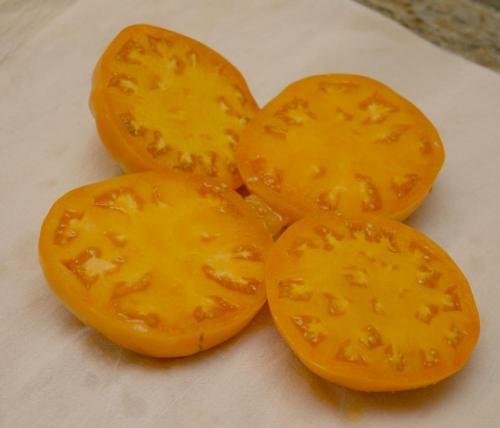
Orange tomatoes bred for higher carotene (from the "beta" gene rather than a "tangerine" gene) offer more vitamin A. Look for varieties with emphasis on nutrition when reading descriptions.
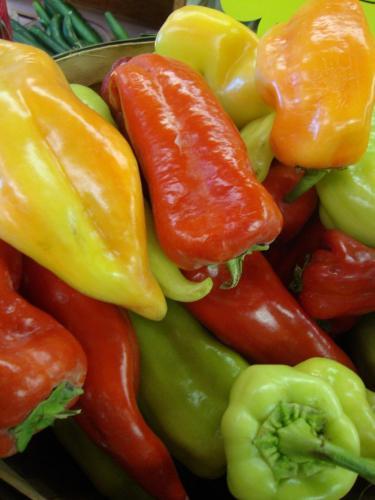
Ripe peppers are nutritional powerhouses, containing three times the vitamin C of citrus. Yellow and red peppers are richest in vitamin C. Determinate tomatoes and peppers selected for smaller, more frequent harvests can concentrate nutrients.
Winter Squash and Dark Leafy Greens
Winter squash, especially Cucurbita maxima types like buttercups, are excellent sources of vitamin A. Look for deep orange or dark green flesh. Dark leafy greens like kale and mustard greens deliver loads of vitamins, minerals, and antioxidants with few calories.
Colorful Varieties
Color often signals phytonutrients and antioxidants. Red and purple tomatoes, orange carrots, blue potatoes, and deeply colored leafy greens offer different nutritional profiles than their pale cousins. Trying a range of colors ensures nutritional diversity in your diet.

Choosing for Disease Resistance and Regional Adaptation
Understanding Disease-Resistance Codes
Modern varieties often carry codes indicating resistance to specific diseases. Common abbreviations include:
- PM: Powdery mildew
- EB: Early blight (tomato)
- LB: Late blight (tomato)
- VC: Verticillium and Fusarium wilt
- DM: Downy mildew
- ALS: Angular leaf spot (cucumber)
If a disease has plagued your garden, look for varieties carrying the corresponding resistance code. This is one of the most practical ways to choose varieties.
Regional Adaptation and Local Knowledge
The best variety for your garden depends on your specific region, microclimate, and growing conditions. A variety that thrives in the Pacific Northwest may struggle in Texas heat. A Southern heirloom may not mature in a short northern season.
Learn from local gardeners. Check with your county cooperative extension service for variety recommendations tested in your region. Many state universities conduct field trials and publish results. Some states have official awards for high-performing annuals, perennials, and vegetables tested locally.
Award Programs and Trial Results
Award programs help separate the genuinely superior performers from the merely hyped. Different programs have different standards, but they share a common goal: helping gardeners find reliably high-performing varieties.
All-America Selections (AAS)
The All-America Selections program has been trialing annual flowers and vegetables for nearly 70 years. Breeders enter their most promising varieties, which are then grown at 47 trial locations across the United States and Canada. Winners are judged on flower power, trouble tolerance, unique features, and fragrance.
AAS winners are meaningful signals because they've been tested independently at multiple locations and judged on actual performance. The label "AAS Winner" is worth paying attention to.
University and Regional Trials
Many states and universities conduct their own field trials of vegetables and flowers, often in partnership with horticulturists. These trials are less publicized than AAS but offer valuable local insights. North Carolina State University, Texas A&M, Colorado State University, and many other land-grant universities publish trial results. Some state programs award high-performing varieties Gold Medal, Award of Merit, or similar designations.
These regional winners matter because they've been tested in your climate, by people familiar with your soil and weather.
Perennial Plant Association (PPA) and Specialty Societies
The Perennial Plant Association recognizes perennials that perform well across a wide range of soils and climates. American Iris Society, American Hemerocallis Society, American Rose Society, and other specialty societies maintain lists of members' favorite and award-winning varieties.
Award-winning perennials and specialty plants have stood the test of time. An award-winning rose, daylily, or coneflower from three or five years ago is likely still available and still performing well.
Learn From Expert Gardeners
Some of the best advice comes from vegetable gardeners who grow and compare varieties year after year. Seed-company owners and founders are passionate about their crops. They've trialed hundreds of varieties in their own gardens and know which ones deliver under real-world conditions.
When evaluating expert recommendations, consider:
- Which region they garden in (their success may not translate to your climate)
- How they define "best" (early maturity? flavor? disease resistance? yield?)
- Whether their priorities match yours
An expert gardener in a short-season zone will recommend fast-maturing varieties; one in a warm climate will recommend heat-tolerant ones. An expert focused on farmers markets will prioritize yield; one focused on home cooking may prioritize flavor.
Decoding New-Variety Claims
Every year, seed companies introduce varieties claimed to be improved. Understanding what these claims really mean helps you decide whether to try something new or stick with proven varieties.
"Earlier" or "Earlier Maturing"
This is a genuine improvement if your growing season is short. A tomato that matures 10 days earlier than 'Early Girl' can mean the difference between a harvest and all-green fruits at frost.
"Disease Resistant"
Look at the specific disease codes. Disease resistance codes on labels are meaningful because they tell you the specific disease being resisted. However, resistance is not immunity. Resistant varieties can still contract disease under extreme conditions. Also, new strains of pathogens can eventually overcome single-gene resistance.
"Improved" or "Better"
This word is vague. Better than what? Better at yielding? Better at storing? Better tasting? Better looking? Look for specifics. A responsible company will explain what makes the variety improved.
"High-Yielding"
This is relative. Higher-yielding than what? Than an old standard? Than other new varieties? High yield matters if you have limited space and want maximum production. For gardeners with plenty of room, yield may be less important than flavor or uniqueness.
"Super Sweet" or "Extra Sweet"
Modern sweet corn has been bred to contain more sugar and to convert sugar to starch more slowly. Sugar-enhanced (SE) hybrids have increased sweetness. Shrunken (Sh2) varieties, sometimes labeled "supersweet," have even more sugar. These are real improvements if you want sweeter corn, but the trade-off is less vigorous germination in cool soil compared to standard sweet corn.
Make Your Choice and Try New Things
After understanding your growing conditions, plant types, and variety characteristics, the choice comes down to your gardening goals.
Want maximum yield in limited space? Choose high-yielding hybrids suited to your zone and season.
Want to save seed year after year? Stick with open-pollinated and heirloom varieties.
Want tried-and-true performers? Choose varieties with award recognition and decades of home-garden use.
Want to experiment? Pick one or two new varieties each year while planting mostly proven favorites.
Want superior nutrition? Look for varieties with enhanced nutrient content and grow a range of colors.
Want exceptional flavor? Seek out heirloom and specialty OP varieties suited to your climate, even if yields are lower.
The beauty of variety selection is that you can pursue all these goals simultaneously. Most gardeners plant some hybrids for reliable performance, some OP varieties for seed-saving and diversity, some award-winners for quality assurance, and a few experimental varieties to keep things interesting.
Related Reading
For detailed guidance on specific crops, visit our how-to-grow guides, such as the guides for tomatoes and peppers, which cover dozens of popular vegetables, fruits, and flowers.
- Seed Starting covers the mechanics of raising your chosen varieties from seed.
- Vegetable Gardening is our broader guide to planning and growing a productive vegetable garden.
- Gardening and Health and Cooking With Garden Produce carry the nutrition thread from garden to table.
Resources
Your best resources for finding varieties suited to your region are your local cooperative extension service, state university trials, and experienced local gardeners. Seed catalogs, whether printed or online, remain essential tools for browsing, comparing, and ordering varieties. Seek out companies that provide detailed descriptions, honest information about drawbacks, responsive customer service, and satisfaction guarantees.
