

What makes dark leafy greens such powerhouses in the nutrition department? Not only are they packed with fiber, folate, vitamins C and K, and minerals like iron and calcium, they also contain carotenoids that act as antioxidants in our bodies. Research suggests these compounds may help protect against certain diseases. But best of all, greens taste delicious when picked at their tender best fresh from your home garden.
Greens are among the easiest crops to grow. If you are short on garden space, they are a perfect choice for container gardening. Many kinds of greens are quite cold hardy, giving you a harvest early in the season as well as late into the fall. But there are also heat-tolerant varieties that will thrive through the heat of summer, making it easy to grow greens from spring through fall.
To maximize the nutritional potential of these healthful greens, eat them along with a little dietary fat to increase your body's absorption of their carotenoids and vitamin K. Adding a teaspoon or two of olive or canola oil when cooking greens or using a salad dressing that contains some healthful fat will help you reap the biggest nutrition benefits.
What Counts as Greens
Greens fall into three main categories, each with different flavors and uses:
Salad Greens are mild-flavored, tender leaves eaten raw, often in mixes. These include lettuce, arugula, corn salad, and mesclun blends.
Cooking Greens have stronger, sometimes bitter flavors and are best cooked or steamed. This group includes collards, kale, mustard, Swiss chard, and some Asian greens.
Specialty Greens add color and unique flavors to both salads and cooked dishes. These include radicchio, dandelion, endive, escarole, and various Italian and Asian varieties.
Salad Greens
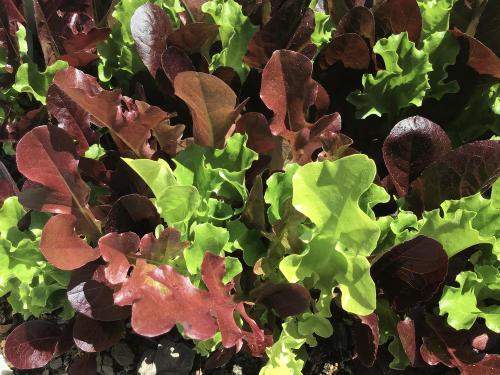
- Lettuces (Lactuca sativa)
- Uploaded by gardenfish
Lettuce remains the most popular salad green, offering many varieties suited to different seasons. For the most nutrition, grow deep green lettuce varieties like loose-leaf and romaine. Choose heat-tolerant varieties for summer growing and cold-tolerant ones for spring and fall crops. Make successive sowings every few weeks for a season-long harvest. Pick the outer leaves, leaving the center leaves to grow, or cut plants about an inch from the ground, give the stumps a dose of soluble fertilizer, and enjoy a second harvest about a month later.
Learn more specifics about growing lettuce in the Lettuce growing guide.
Arugula (also called rocket salad) is a fast-growing green with a spicy, nutty taste. In just 20 days after sowing you can harvest baby greens; for a full head wait another 10 to 15 days. Sow seeds as soon as the ground can be worked. Arugula can withstand light frost and the flavor is mildest when the plant matures in cool weather. When weather warms, the flavor becomes overly strong. Begin planting again in late summer and fall for a second tasty harvest. Heat-tolerant varieties like 'Astro' extend the spring and fall seasons.
Corn Salad (Mache) is a low-growing European green with spoon-shaped leaves and a mild, nutty taste. Ready to harvest 50 days after seeding, the leaves can survive freezing and remain edible. Mache can be used in salads or steamed like kale. Sow successive crops from late summer through fall for winter harvests. It is one of the hardiest greens and can survive sub-zero temperatures.
Mesclun and Specialty Mixes are blends of lettuce, arugula, kale, chard, beet, and Asian greens. Depending on the blend, the mix may be mild or spicy. The beauty of mesclun mix is that you can sow seeds as soon as the ground can be worked, with the first harvest 30 days later. Since you begin harvest when the greens are 4 inches tall there is no need to thin the seedlings. Sow successive crops every few weeks to have a continual supply. Mild blends usually include lettuce, mizuna, tatsoi, kale, and mache. Tangy or spicy mesclun mixes are a blend of sharper-flavored greens, such as arugula, endive, pac choi, and mustards.
Other Salad Greens worth trying include chicory, endive, escarole, and radicchio. These European greens are known for their distinct flavor and texture. While you can grow them to full size in 60 to 100 days depending on the variety, you can harvest baby greens as soon as 45 days after seeding. If picking young greens for salads, thin seedlings to 8 inches apart. For blanched heads with milder flavor, cover maturing heads with a flower pot or tie outer leaves over the center.
Cooking Greens
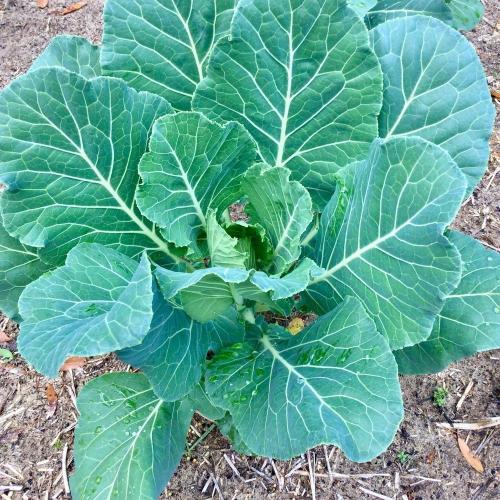
Collards and Kale are the least fussy greens in the cabbage family. These two brassicas can be grown anywhere in the country at some time of the year because they thrive and are most delicious when temperatures are too cold for other vegetables. Their prime value to gardeners is that these highly nutritious greens are at their best during the cool seasons.
In fact, collards and kale taste sweeter after exposure to cool or cold weather, as cool conditions change starches in the leaves to sugars and alter protein flavor compounds.
For growing details and variety recommendations, see the Brassicas guide which covers kale, collards, cabbage, and broccoli together.
Mustard Greens are loaded with vitamins and antioxidants, making them one of the most healthful crops you can grow. Fast-growing, mustard does well in cool weather but will also tolerate some heat. When picked young, the flavor is less piquant than mature leaves. Make successive sowings so you have a continuous supply of tender leaves. Varieties like 'Southern Giant Curled' and 'Red Giant' are vigorous and colorful.
Swiss Chard is a beet relative that thrives in cool growing conditions of spring and fall but is also tolerant of warmer weather, making it a good choice as a summer crop in many parts of the country. It produces large, colorful leaves (varieties feature white, red, yellow, or pink ribs) on long stems. Harvest the outer leaves and the plant will continue producing. New leaves emerge regularly for extended harvests.
See the Swiss Chard guide for complete growing information.
Asian Greens
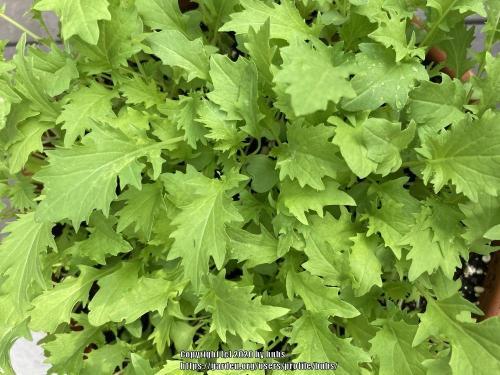
The beauty of Asian greens is they are quick and easy to grow in the garden or containers and they are very productive. You will not need much space to grow crop after crop of Asian greens to keep you stir-frying, soup stirring, and salad making all season long. Flavors and textures vary depending on the green, from sharp and crunchy to mild and delicate. Many greens are loaded with vitamins and antioxidants.
Asian greens fall into three groups based on what part you primarily harvest:
Leaf-Type Greens include mizuna (featuring sharply serrated leaves in green or purple with a lightly peppery addition to salads) and mibuna (similar with spoon-shaped rosettes). Another common rosette-shaped green is tat soi, which has thicker leaves making it great for soups. Mustard varieties like 'Osaka Purple' and 'Red Giant' grow well and taste better when allowed to be touched by cold weather.
Stem-Type Greens are dominated by Chinese (Napa) cabbages and bok choi. Chinese cabbages feature barrel-shaped heads with tightly packed, lettuce-like leaves. Bok choi (also spelled pak choi or pac choi) has thick, white, succulent stems and dark green leaves. The mild-flavored, crunchy stems are good in dips. These are commonly used cooked whole or halved in soups or stir-fries.
Flower-Bud Types include Chinese kale (choi sum or gai laan). Like Italian broccoli raab, this vegetable is harvested with its stem, leaves, and flowers and is used in sautees and stir-fries. The flavor is stronger than broccoli, but like most greens, cool weather tempers the taste.
Asian greens thrive when they grow and mature during cool weather. Most are best grown directly from seed sown in the garden. Some, like Chinese cabbage, can be started indoors and transplanted out as seedlings to get a jump on the season.
Begin planting a few weeks before the last frost date and continue sowing every few weeks until the weather gets too hot (above 70 degrees F). Begin planting again in late summer or early fall to mature when temperatures are below 70 degrees F. Some Asian greens, such as mustard and gai laan, can withstand light frost and keep producing into winter, especially if they are protected with a floating row cover.
Italian and Specialty Greens
Radicchio is a classic Italian cool-weather green that can be eaten as a leaf crop like lettuce, but is more commonly grown and harvested when it forms a tight ball like a cabbage. Its red leaves and white leaf veins give it a striking appearance raw or cooked. If picked while the weather is cool, radicchio has a sweet, nutty flavor and crunchy texture. If allowed to grow during warm weather the flavor turns more bitter.
Radicchio needs consistent cool temperatures to produce the best heads. Plant in spring for a summer harvest in cool climates or in summer for a fall harvest. In milder climates radicchio is often planted in fall and harvested early the next spring. Prepare the soil as you would for head lettuce and amend with compost. Grow as you would lettuce, keeping the soil evenly moist, as dry soil promotes bitter flavor.
Harvest radicchio when the heads feel firm when squeezed. Cut the head from the base of the plant. Radicchio tastes best shredded raw in salads with olive oil and vinegar, baked, grilled, or roasted.
Dandelion Greens are best eaten as young greens in spring, when the whole dandelion plant can be eaten. The greens have a slightly bitter flavor and can be mixed in salads, sauteed, or cooked. Flowers can be made into wine and roots roasted. Forage for wild dandelion greens in fields and lawns untreated with herbicides. For a cultured crop, plant perennials as you would lettuce. Harvest individual leaves or the whole dandelion plant when leaves are less than 10 inches long and still tender.
Endive, Escarole, and Puntarella have strong, often bitter flavors. Blanching mellows them to create milder taste. These cool-season greens have either curly green leaves (endive) or flat, broad leaves (escarole) depending on the variety. Grow as you would lettuce, timing your planting so heads mature during cool weather. When the outer leaves are 5 inches tall, blanch heads by covering them with a flower pot or tying the outer leaves over the center of the plant. The center of the head will form pale yellow leaves. In 2 to 3 weeks, remove the pot or outer leaves and cut the head. These greens are commonly used in salads, soups, and stews.
Puntarella is a Catalogna chicory grown for its pointy, dandelion-like, dark green leaves with a slightly bitter, asparagus-like flavor. Harvest the young, white leaf stalks when they are 12 inches long.
Florence Fennel (also called bulb fennel) has ferny leaves and a white swollen bulb at the base. If you love the taste of licorice, then you will love this. The 2-foot tall plant has a crunchy, refreshing texture. While the leaves are edible, the bulb is what is commonly used chopped in salads, grilled, steamed, or roasted.
Fennel grows best in cool weather and takes more than two months to mature. If grown during periods of hot weather or if water-stressed, fennel will bolt and not form a large bulb. Sow seeds in spring around the last frost date in well-drained, raised beds of sandy loam soil, spacing 4 inches apart. Thin to 8 inches apart when plants are 4 inches tall. Mulch to keep the soil cool and moist. When the bulb is 2 inches wide, mound soil around the base to blanch it, creating a milder flavored bulb. Harvest when bulbs are 3 inches wide.
Cardoon is similar to globe artichoke but easier to grow. Unlike the artichoke's edible flower buds, cardoon is prized for its fleshy, celery-like stems and leaves. A few weeks before your last frost, transplant seedlings 2 feet apart in rows 4 feet apart in well-drained soil amended with compost.
Begin harvesting cardoon leaves when the plant is 2 feet tall. To blanch the leaves for a milder flavor, wrap newspaper around the plant to block sunlight. Blanch for 3 weeks to create the most tender stalks, then harvest by cutting the leaf stalks at the plant base. The stems and leaves can be cooked and eaten green for a strong artichoke flavor, or blanched for a paler color and mild, bittersweet flavor. Cardoon is best steamed, baked, added to soups, and even used in cheese fondue.
Growing Greens by Season
Spring Greens
In spring, the cool temperatures are ideal for many greens. Cold-hardy varieties can be direct-sown as soon as the ground can be worked. Unless you are growing the lettuce as a mesclun mix, thin the seedlings when they have 3 or 4 leaves, spacing plants 6 to 10 inches apart.
For an early spring start, use a cold frame or low tunnel (grow tunnel). These structures allow the soil to warm up and dry out faster than normal, adding weeks to the early spring growing season. Place a cold frame in a protected location that faces southeast or southwest. Amend the soil inside with compost as you would a raised bed and plant accordingly.
For a grow tunnel, once you have built and sown your raised bed, install wire hoops and clear plastic to cover the bed. Vent the sides and open on sunny days since temperatures can rise quickly in spring.
Harvest leaves as soon as they are at least 2 inches long. Pick individual leaves to create baby green salads or snip the young plants to the ground. Leave some plants, such as lettuce and spinach, to mature to full size for a larger harvest.
Summer Greens
While traditional cool-season greens such as spinach may not thrive in summer heat, mustard and Swiss chard can tolerate high temperatures. Choose heat-tolerant lettuce varieties that can be harvested when young and are less likely to struggle during periods of intense heat. Looseleaf varieties work better than head or romaine types during summer.
Since the sun is so hot during the middle of summer, provide some shade for your greens, especially in the afternoon. Plant them alongside tall crops, such as corn or tomatoes, or drape a shade cloth over the rows, keeping it well ventilated so the soil and seedlings do not overheat.
Since the soil is very hot in summer, many seeds will not germinate well when direct sown. Sow seeds indoors or on a shaded deck in pots and flats and transplant seedlings into the ground.
Keep the new plants well watered. Summer heat evaporates moisture quickly from the soil, and seedlings have small root systems and not much margin for error with water. Watering also cools the soil and plant leaves, encouraging better growth.
Cover the plants with a lightweight floating row cover to keep out insects. The tender seedlings are prime targets for aphids, whiteflies, and other bugs.
Harvest greens while they are still young. They will be tasty and tender and have less chance of being affected by the heat or insects.
Fall and Winter Greens
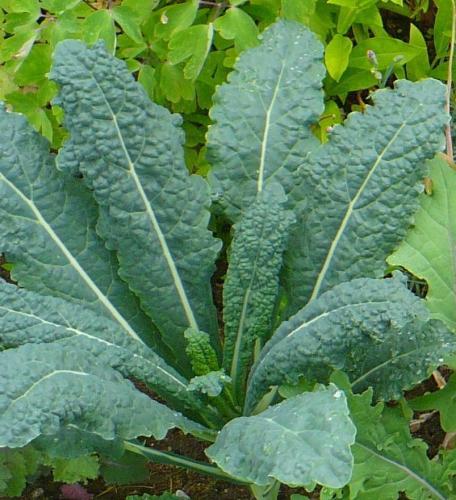
- Kale (Brassica oleracea 'Toscano')
- Uploaded by HemNorth
As the weather cools after a long, hot summer, it is time to plant all those delicious greens that thrive when temperatures moderate. Lettuce, spinach, arugula, corn salad, mustard, and a variety of Asian greens are all great choices for fall crops in many parts of the country.
The length of your fall growing season will depend on where in the country you garden. Gardeners in mild winter areas may even be able to grow successive plantings of greens throughout the fall and winter. Many greens tolerate some frost and will keep growing, sometimes even improving in quality, until quite late into the fall.
Hardy greens that tolerate 28 to 32 degree F temperatures include arugula, lettuce, spinach, corn salad, mustard, Swiss chard, and hardy Asian greens like mizuna and tat soi. Hardy kale and collards survive even frostier temperatures, down to the low 20s.
To figure when to plant for a late harvest, check the days to harvest listed on the seed packet. Count back from your desired harvest date, add another week to account for slower growth as days shorten, and you will arrive at your planting date. In short-season northern areas, choose varieties with the fewest number of days to harvest.
Spinach: Popeye's pick makes a great fall crop in most areas. Spinach relishes cooler weather, and decreasing daylengths do not trigger bolting. In cold winter areas, sow seeds about 8 weeks before hard frosts (below 28 degrees F) are due. Southern gardeners can usually harvest spinach through December or even later in the warmest areas. Make successive sowings every 2 to 3 weeks throughout the fall.
To get an extra-early harvest next spring, plant spinach seeds in the late fall, just before the ground freezes. The seeds will lie dormant over the winter and sprout as soon as conditions are right in spring. You may get a lower germination rate, depending on weather conditions, but if you are willing to take a chance, you can often enjoy an extra-early spinach harvest from fall-sown seeds.
Another technique for early spring harvest is to sow spinach seeds about 6 weeks before your expected fall frost. The plants will germinate and make a little growth. Before hard frost hits, cover baby plants with heavyweight row cover fabric and keep the protection on over the winter. Remove the covering in early spring as plants come back into active growth. This often gives you about a six-week jump on a spring-planted crop.
Arugula: Unlike spring-planted arugula, a fall crop will not bolt as readily and become bitter and unpalatable. Sow seeds every couple of weeks from late summer until about a month before hard frost. Give plants a steady supply of water for the best flavor.
Lettuce: Choose quick-maturing leaf and butterhead varieties. Begin planting in late summer and make successive sowings every couple of weeks, up until about 6 weeks before your hard frost date. If seeds are sown in a cold frame or under row covers, even northern gardeners may be able to add homegrown lettuce to holiday salads.
Butterhead-type lettuce varieties withstand cold weather better than other types. Cold-hardy varieties include 'North Pole', 'Arctic King', 'Winter Density', and the French heirloom 'Rouge d'Hiver' which features red leaves that deepen in color with cool temperatures.
Corn Salad (Mache): This mild-tasting green is one of the hardiest you can grow. Make successive sowings every 2 weeks up until around the time of the first frost date. Seeds may germinate slowly (10 to 14 days). You can harvest individual leaves or the entire plant by cutting it at ground level. You may get a second harvest from the cut stub. If given some protection, corn salad may be harvested into the winter. Plants may even overwinter for an extra-early spring crop.
Swiss Chard: In mild-winter areas such as the Deep South, Southwest, and southern California, nutritious chard can be sown in late summer and fall for late fall and winter harvest. Gardeners throughout the Southeast may harvest well into the winter if plants are protected by low tunnels or cold frames.
Mustard: Spice up salads with the peppery bite of easy-to-grow baby mustard greens. Plant in late summer to mid-fall, either in a cold frame or directly in the garden. Like arugula, mustards do not keep well after picking, so use them fresh.
Asian Greens: Mizuna is a mild Asian green with a slightly peppery taste that can be added to salads or stir-fries. Sow seeds of this hardy crop in late summer to early fall. Tat soi is another cold-hardy Asian green with a mild mustardy flavor and slightly crunchy texture. For fall crops, plant from midsummer up to about 5 weeks before your hard frost date.
Napa Chinese Cabbage: This tall, upright, mild-flavored cabbage generally does best as a fall crop in most parts of the country, when it is less likely to bolt quickly. Plant seeds from early August in cooler areas to September or October in mild winter climates, or about 8 to 12 weeks before your fall frost date.
Kale and Collards: These hardy crops shrug off frosty weather. To harvest at full maturity, sow seeds about 10 to 12 weeks before fall frost. To pick kale as baby greens for salads, sow seeds in succession from late summer to mid-fall, depending on your climate. Baby collard greens have a somewhat tougher texture that tastes best cooked in stir-fries or soups.
Other Hardy Greens: Claytonia (also called miner's lettuce) is one of the hardiest of the salad greens with small, delicate, succulent leaves and a very mild flavor. In cooler areas, sow seeds in early fall; if grown with cold frame protection, the harvest may continue through the winter. Minutina is a very cold-hardy green forming rosettes of slender, crunchy, green leaves that add interest to winter salads, along with edible flower buds. Even in cold climates, it will take some frost and often survive the winter with protection.
Preparing and Planting
Regardless of the greens you decide to grow, you will need to build up the soil prior to planting. Greens love a rich soil, so amend the bed where you will be planting with compost. Since soils may still be cool in early spring, as soon as the soil has dried out enough to work, build a raised bed. Raised beds are a good choice on all but sandy soils. Build the raised bed 8 to 10 inches high and no more than 3 feet wide. Flatten off the top and add a 1 to 2-inch-thick layer of finished compost to the bed before planting.
Keep the pH in the 6.0 to 7.0 range for best growth.
You can sow greens in rows or broadcast the seeds over the top of the raised bed. Cover the small seeds with potting soil or sand so they can germinate more easily. For cold weather loving greens such as arugula and kale, sow seeds as soon as the soil has dried out. For plants that you would like to grow into larger plants such as mustard and kale, thin the young seedlings (and eat them) so the plants are eventually spaced 6 to 10 inches apart.
Since you are harvesting the leaves, your greens will need plenty of nitrogen fertilizer to produce the most and healthiest leaves. Apply a soluble fertilizer every few weeks to keep them growing strong. Fish emulsion is a good option.
For all but mesclun greens, thin to the appropriate spacing. If you are sowing successive crops on the same bed, amend the soil between plantings with a 1/2-inch thick layer of compost.
Cover the bed with a floating row cover to keep the soil warm (in spring), prevent insects from attacking, and keep the bed moist. Keep the bed well weeded and watered. Soak the soil thoroughly when watering.
If frost threatens, cover the bed with a floating row cover or hotkap.
Container Growing
Even where space is limited, you can sow a mix of salad greens into a big container to create a colorful mesclun mix bowl that you can graze on for several months. See the Container Gardening Basics guide for detailed information.
For window box gardening of greens, use planters at least 8 inches deep with drainage holes. Fill with soilless potting mix enriched with compost. Following the directions on the seed packets, sow seeds as you would in the garden. Keep soil evenly moist and watch for seeds to germinate.
Seedlings will come up thickly; thin them the first time to stand 1 inch apart. You can either pluck them out individually or use scissors to snip seedlings at the soil surface. (Eat the thinnings of greens, your first unofficial harvest.)
Fertilize every two weeks, unless you used a slow-release fertilizer at planting time. Use a water-soluble formula, such as fish emulsion.
As your harvest of greens and other plants makes room in that container, prepare to grow another round. Work an inch of compost into the empty spots and sow more seed.
If you have enough space, add containers for other salad favorites, such as tomatoes and cucumbers (they need larger pots).
Watch out for squirrels, they like to dig in freshly disturbed soil. If they are a problem, cover your planters with wire mesh or fabric row covers.
Pest and Disease Management
Pests are rarely a problem in early spring plantings. However, if the weather is cool and wet, damping-off fungal disease can ruin a young crop. To prevent damping-off, grow crops on well-drained, light soil or cover the planting with a grow tunnel.
Flea beetles can eat shotgun-like holes in young leaves. Cover plants with a floating row cover to prevent this damage.
Asian greens are quick-growing and attractive to pests. Keep beds well watered and weeded, especially during early stages of growth. If the leaves are pale yellow colored, foliar feed the plants with fish emulsion. Keep an eye out for aphids. They love these quick-growing greens. Spray plants with insecticidal soap to control them.
Cabbage moths and cabbage worms are common on brassica greens including kale, collards, and mustard. Row covers prevent the moths from laying eggs. Once plants grow large and covers are removed, control the moth larvae with Bt (Bacillus thuringiensis). Slugs also favor greens. Control them by handpicking or with traps.
For general guidance on managing garden pests and diseases, see the Pest Control guide and Weed Control guide.
Harvest and Use
As soon as the true leaves form you can start harvesting your greens. For mesclun mixes and mizuna, cut off the greens at the soil line and they will regrow for another harvest. As you thin seedlings to their proper spacing, harvest the young plants for salads.
Hand pick the oldest leaves of your kale, mustard, collards, and other cooking greens to encourage the young leaves to keep growing. Start harvesting the outer leaves and the plant will continue producing.
For leaves of loose-leaf varieties, begin harvesting about 50 days after seeding.
The southern way to harvest collards and kale is to break off the larger leaves, but not the lowest ones, which tend to be tough, dirty, and yellowed. The rest of the plant continues to make more leaves for subsequent harvests.
To maximize the nutritional and flavor potential of these healthful greens, eat them fresh and use them within a few days of harvest. Collards and kale are best with minimal cooking, just long enough that they are tender but still a nice green color. Our favorite way to eat these greens is sauteed with garlic, onion, and herbs, seasoned with a few shakes of vinegar, and tossed with pasta and grated cheese.
For longer harvests and to extend the season into winter, see the Season Extension guide.
Beyond the Garden
For information on preserving greens and cooking with them, see the Vegetable Gardening guide. Learn more about specific crops in these specialty guides:
- Lettuce guide
- Spinach guide
- Brassicas guide (kale, collards, broccoli, cabbage)
- Chard guide
- Beets guide (for beet greens)
