


Growing cover crops is one of those proven soil-building practices that many gardeners know they should adopt but often don't find time to implement. Cover crops control erosion, attract pollinating insects, break up heavy soils, improve soil fertility and structure, and reduce weeds. Plus, some varieties, such as red clover, have edible flowers.
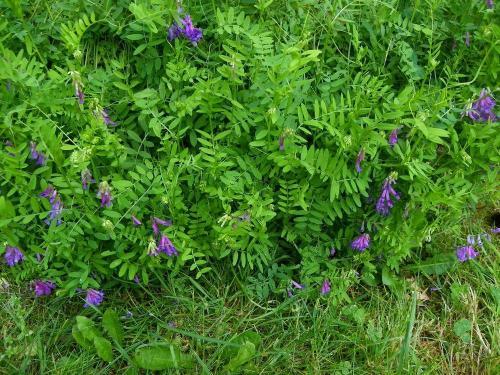
- Hairy Vetch (Vicia villosa)
- Uploaded by Newyorkrita
As gardeners increasingly look for ways to build soil without importing compost or other amendments, cover crops offer an especially attractive solution. They allow you to grow your own organic matter on site and create a more closed loop of energy inputs, eliminating the fossil fuels needed to transport materials.
What Are Cover Crops and Green Manures?
Cover crops and green manures are sometimes used interchangeably, but the terms have distinct meanings. A cover crop is a general term for any plant grown to prevent erosion, improve soil structure, and maintain or build soil fertility. Cover crops are typically overwintering varieties grown in fall and tilled under in late winter or spring.
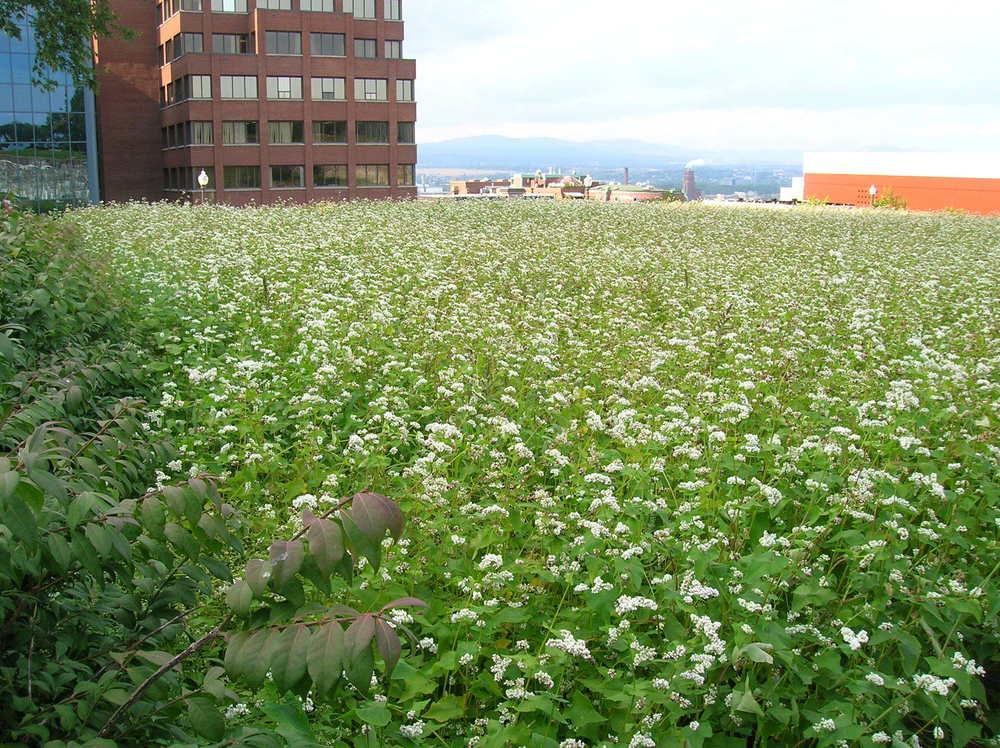
A green manure is a crop grown specifically to add nutrients to the soil and turned under while still green, usually during the growing season rather than winter. Buckwheat is a classic green manure crop.
Once considered only for farms and market gardens, cover crops are now grown in all types of home gardens: they don't require heavy farm equipment, and they deliver multiple soil-building benefits at once.
Benefits of Cover Crops
Cover crops provide a suite of advantages beyond adding organic matter. Here are the key benefits:
Adding Organic Matter
A primary reason to grow a cover crop is to increase the amount of organic matter in the soil. Additional organic matter improves soil structure, increases water retention and drainage, and improves aeration. It also provides necessary food for earthworms and microorganisms that increase biological activity in the soil. Increased biological activity helps keep the soil healthy by enhancing decomposition; well-nourished beneficial microorganisms also compete better against disease-causing organisms.
Controlling Erosion
Traditionally, an important reason to use cover crops was to "cover" the soil during winter. Hardy crops such as winter rye are particularly effective at preventing erosion and topsoil loss, especially in areas with high winds and inconsistent snow cover.
Loosening Compacted Soil
Certain cover crops, such as bell beans and oilseed radishes, have aggressive taproots sometimes reaching 3 feet deep, which help break up compacted soils. These taproots also "mine" nutrients such as calcium from deeper soil, and when the plant dies, the nutrients are released in the root zone for the next crop.
Balancing Nutrients
Legume cover crops such as hairy vetch and crimson clover convert atmospheric nitrogen into a form plants can use through a symbiotic relationship with rhizobia bacteria on their roots. When the cover crop is tilled under, the nitrogen is released for the next crop. In contrast, cover crops such as phacelia absorb and accumulate excess nitrogen already in the soil that may otherwise leach out and pollute groundwater or nearby streams.
Controlling Weeds
Some cover crops shade and smother weeds with vigorous growth. Broad-leaved crops like buckwheat and sunn hemp are particularly good weed suppressors. Others, like winter rye, release chemicals that inhibit weed seed germination.
Attracting Beneficial Insects
When cover crops such as crimson clover and mustard are allowed to flower, they attract bees and beneficial insects that help with pollination and pest control in the garden.
When to Plant Cover Crops
In September, most gardeners can plant overwintering cover crops. In warm-winter areas such as USDA Hardiness Zones 8 and warmer, you have time to plant and till under a green manure crop before planting a winter cover crop.
Correct Sowing Dates
Sow seeds at least 30 days before your first expected fall frost date. For cover crops that are only marginally hardy in your area, push back the sowing date to 60 days before the first frost. The more established a cover crop is before winter, the more likely it will overwinter successfully.
Two Planting Approaches
You can plant cover crops in two ways, depending on your other plantings:
- Sow seeds after you harvest earlier crops (lettuce, beans, or tomatoes)
- Plant low-growing cover crops between rows of fall-planted crops such as broccoli or spinach
Getting Started with Cover Crops
Soil Preparation
Don't skimp on soil preparation. Prepare the soil as you would for any other annual crop. Till the area and make sure the pH is between 6 and 7. Broadcast seed at the recommended rates. On drier, sandy soil, plant seeds three times as deep as the seed's width; on heavier soil, plant twice as deep as the width. Water garden beds if necessary to help establish the crop.
Inoculating Legume Seeds
Prior to planting, inoculate the seeds of legume cover crops with nitrogen-fixing bacteria (available from cover crop seed suppliers). This ensures optimal nitrogen fixation once the plants are established.
Choosing the Right Cover Crop
To decide which cover crop to grow, consider your region, the soil's needs, your tools, and your space constraints. To help novice gardeners, many seed companies sell mixes of grasses and legumes (a hardy vetch-and-rye blend for cold winters, for example, or a bell bean, winter pea, vetch, and oat mix for milder areas). Planting a mix is the easiest way to sow cover crops.
Cover Crop Species
For most home gardeners, annual cover crops are the best choices. Sow annuals in fall, and they either die from the winter cold or naturally complete their life cycle by spring. Perennial cover crops such as alfalfa and red clover require more maintenance and are best used as permanent ground covers in orchards and vineyards.
Hardy Legumes
Hardy legumes increase soil nitrogen and organic matter. After a slow fall start, they grow rapidly in March and April and may not mature until May in some regions. Mow these cover crops in spring at or before flowering, then till them under.
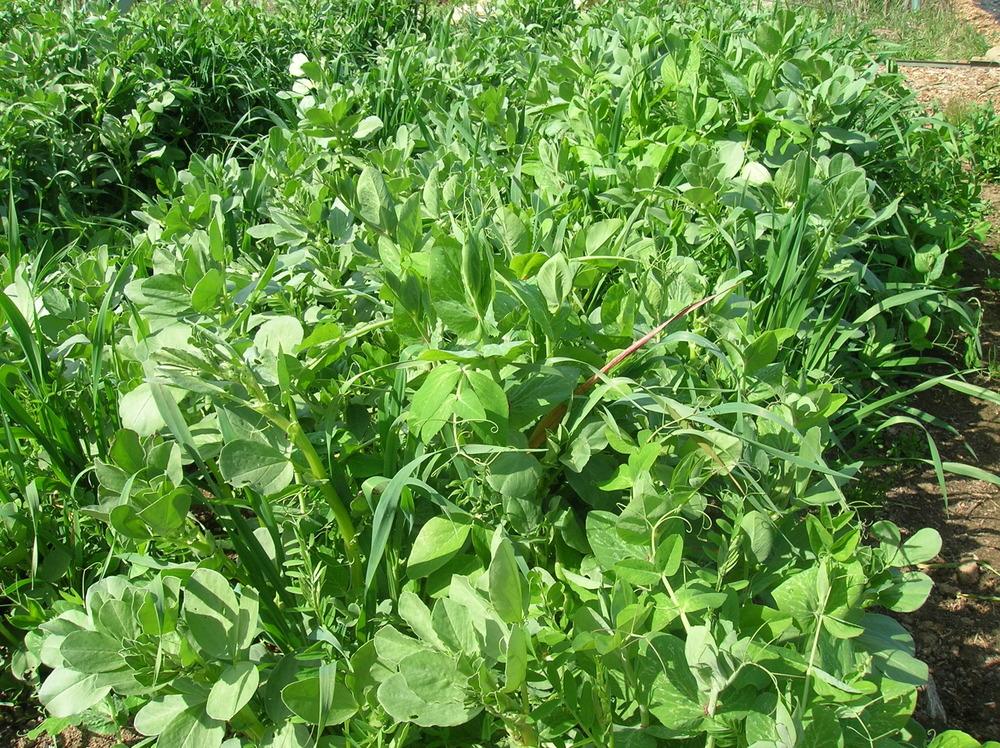
Field pea (Pisum sativum). Grows 6 inches to 5 feet high; hardy to 10 to 20° F. 'Austrian Winter' pea is low growing and late maturing. 'Magnus' grows to 5 feet. Sow 2 to 4 pounds per 1,000 square feet.
Berseem clover (Trifolium alexandrinum). Grows 1 to 2 feet high; hardy to 20° F. Will regrow after cutting and produces high amounts of nitrogen. Sow 2 pounds per 1,000 square feet.
Crimson clover (T. incarnatum). Grows 18 inches high; hardy to 10° F. Matures late and fixes less nitrogen than other clovers. Attracts bees. Sow 1/2 to 2 pounds per 1,000 square feet. If allowed to go to seed, can become weedy.
Dutch white clover (T. repens). Grows 6 to 8 inches high; hardy to -20° F. Perennial and shade tolerant so may become weedy. Sow 1/2 to 1 pound per 1,000 square feet.
Hairy vetch (Vicia villosa). Grows to 2 feet high; hardy to -15° F. The hardiest annual legume, tolerates poor soil and matures late. Sow 1 to 2 pounds per 1,000 square feet.
Fava beans (V. faba). Grows 3 to 8 feet high; hardy to 15° F. Bell bean is a shorter (3-foot) relative. Sow 2 to 5 pounds per 1,000 square feet.
Tropical Legumes
The tropical legumes below grow quickly in fall to increase soil nitrogen and add abundant organic matter, but need warm growing conditions. Plant in late summer or early fall in the Southeast and Southwest before winter cover crops. These are best grown as summer annuals in the North.
Sunn hemp (Crotalaria juncea). Grows 5 to 6 feet high; hardy to 28° F. Needs the same growing conditions as corn. Cut or mow before stems become woody. Can also reduce nematodes. Sow 1 to 2 pounds per 1,000 square feet.
Sesbania (Sesbania herbacea, formerly S. macrocarpa). Grows 6 to 8 feet high; hardy to 32° F. Grows like sunn hemp but is more tolerant of flooding, drought, salinity, and low fertility. Sow 1 pound per 1,000 square feet.
Cowpea (Vigna unguiculata, formerly V. sinensis). Grows 1 to 2 feet high; hardy to 32° F. Tolerates poor and acidic soils and prefers humidity while tolerating drought. Sow 2 to 3 pounds per 1,000 square feet.
Grasses
Grasses grow quickly, tolerate cold, increase organic matter, and improve the structure of compacted soils. They control erosion but don't increase nitrogen. Mow these annual grass cover crops in spring before seeds set, or till under.
Oats (Avena sativa). Grows 2 to 3 feet tall; hardy to 10 to 20° F. Produces the least organic matter of grasses but tolerates wet soils. Sow 2 pounds per 1,000 square feet.
Barley (Hordeum vulgare). Grows 2 to 3 feet tall; hardy 0 to 10° F. Fast maturing and tolerant of dry and saline soils; intolerant of acidic soil. Sow 2 to 3 pounds per 1,000 square feet.
Annual ryegrass (Lolium multiflorum). Grows 2 to 3 feet high; hardy to -20° F. Fast growing and tolerates flooding. Absorbs excess nitrogen from soil. Can become weedy. Sow 1/2 to 2 pounds per 1,000 square feet. Annual ryegrass is also a good choice to plant between rows of crops; in cold-weather areas it may naturally die back in winter, making it easy to till under in spring.
Winter rye (Secale cereale). Grows 4 to 5 feet tall; hardy to -30° F. The best grass for cold winter climates; tolerant of low fertility and acidic soils. Sow 2 to 3 pounds per 1,000 square feet.
Other Cover Crops
Annual cover crops such as buckwheat, mustard, and phacelia aren't ordinarily considered fall crops. They increase organic matter but not nitrogen.
Buckwheat (Fagopyrum esculentum). Grows 1 to 3 feet tall; hardy to 32° F. A fast-growing warm-season crop that grows in summer in the North and fall in the South. Its white flowers attract bees and the plant shades and smothers weeds. Sow 3 pounds per 1,000 square feet.
Brown or black mustard (Brassica species). Grows 1 to 3 feet high; hardy to 0° F. Has a strong taproot that mines minerals but can become a pest. Attracts bees. Sow 1 pound per 1,000 square feet.
Phacelia (P. tanacetifolia). Grows 2 to 3 feet tall; hardy to 20° F. A fast-growing succulent plant that absorbs excess nitrogen and calcium in soils. Attracts bees. Sow 1/4 pound per 1,000 square feet.
Oilseed radish (Raphanus sativus). Grows 2 to 3 feet tall; hardy to 20° F. Grows fast with a strong taproot. Kills nematodes when tilled into soil, but may harbor Brassica-family diseases. Sow 2 pounds per 1,000 square feet.
Incorporating Cover Crops: Tilling and No-Till Approaches
Traditional Tilling Method
The most common approach is to incorporate overwintering cover crops into the soil at or before full bloom in spring. For crops that put on heavy top growth, such as hairy vetch, cut or mow them before tilling to make the work easier. Gardeners can then either till the mowed tops into the soil or use them as mulch around other plants or in the compost bin.
To gain maximum benefits from nitrogen fixation and organic matter, you should turn cover crops under in spring at least two weeks before planting. However, if crops aren't fully decomposed by planting time, plants may experience a temporary nitrogen deficiency as microbes use soil nitrogen to break down the organic matter. Certain cover crops that die over winter, such as oats and mustard in the Northeast, still protect soil somewhat with their root systems even if not tilled in.
No-Till Approach for Small and Raised Beds
For gardeners using raised beds or those who prefer to avoid tilling, cover crops can still provide significant benefits without turning the soil. This approach is especially valuable because it preserves the natural ecosystem of soil life that develops in beds left unturned each season.
Winter-Killed Cover Crops
In cold winter areas, grow cover crops that naturally die in winter, such as spring oats, field peas, mustard, and barley. Plant these in late summer or fall, and they will eventually die. The roots help hold the soil in place and the dead plant material remains on top of the bed all winter.
In spring, simply apply a layer of compost over the dead greens and then plant your vegetables or flowers. The compost holds the dead plant material in place while it gradually breaks down, adding organic matter to the soil over time.
Green Manures and Succession Planting
Green manures can be incorporated into small beds using succession planting. One effective technique is to:
- Plant greens, peas, or root crops in spring
- Harvest them by midsummer
- Sow buckwheat as a green manure
- Chop down the buckwheat right before flowering (when it has maximum organic matter) and leave the mulch of dead tops on the bed
- Add a layer of compost to hold it in place over winter
Alternatively, sow a green manure in spring, cut it down in summer, add compost, and plant a fall crop of kale, parsley, and spinach in the same bed.
By creating a rotational schedule of planting cover crops in fall or green manures in summer, gardeners can continuously build soil fertility without dedicating entire beds to cover crops. This approach also builds soil life by avoiding annual tilling.
Considerations and Challenges
While cover crops offer significant benefits, gardeners should be aware of some challenges:
Delayed Planting
Cover crops must be turned under in spring at least two weeks before planting. This requirement may delay your usual planting time in wet springs or if you're growing late-maturing varieties. Additionally, if tilled-in crops haven't decomposed by planting time, plants may experience temporary nitrogen deficiency.
Water Requirements
In dry areas such as the Southwest, cover crops consume vital moisture from the soil, especially when getting established. In such situations, choose a crop such as barley that needs minimal water to germinate and grows well in dry soils.
Seed-Setting Risks
If you allow certain cover crops (annual ryegrass is one) to go to seed, they can become weeds. To derive maximum benefits and prevent reseeding, till them under at or before flowering.
Equipment Needs
To gain the most benefits from heavy-growth cover crops, you need adequate equipment to incorporate them. Gardeners without powerful mowers or tillers may find it easier to grow lighter-duty cover crops or those that naturally winter-kill in their area.
Related Resources
For additional information on related soil-building topics, see:
- Healthy Soil: Building Structure, Life, and Fertility covers what healthy soil looks like and how to build and maintain it
- Soil Amendments: What to Add and Why details amendment options including fertilizers and biological products
- Composting: Build Your Own Black Gold explains how to turn plant and food waste into rich compost
- How to Prepare a New Garden Bed guides you through preparing beds for planting
- Fall Garden Care: A Seasonal Guide covers the full autumn gardening checklist
Learn more about specialty crops in the companion articles Unusual Legumes and Why and How to Grow Soybeans.
